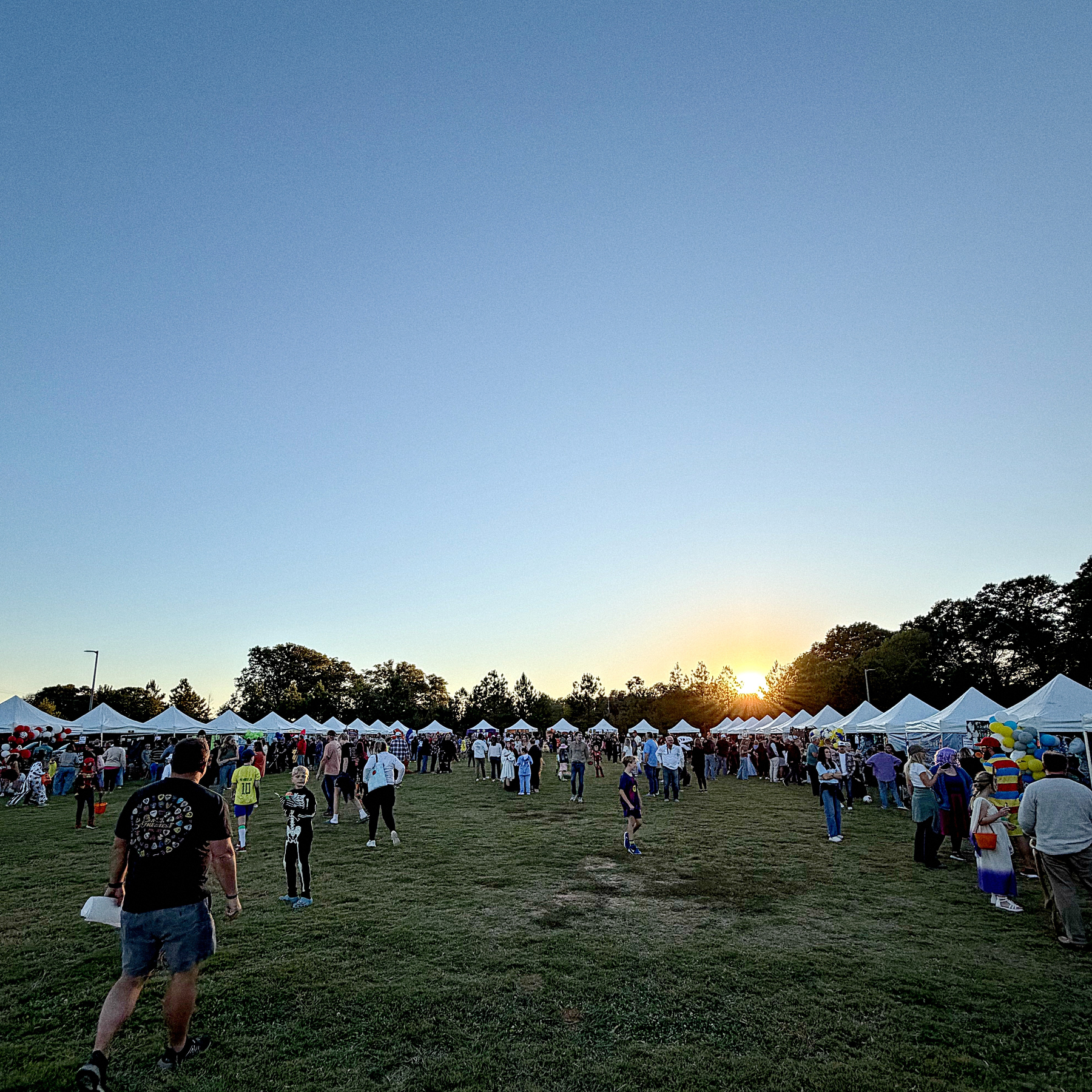
Massive trunk-or-treat at my wife’s school. 🎃
I’ve always loved photography.
Massive trunk-or-treat at my wife’s school. 🎃
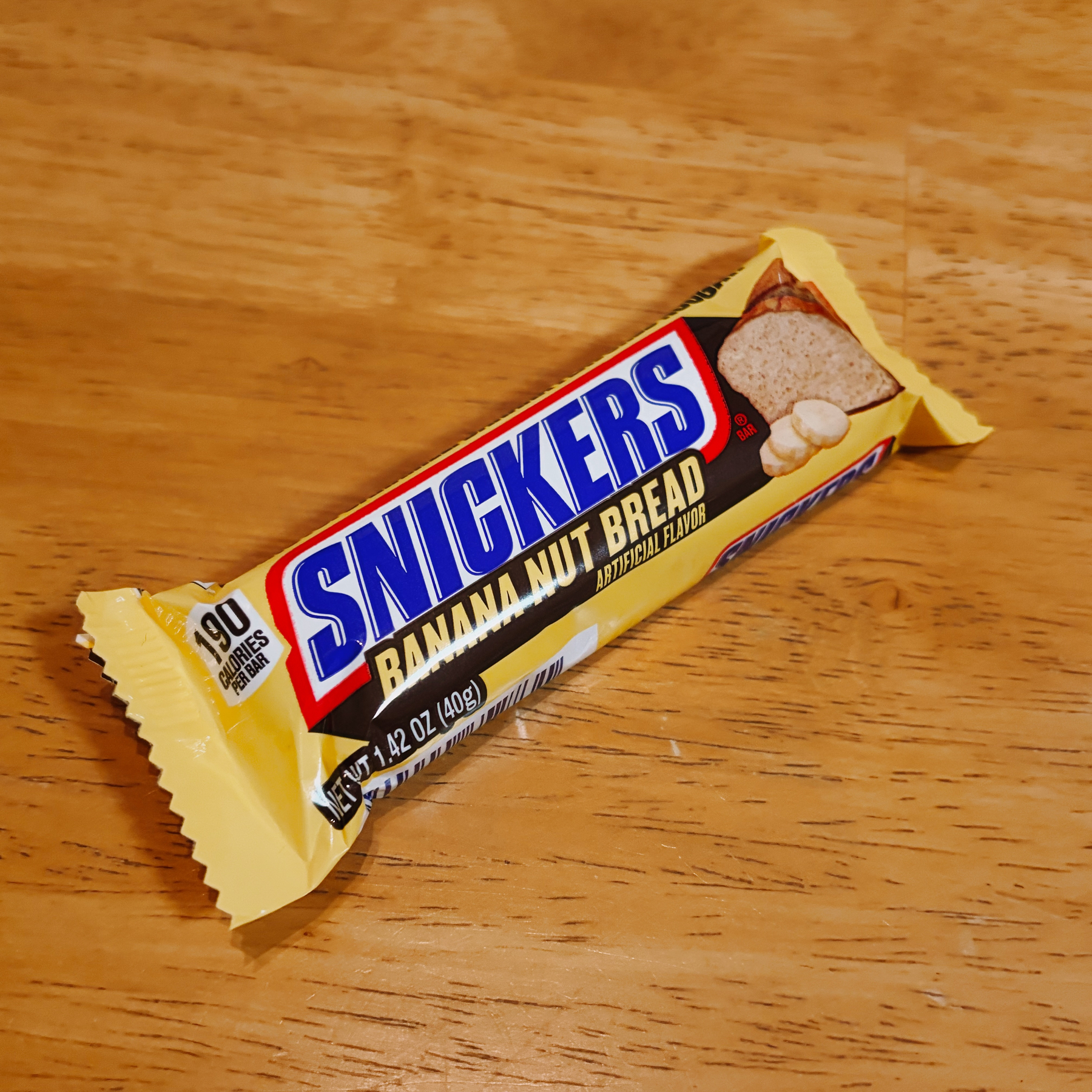
I like Snickers. I like Banana Nut Bread. I like limited edition candy. We’ll see if I like this.
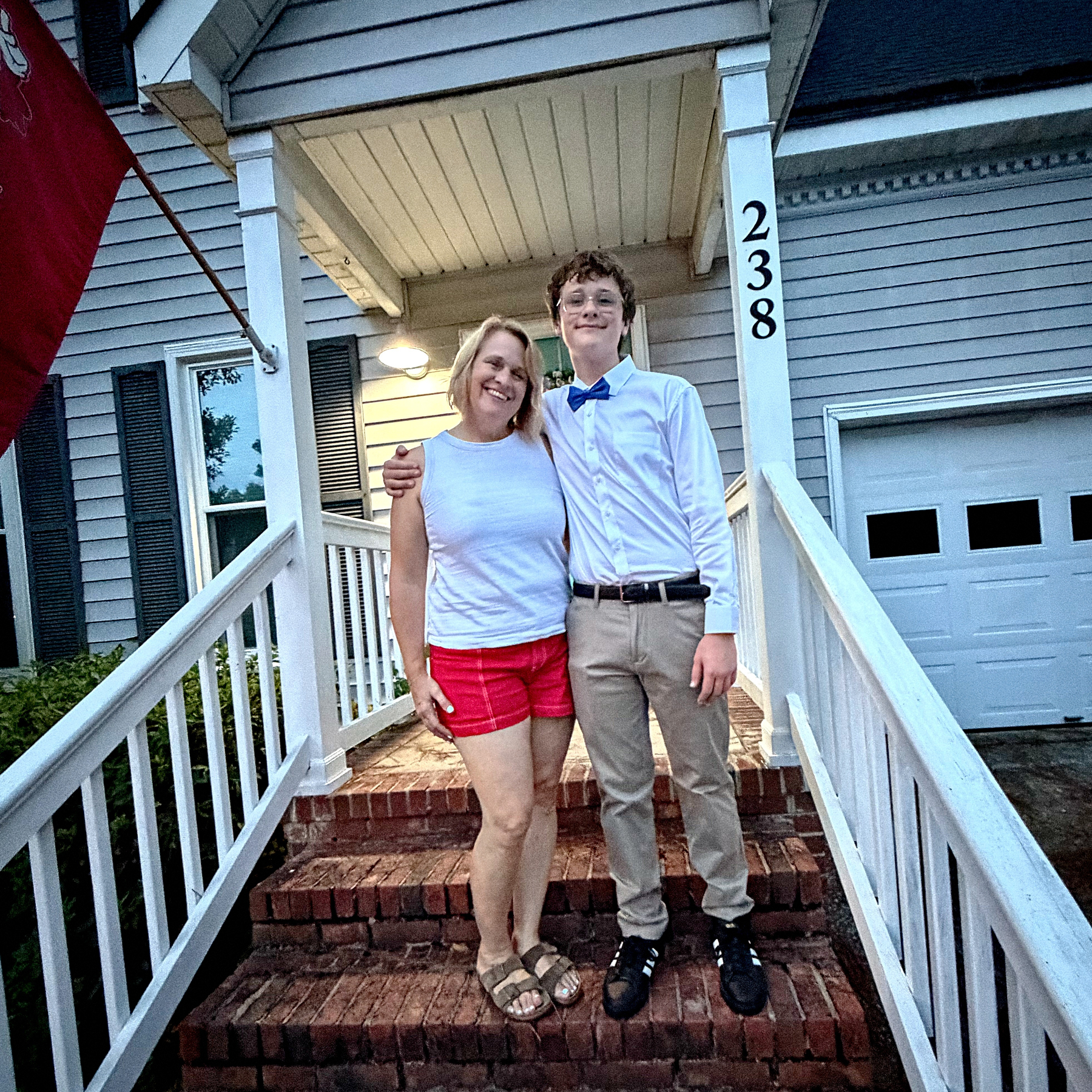
Ryan went to his first Homecoming dance tonight.
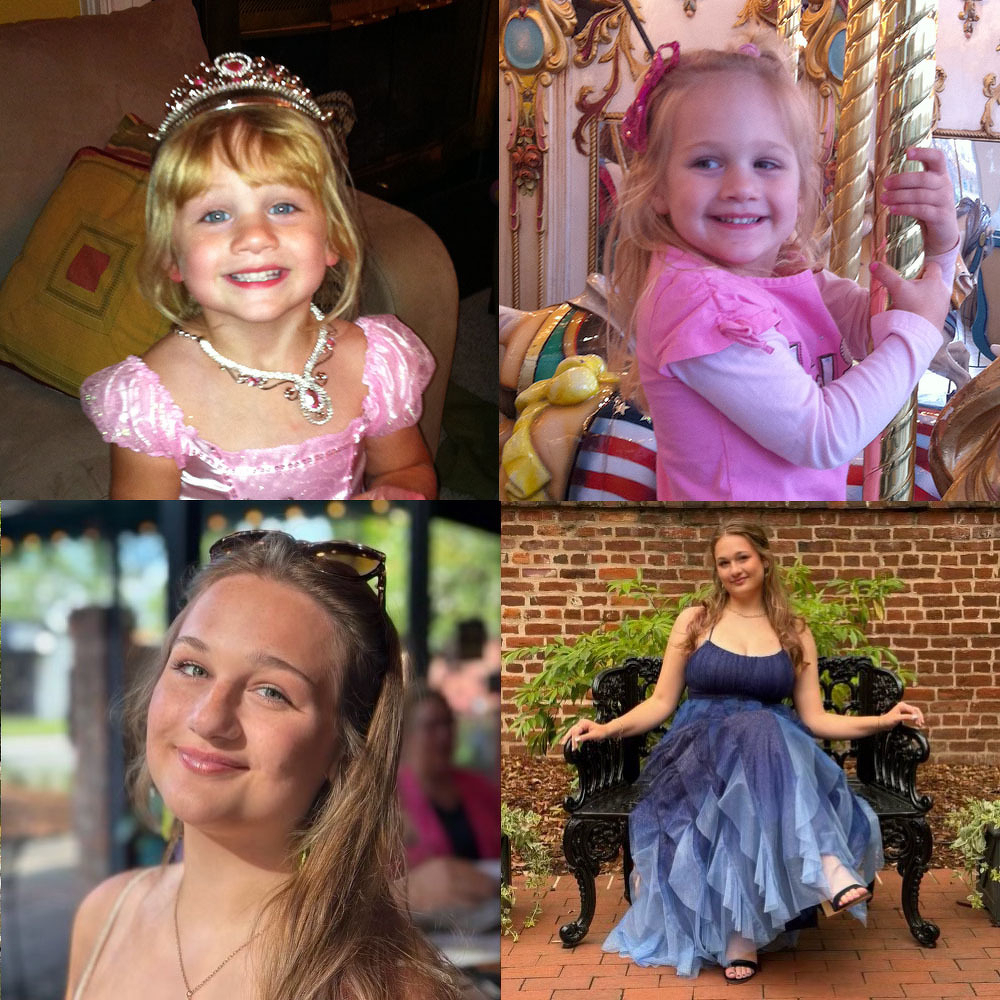
Nineteen! Happy birthday, Jilly!
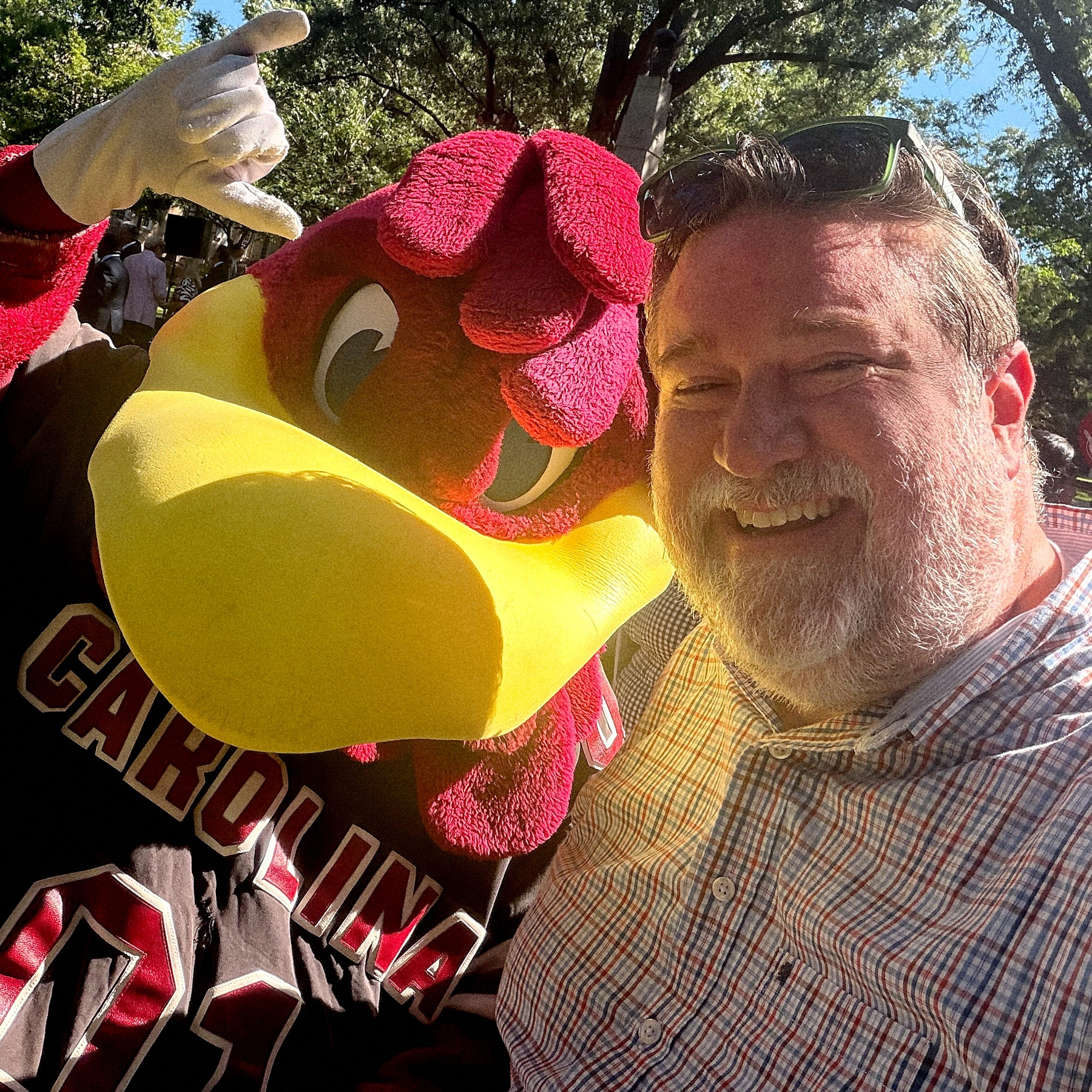
Got my annual selfie with Cocky at the State of the University Address.
Made it to the beach this weekend.

8/30/26 • 2 min read

Back in 2018, I created an angular “happy fish” logo for a podcast I was going to start. I never started the podcast, but the little fish became my logo for my blog. A few months before COVID lockdowns hit, I redrew the fish, but added a bunch of expressions. And when the world ground to a halt in March of 2020, I changed my logo to the “anxious” version. Ever since then, I’ve switched out the logo periodically, based on how I was feeling. Mostly, I’ve used the “meh” and “skeptical” versions. It’s been a weird few years, with kids starting college and a career change. And that’s on top of global political chaos. For summer, I always switch the logo to the “vacation” version with sunglasses, and so each fall when summer ends, I have to pick the one that matches my mood.
This year, I surprised myself I chose the “optimist.” Don’t get me wrong, the world is still chaotic and disappointing in many ways. I could have chosen the “anxious” logo, or honestly, one of several “angry” logos. But in my personal life, the kids are settling into their new realities and my new job is going well. I’m making progress on my dissertation and I can see the end of my graduate studies. I see at least some signs of progress that make me believe that we’ll get through the global chaos and political bullshit. So I’m choosing to be optimistic about the semester. We’ll see how long I stick with this version.
Bob Wertz is a type designer, Ph.D. student and researcher living in Columbia, South Carolina. He’s been blogging since 2008 and contrary to popular belief, he doesn’t own an aquarium.
My forever coffee date. ☕️❤️

Anniversary dinner.
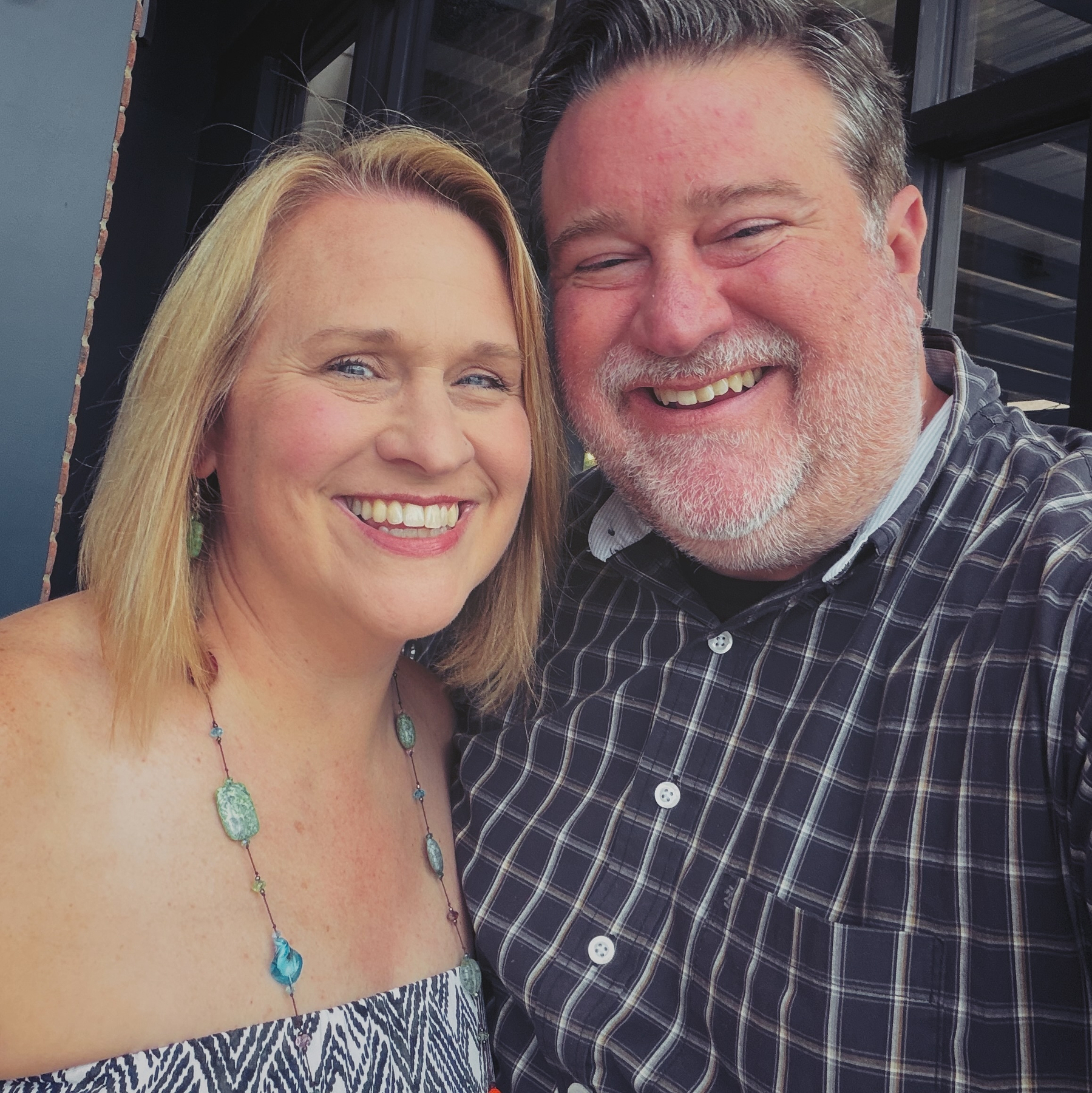
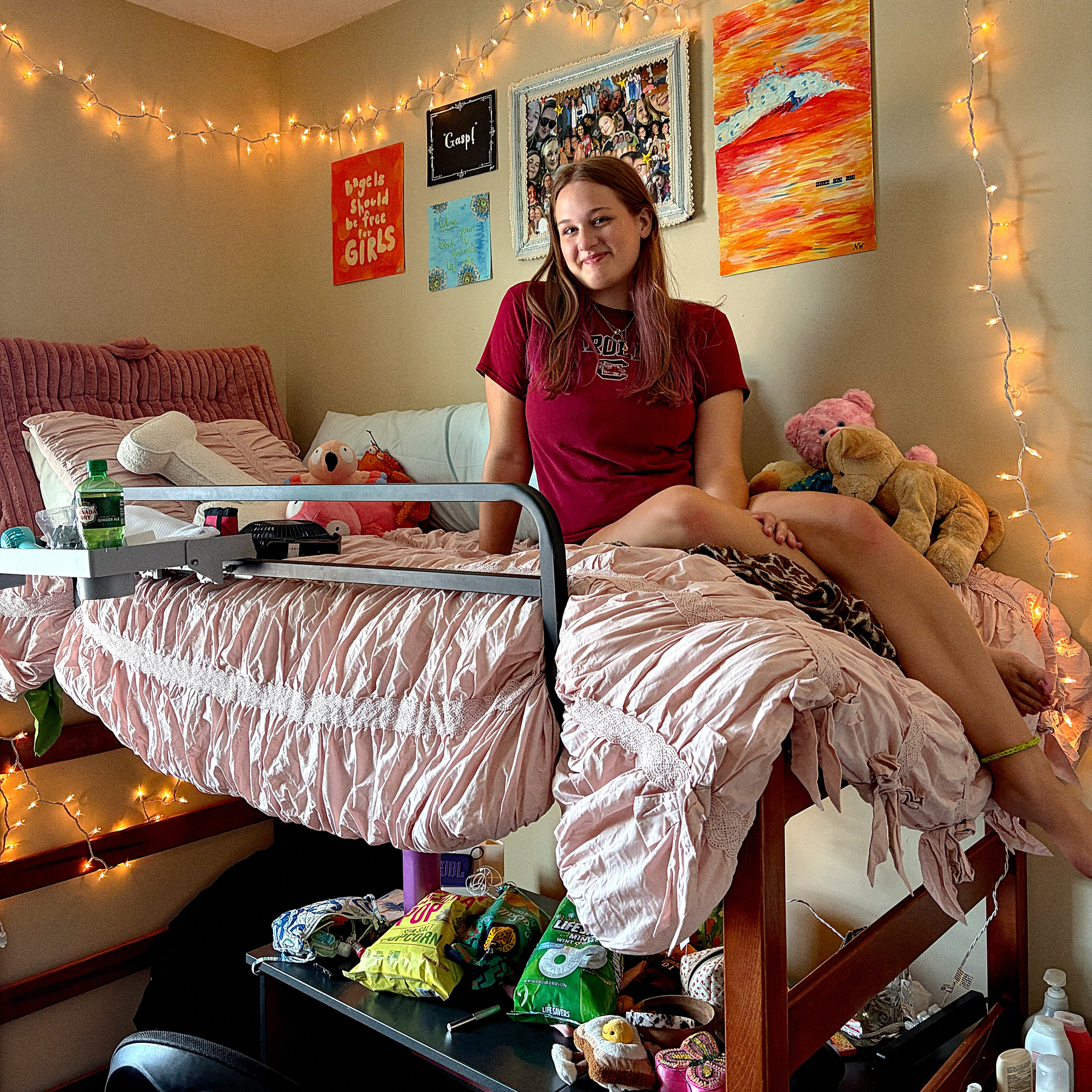
Jilly is all moved in to her residence hall.
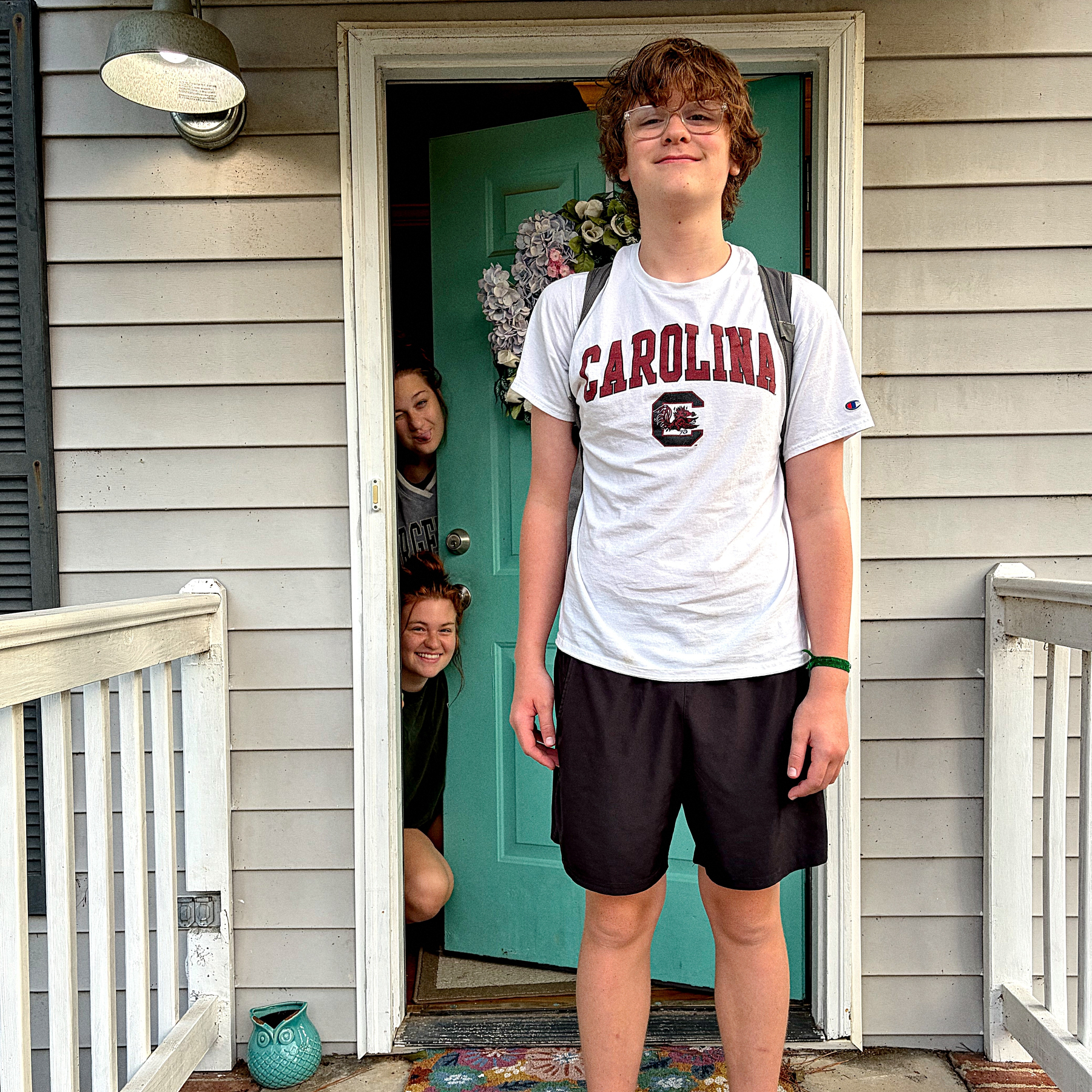
First day of high school. (College-bound sisters in the background will share their own first day of class shots sometime next week.)
8/4/26 • 1 min read
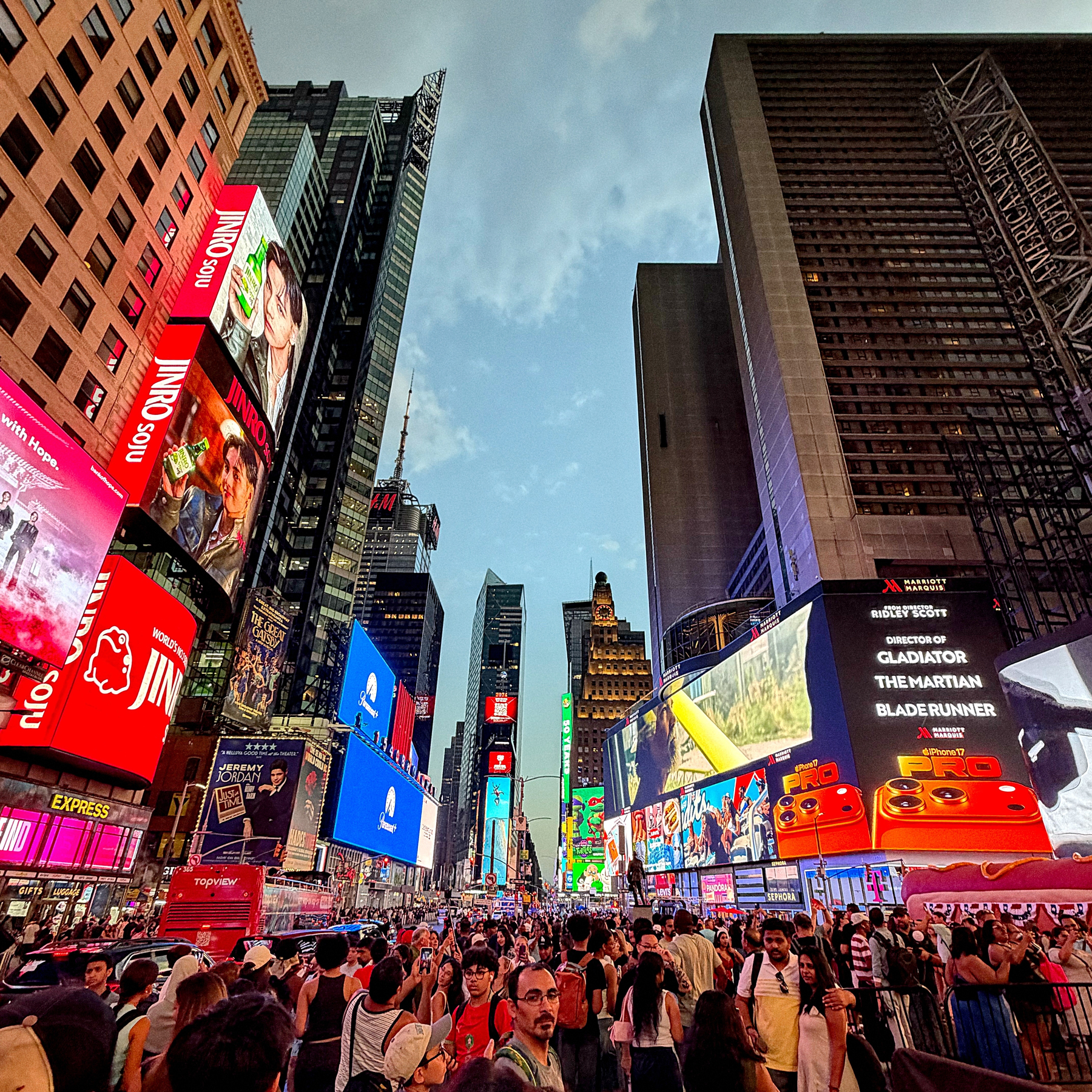
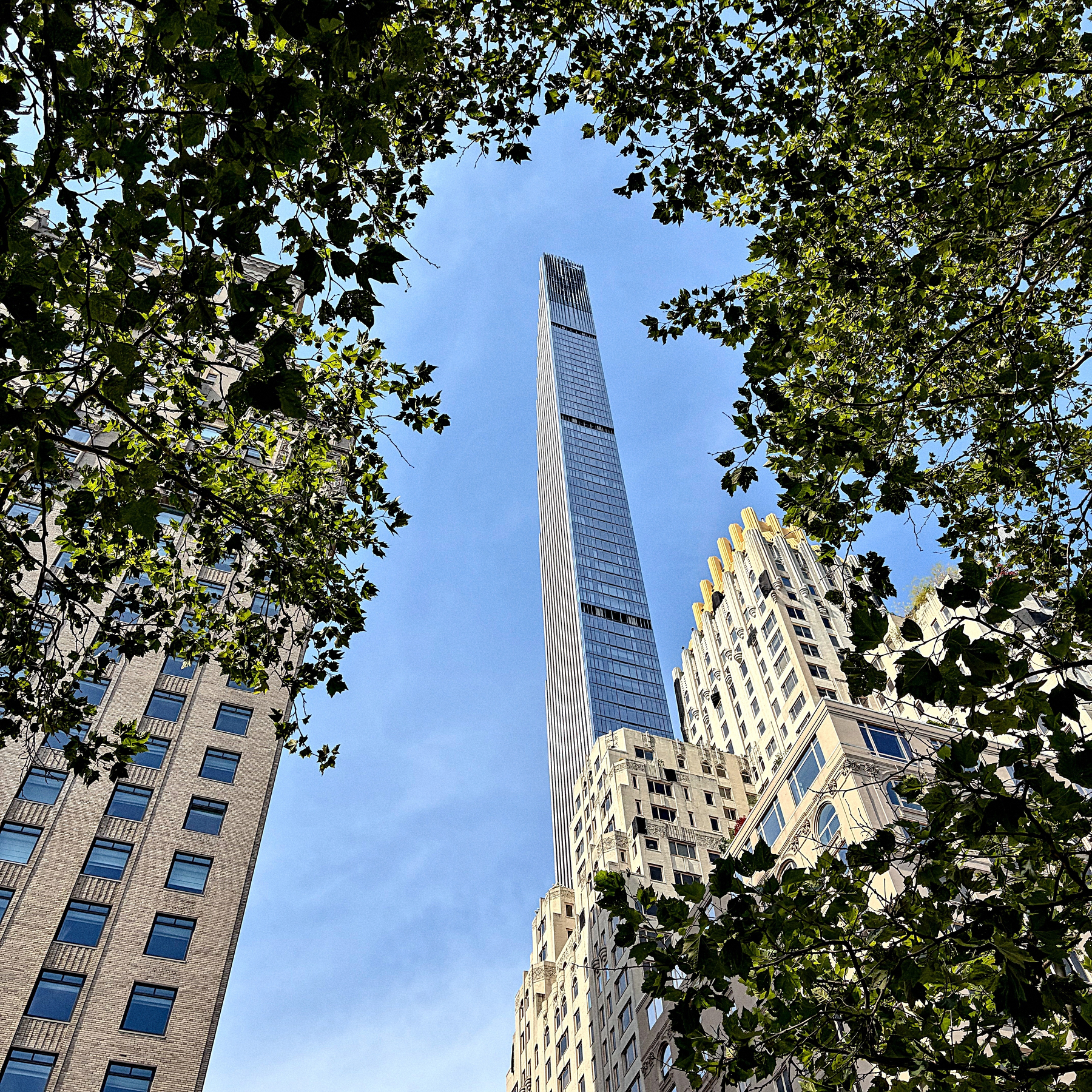
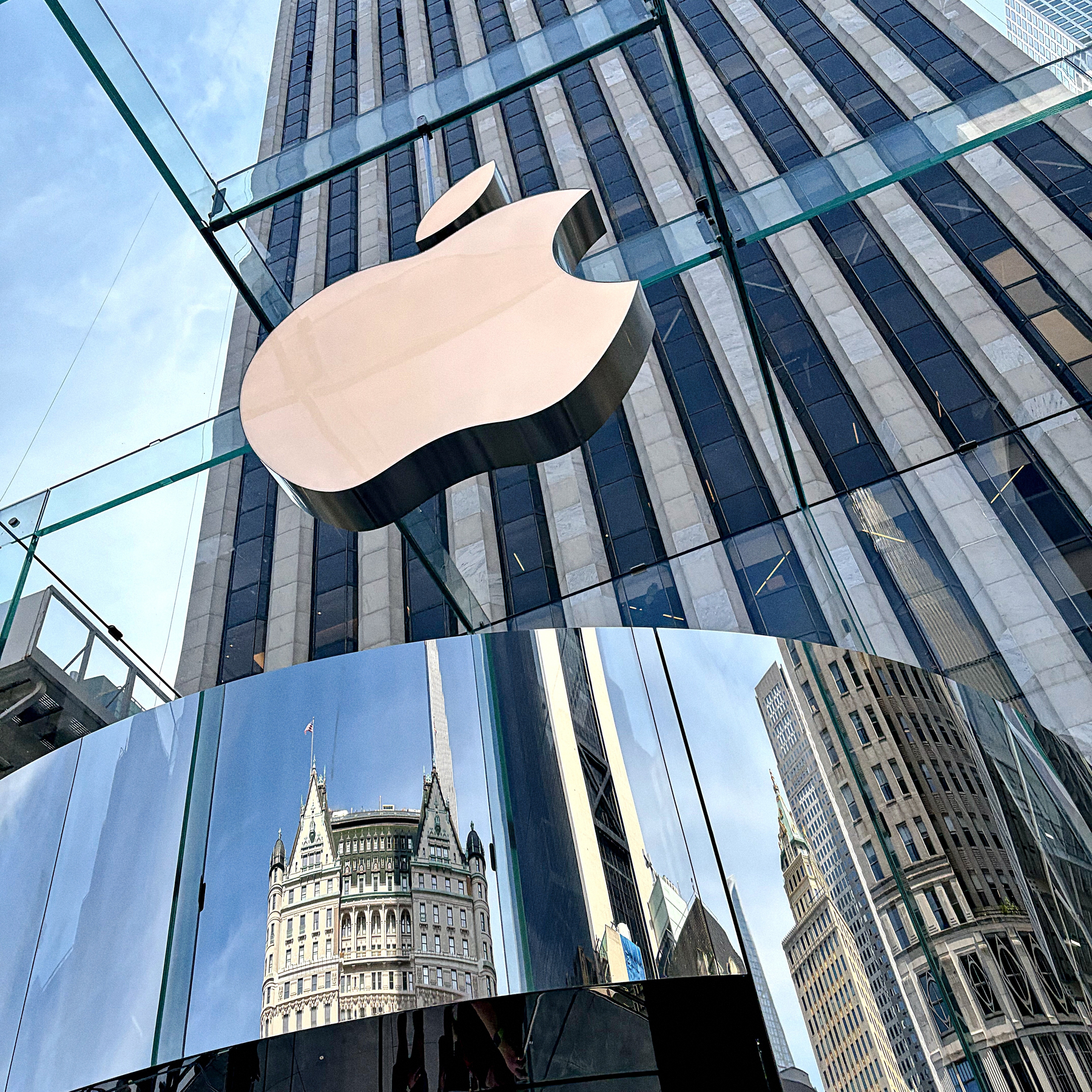
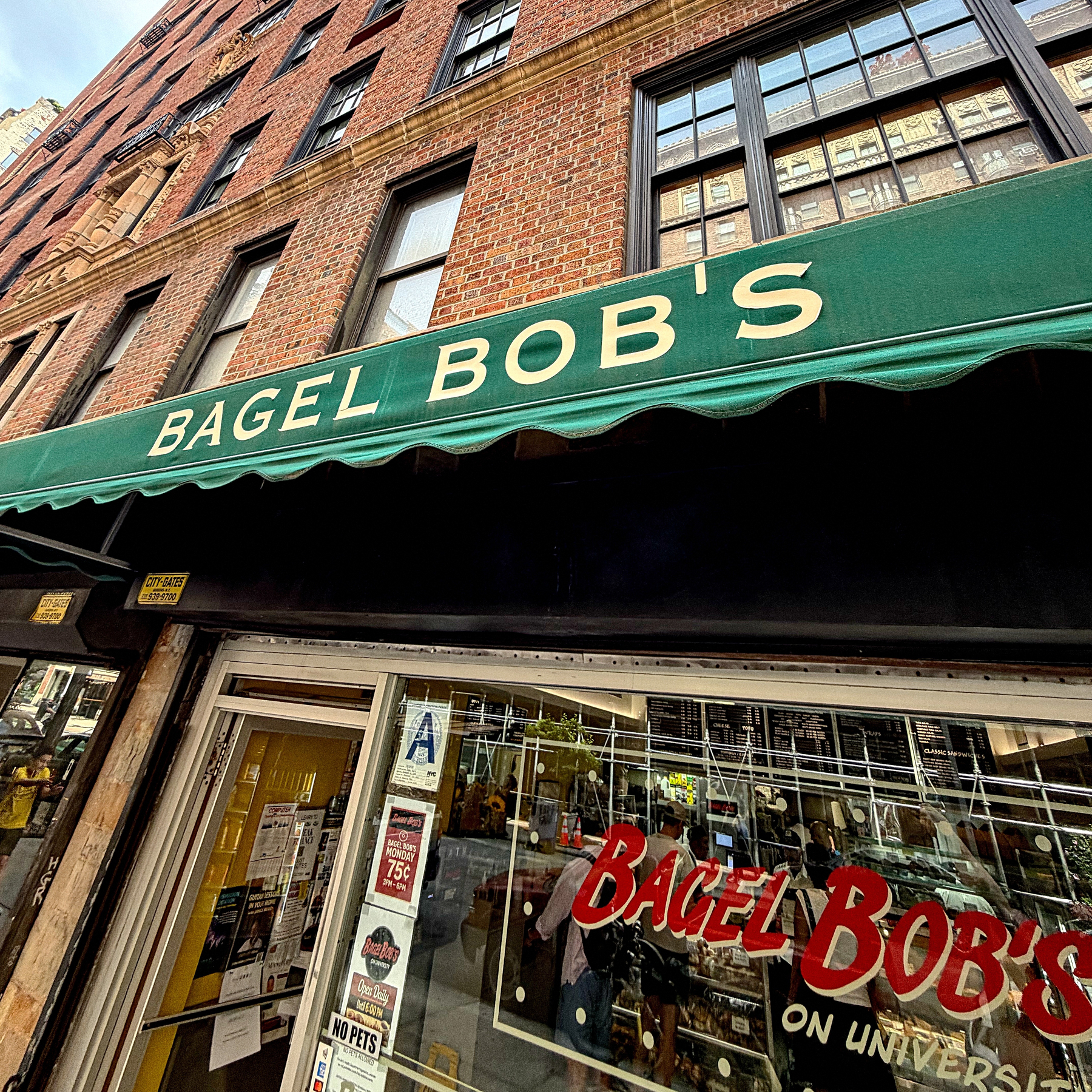
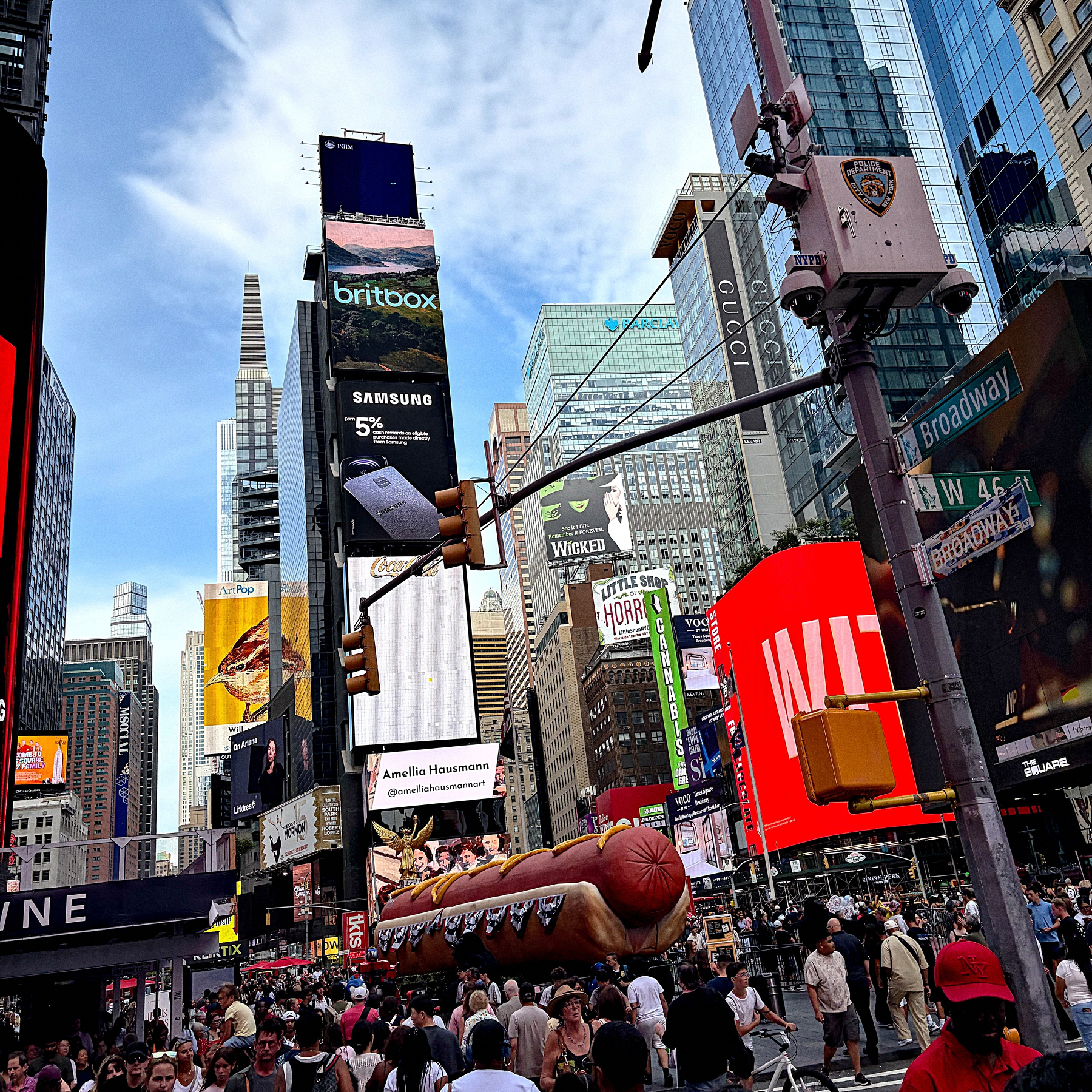
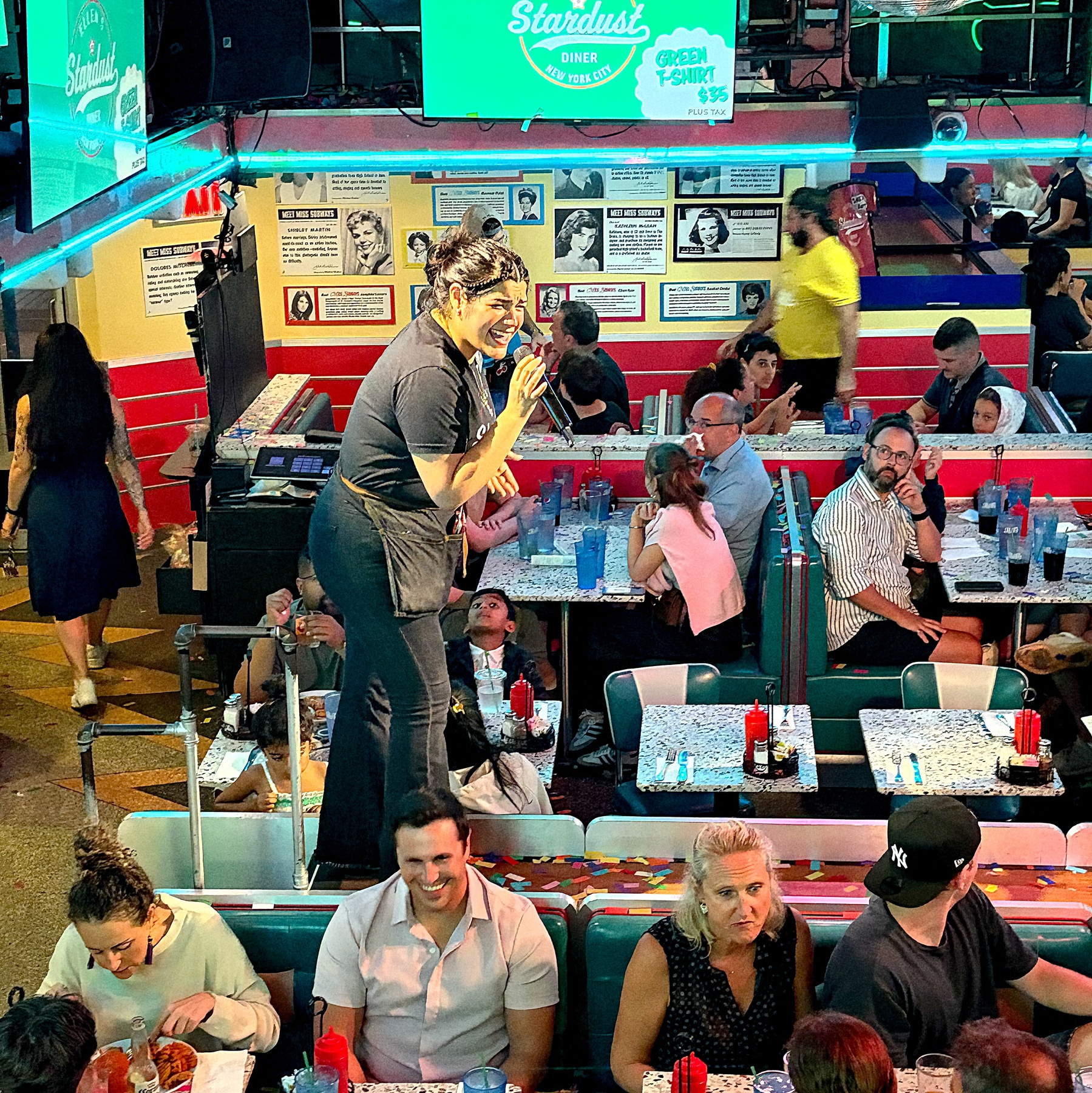
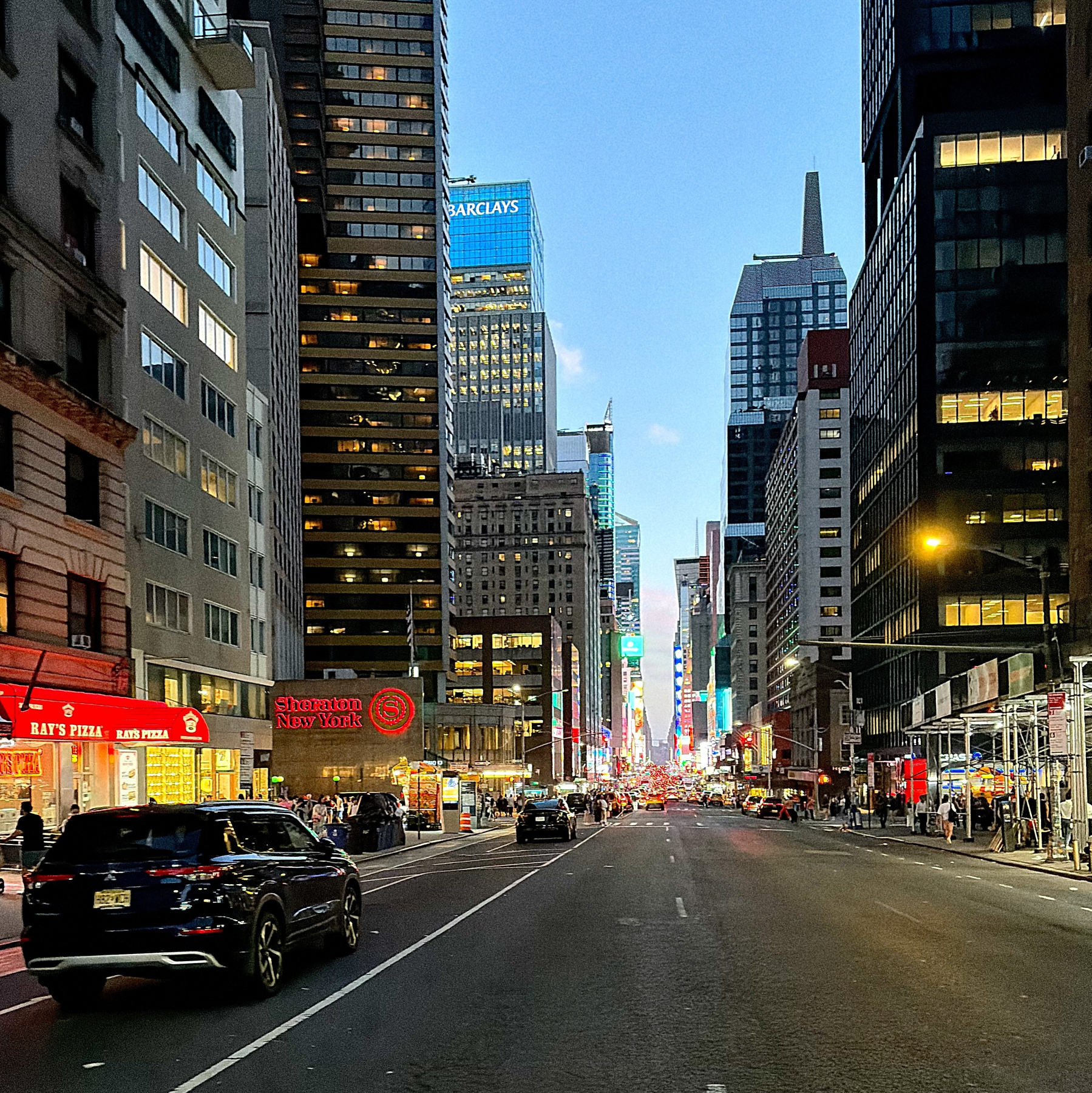
I had a good trip this weekend to New York City for the NCURA conference. Learned a lot, and still had plenty of time to enjoy the city.


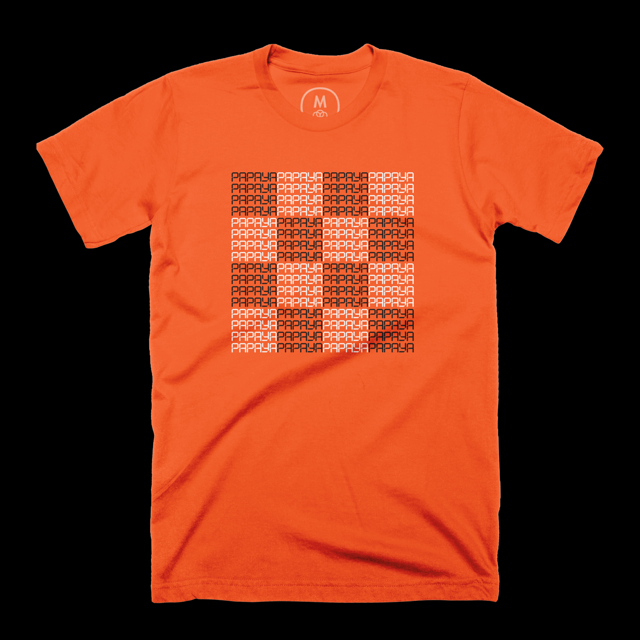
After Lando’s win this morning, I thought I needed a “papaya” shirt. Alas, I don’t wear orange, so this papaya shirt also comes in grey. Available on Cotton Bureau.
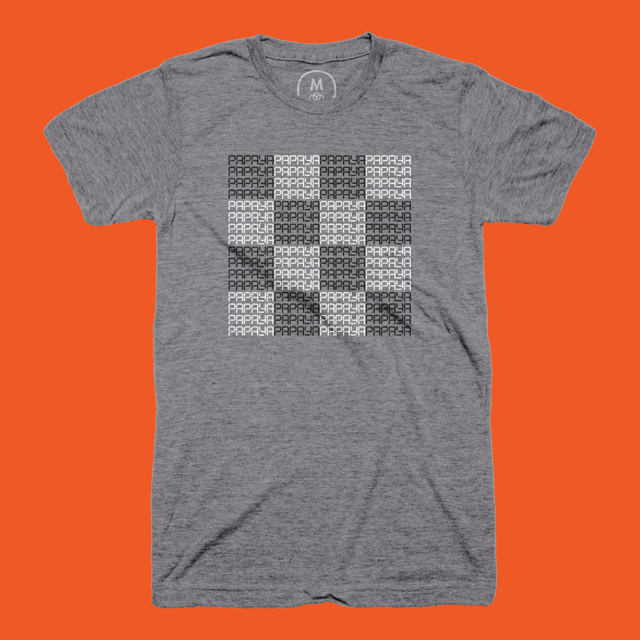
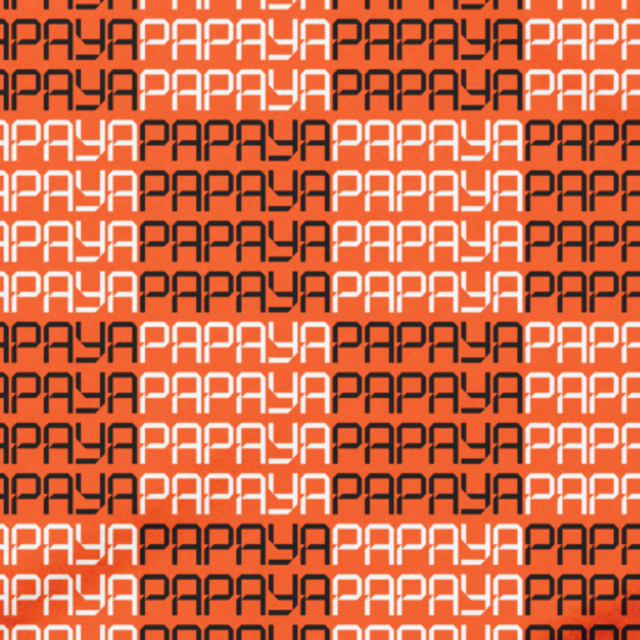
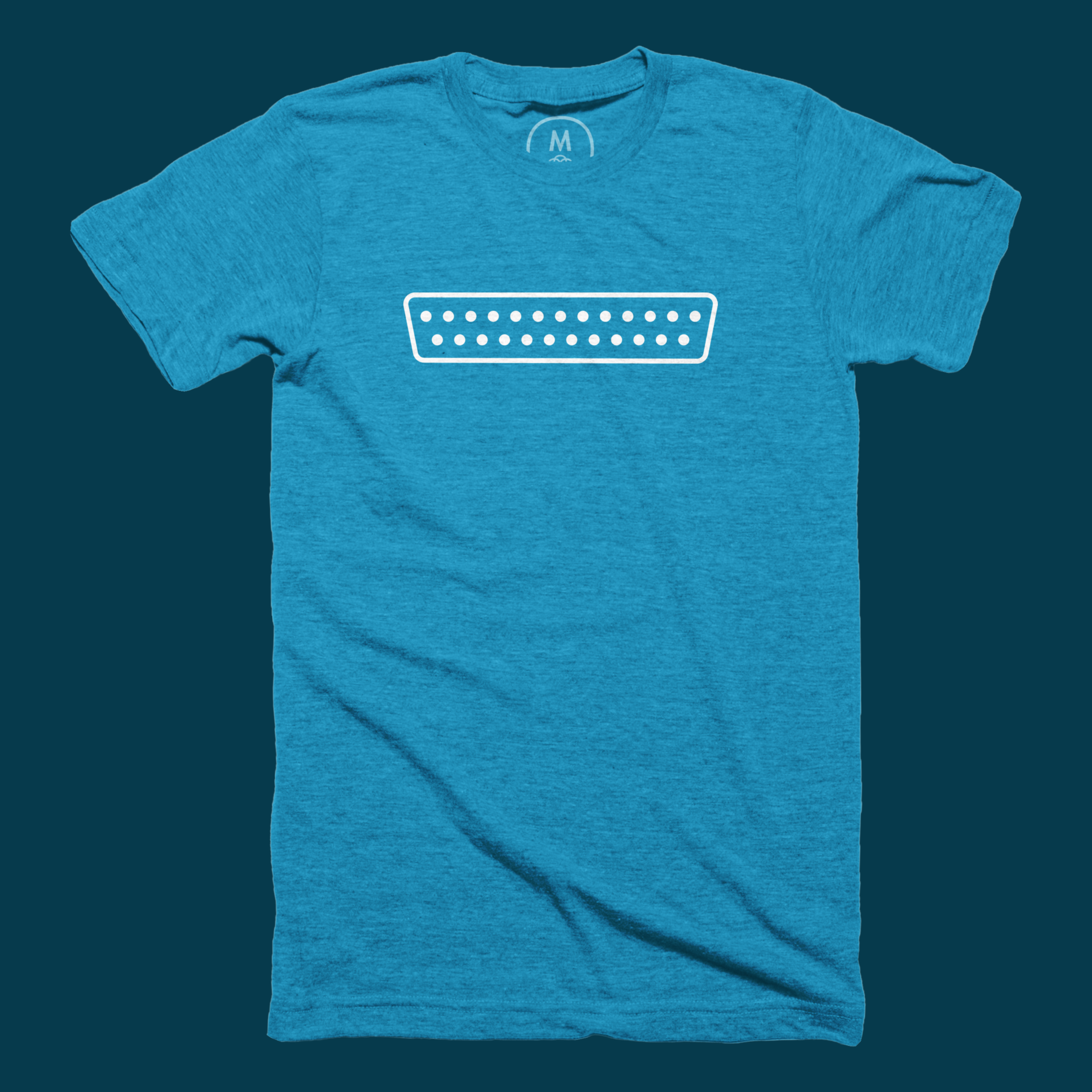
Before Thunderbolt, there was SCSI. Another t-shirt design for my retro tech merch collection.
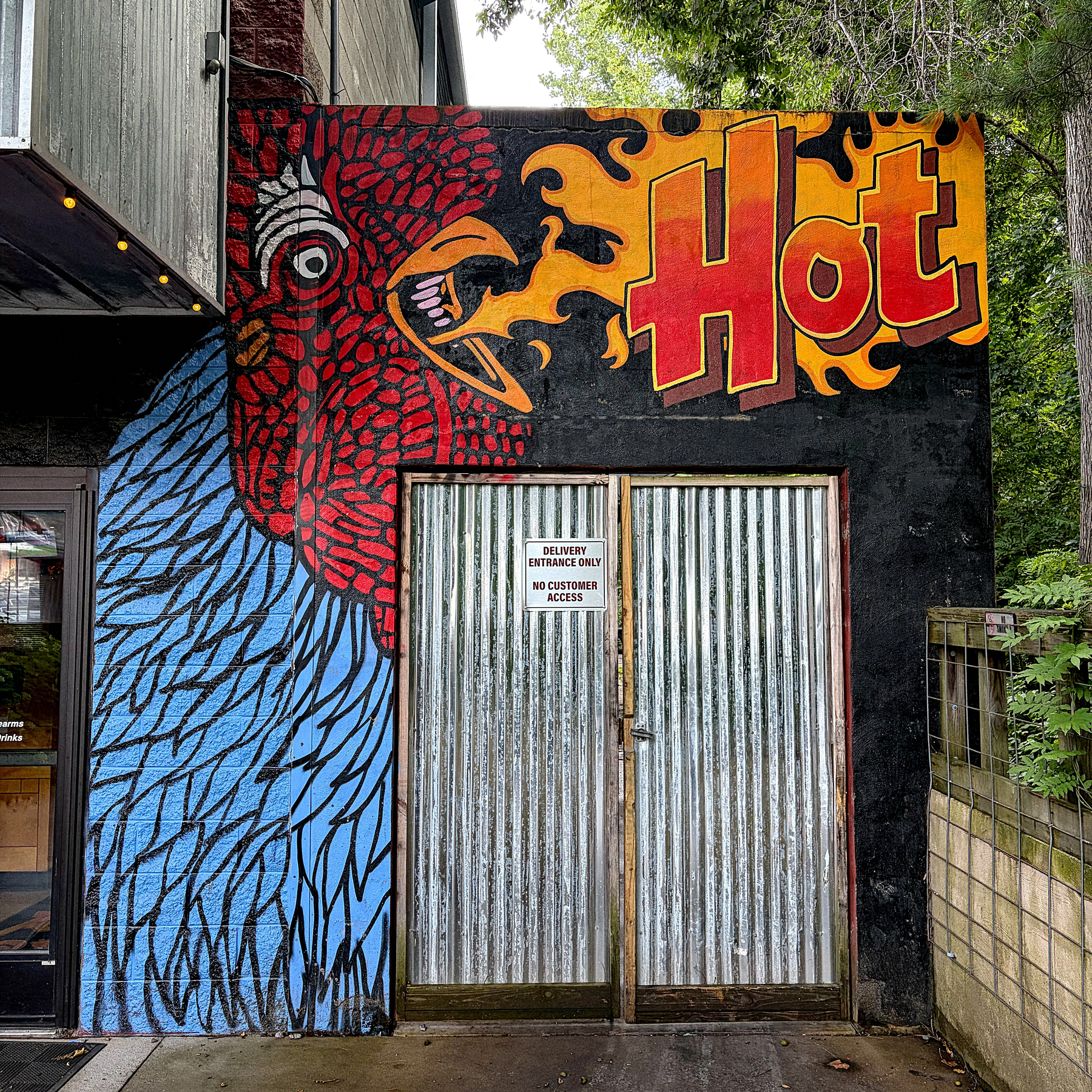
Rocky’s Hot Chicken in South Asheville
Cortado.

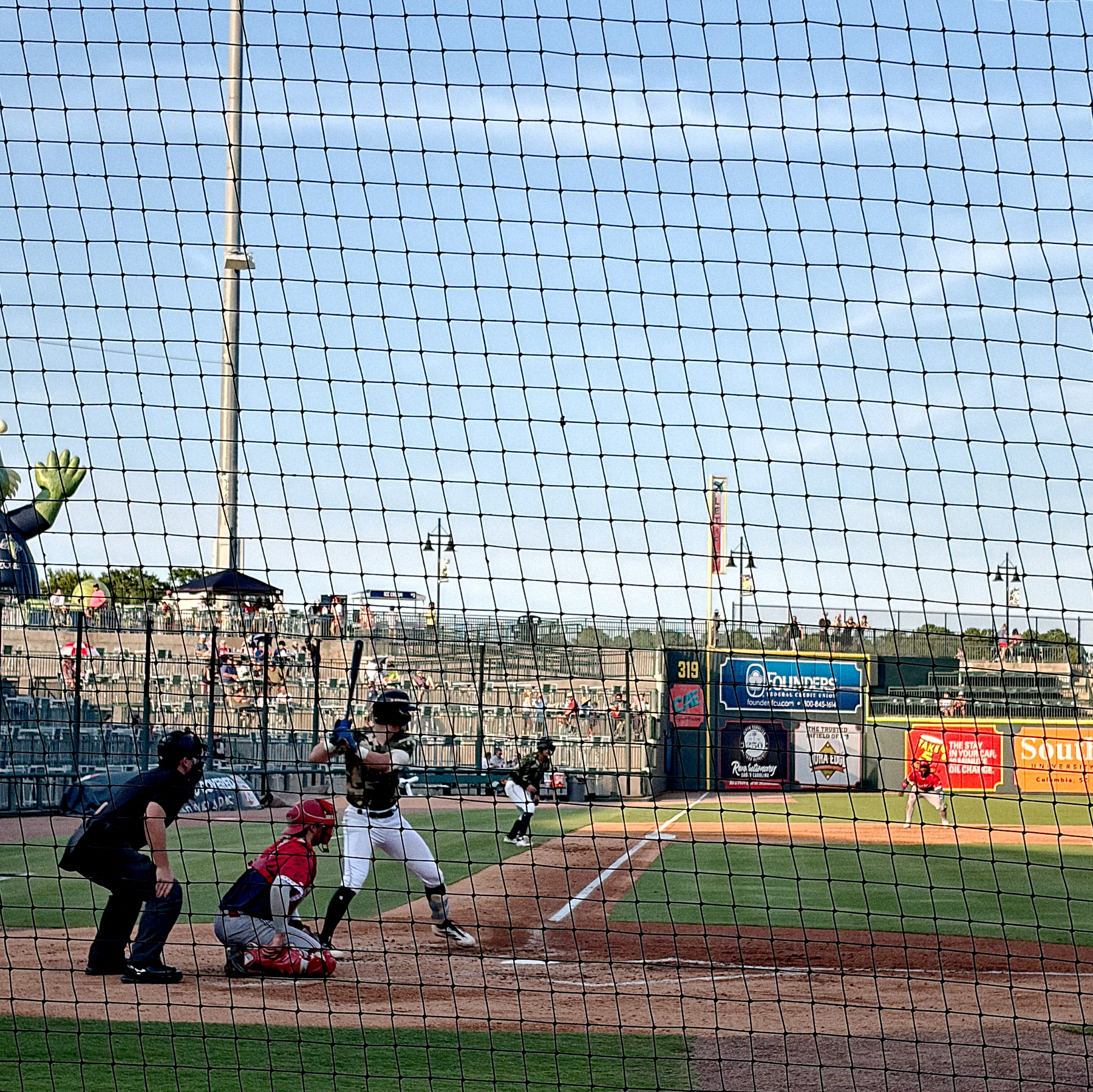
Our July 4th tradition… catching a Columbia Flieflies game. Although tonight, they are cosplaying as the Capital City Bombers. 🇺🇸⚾️🎇
7/4/26 • 3 min read
I was recently listening to The Rest is History’s series on national anthems. I knew that the Star Spangled Banner was inspired by the War of 1812, but what I did not know was that it wasn’t adopted as the National Anthem until 1931!
In fact, many of our national symbols are no where near as old as we think they are. Lots of Americans probably think that the symbols were created alongside the Constitution, but that’s not the case. Like any brand, the marks and symbols that represent it evolve over time. I also don’t think it’s a coincidence that many of them were codified after the rise of Communism and in the Cold War that followed World War II.
To celebrate the 250th anniversary of the United States, I’ve pulled together a list of our national symbols, and the date that the current version was adopted:
The Great Seal of the United States (1885). The original seal was adopted in 1782, but was refined in 1885. The current version remains faithful to the 1885 version.
National Anthem (1931). The anthem was written in 1814 after the British siege of Ft. McHenry, but it would be over 100 years before it officially became the U.S. National Anthem.
Current version of the Pledge of Allegiance (1954). The original version of the pledge was written in 1892, but Congress didn’t recognize it officially until 1942. Then 12 years later, they added the phrase “under God,” which is the version that is still in use today.
In God We Trust (1956). The national motto of the United States was adopted in 1956, replacing E Pluribus Unum (Out of many, one). It previously had been used on coins starting in 1864.
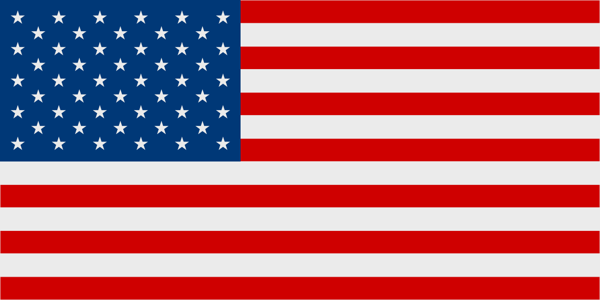
Current version of the US Flag with 50 stars (1960). The basic formula for the flag was set in 1777, but it’s changed over time as the US has grown and stars were added. The current version was adopted when Hawaii was added to the union.1
Bald Eagle (2024). The bald eagle has been part of the US identity since 1782 when it was included as part of the seal design, but the US didn’t have an official “national bird” until a couple of years ago. Joe Biden signed it into law in 2024.
While these symbols feel like they’ve always been here, they really aren’t that old. When my grandparents were born, there was no official national anthem. My parents were born when the U.S. had a 48-star flag. And when I started kindergarten, the version of the Pledge of Allegiance that we recited was just over 20 years old. This all serves as a nice little reminder that symbols change and evolve over time as our society changes.
Bob Wertz is a type designer, Ph.D. student and researcher living in Columbia, South Carolina. He’s been blogging since 2008.
There is a table on the Flag of the United States Wikipedia page with all of the different official flag configurations over the last 250 years. Many of the flags only lasted a year. And who thought an inverted pentagram star pattern was a good idea? ↩︎
7/1/26 • 3 min read
There’s been some discussion on Micro.Blog lately about the absence of likes and other typical social media features. I wanted to look at my experience with two recent posts and what they tell us about how posts are viewed on social media. My posts are shared to three timelines:1
As far as I can tell, the vast majority of my posts get limited to no engagement. Micro.Blog offers no engagement metrics. Bluesky shows likes and comments. Threads offers “Insights” on each post that includes engagement metrics.
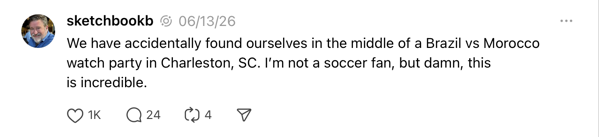
The first was a post about accidentally landing in the middle of a Brazil-Morocco World Cup watch party.
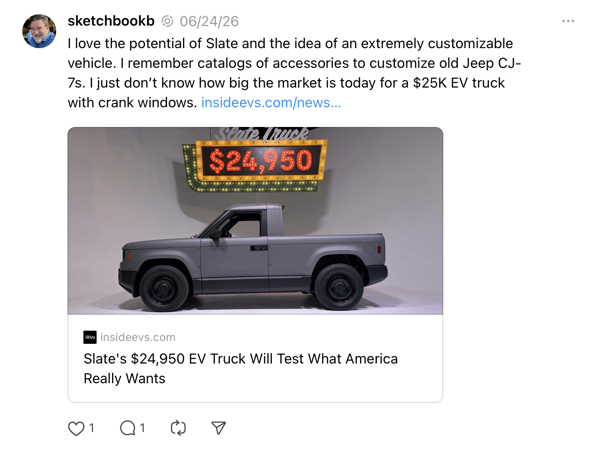
The second was a comment on the Slate truck…
Clearly, if you want people to engage with your posts, the Threads algorithm can provide an audience. Bluesky didn’t generate much activity on either post, but I assume more than one person saw them. For the Slate post, Micro.Blog actually generated a conversation, and another blog post from one of the participants. I decided to follow up with a longer post as well.
These three timelines are different. I use them for different purposes. Is the Micro.Blog timeline quiet? Sure, but it’s full of unique and distinct voices including many I follow from Mastodon. I use Threads to follow pop culture, F1, WNBA, local news, and more. Bluesky has a bunch of academic and political experts that I enjoy following. Each timeline has a purpose. And the character of each is derived from the design of each service.
If I wanted to go all in on metrics, I’d be posting regularly to Facebook (823 friends), Instagram (707 followers), or LinkedIn (750 connections). I wouldn’t have deleted my Twitter account with over 1000 followers. But that’s not why I post on my blog.
I don’t think we’ll ever have a single dominant social media platform. The reality is that I’ve always had two or three different social media channels at a time. In the early days, I used Facebook, Instagram and Twitter. I still use three — Micro.Blog, Threads and Bluesky — but my current setup works better for me because everything is hosted on Micro.Blog and crossposted to other services. I value having all of my content on a single site.
We all use social media for different purposes. One great thing about today’s social media is that we have choices, but having more social media channels available means it’s harder to focus on a single outlet that meets all our needs. Each platform makes decisions that shape the experience, and that’s especially true in the case of Micro.Blog. In fact, I almost wrote a paper for a Ph.D.-level PR theory class a couple of years ago about how Micro.Blog’s structure aligns with Kent & Taylor’s framework for creating dialogic social media. Maybe someday, I’ll get around to writing it.
Bob Wertz is a type designer, Ph.D. student and researcher living in Columbia, South Carolina. He’s been blogging since 2008.
Honestly, four. I still share to Mastodon, but I don’t have any followers over there and don’t expect any engagement. ↩︎
6/24/26 • 2 min read
I don’t need a car right now, but in year or so, my daughter will need her car at college and I will need a car to take me back and forth to work. My wife won’t let me get a mini truck from local importer Japan Direct Motors, so maybe a Slate is the next best thing.
I’ve wanted an EV for a long while, but the timing just hasn’t been right. In a perfect world, I’d support Scout Motors which is building a factory outside of my hometown of Columbia, South Carolina. I love the way the Scouts look, but the starting price for a their very nice EV pickup is around $60,000. I’ve also eyeballed other cars like the Rivian R3, but who knows when that will finally hit the market. I like a small car, but many of the smallest EVs aren’t going to make it to the United States market.
And then there is the Slate. I’ve been interested in the bare bones basic truck since they announced it. I love the idea of an infinitely customizable vehicle that starts at a low price. Then add the features you want over time.
Slate hosted a media event today to announce the final pricing and configurator, so there are a bunch of articles and videos out now. I enjoyed an article from The Verge and Marques Brownlee’s video preview. If you want a deep dive, this 55-minute video packs lots of details.
I think the price is right at $25,000. (Imagine if the $7,500 EV tax credit was still available!) They originally planned to offer two battery packs, but settled on a single option with a range of just over 200 miles. That will work for my daily commute with plenty of range anxiety cushion to spare.
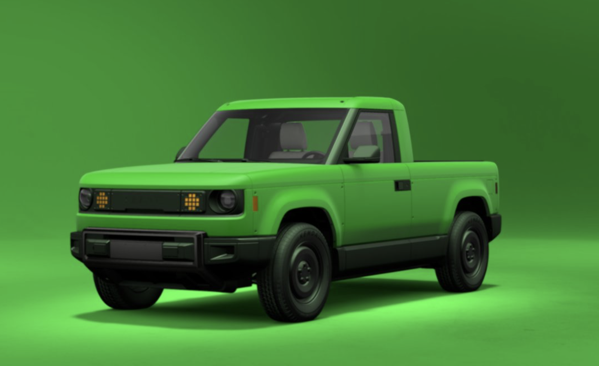
I’d want to add some options of course… Probably a full body vinyl wrap, some speakers and maybe a center console. I also really like the look of the fastback, which adds $6,000 to the cost of the car. Browsing the Slate online configuration app, you can see how large the accessory ecosystem could become.
I still have questions. I want to see the crash test results and some more reviews. But after all of the announcements today, I’m absolutely still interested.
Bob Wertz is a type designer, Ph.D. student and researcher living in Columbia, South Carolina. He’s been blogging since 2008.
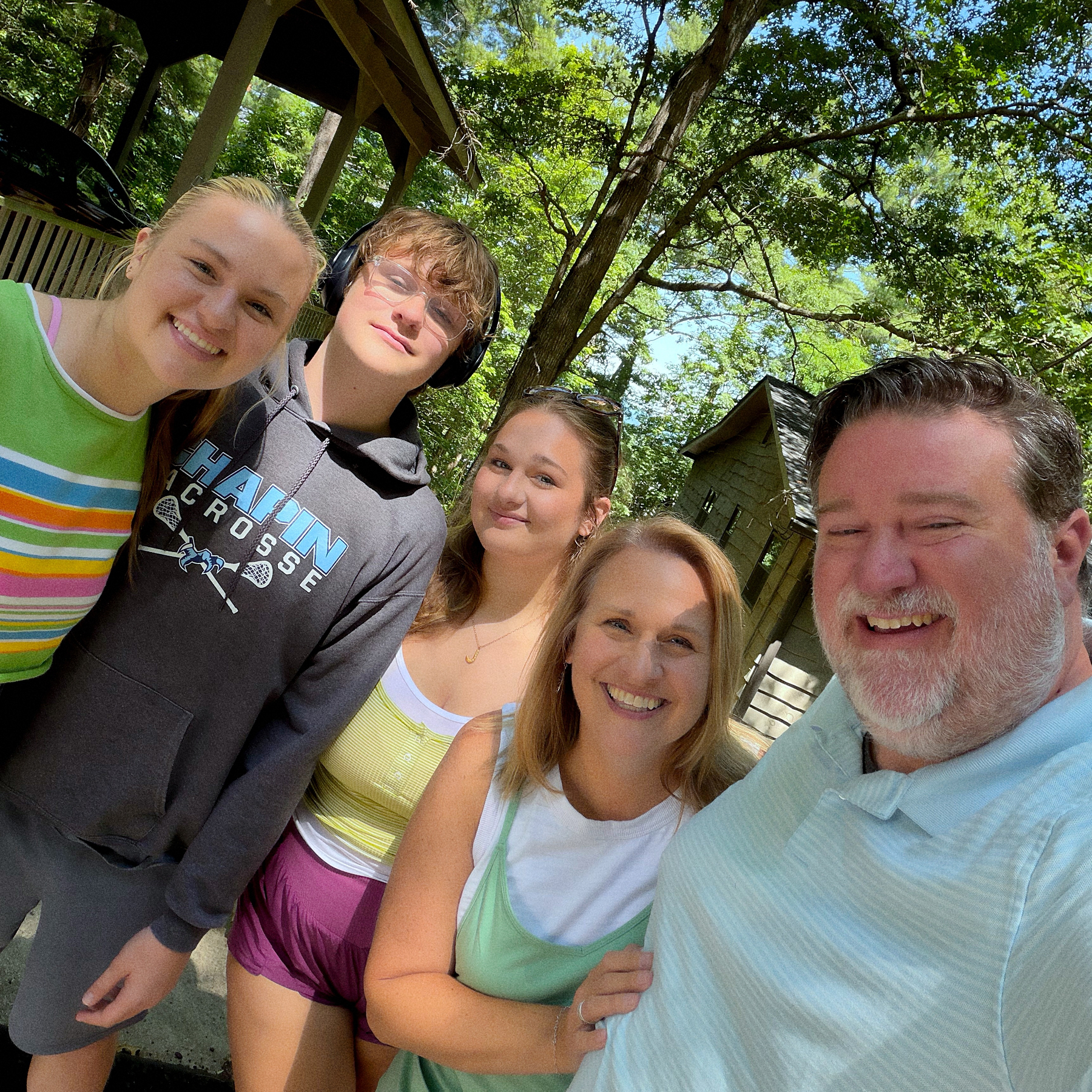
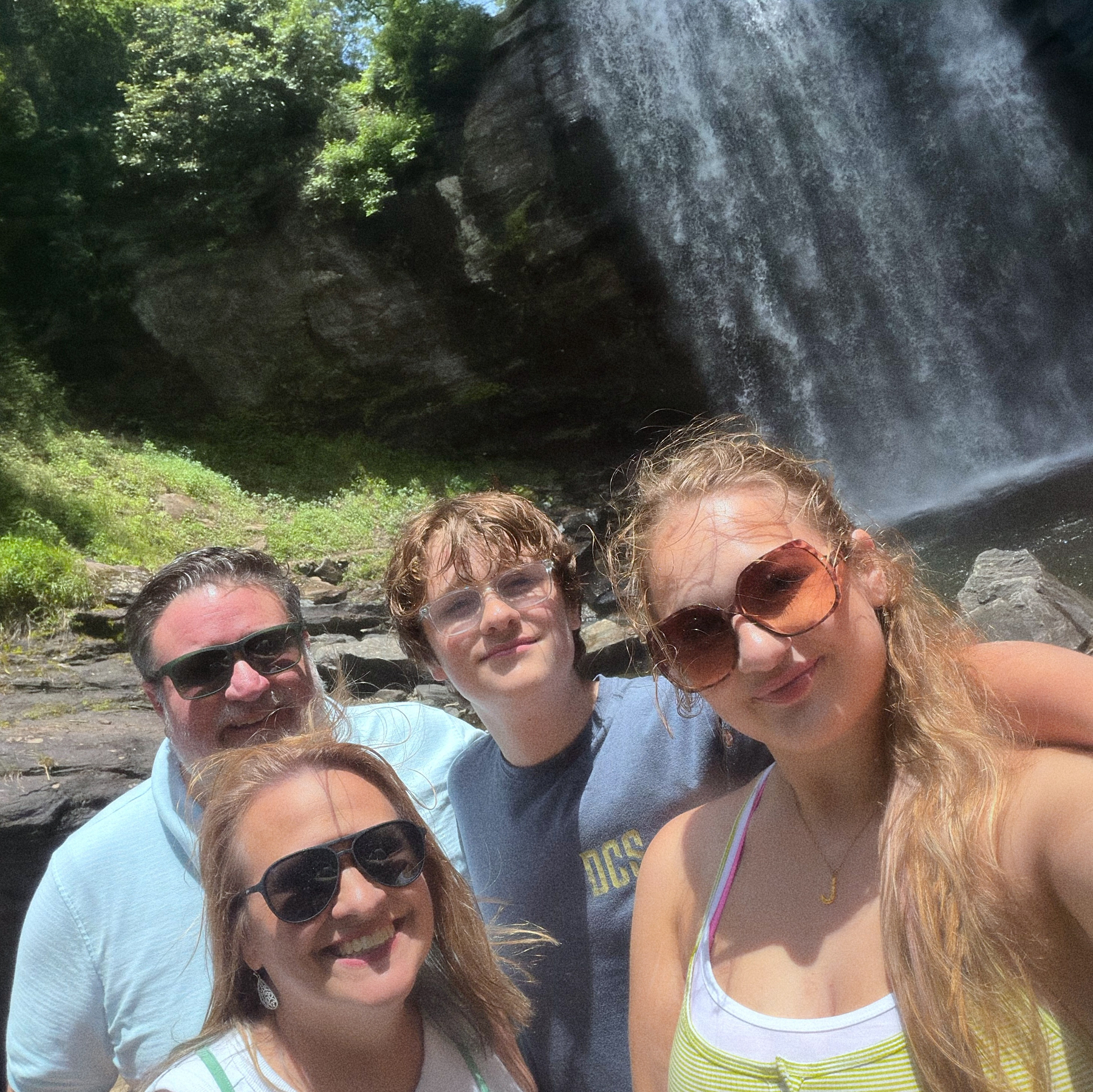
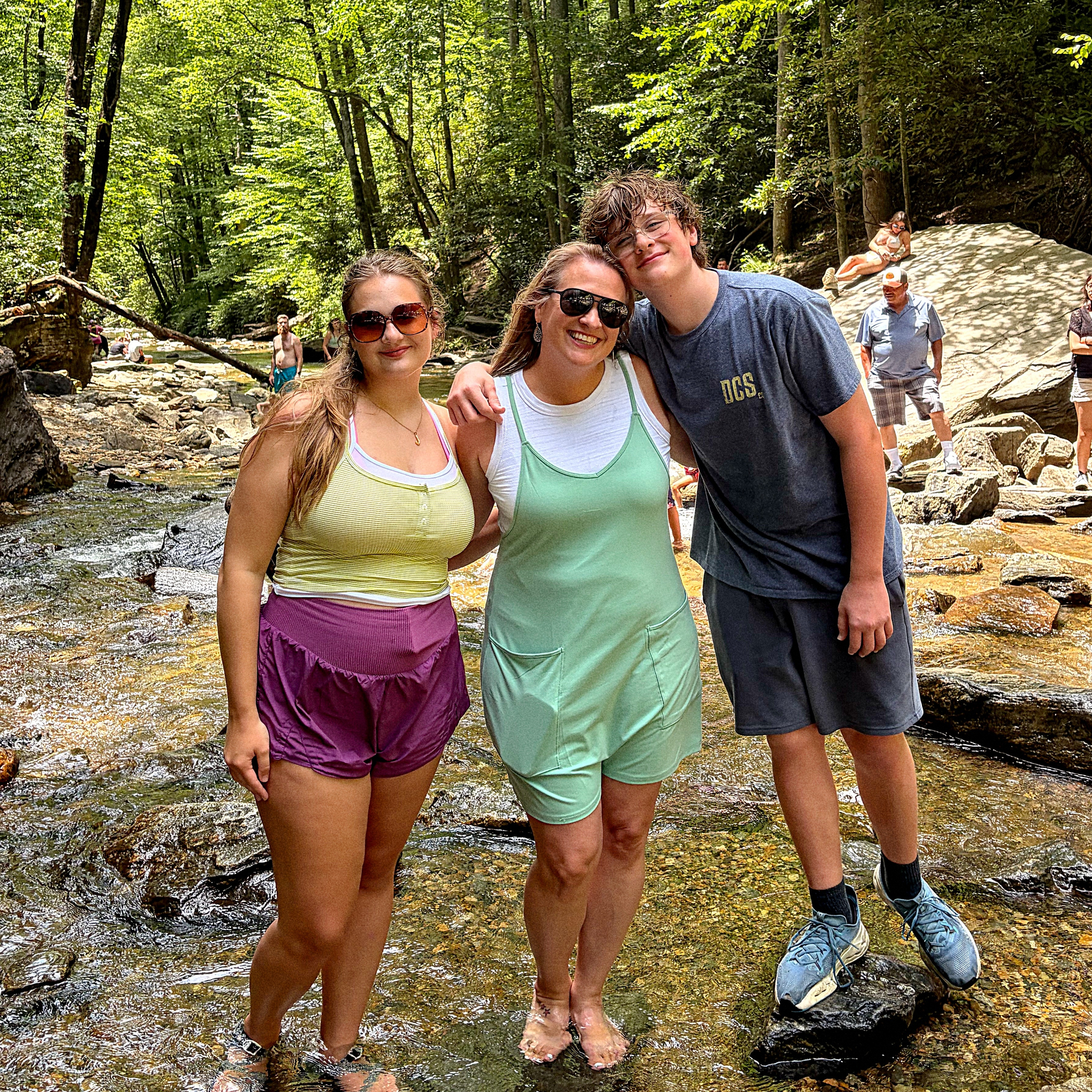
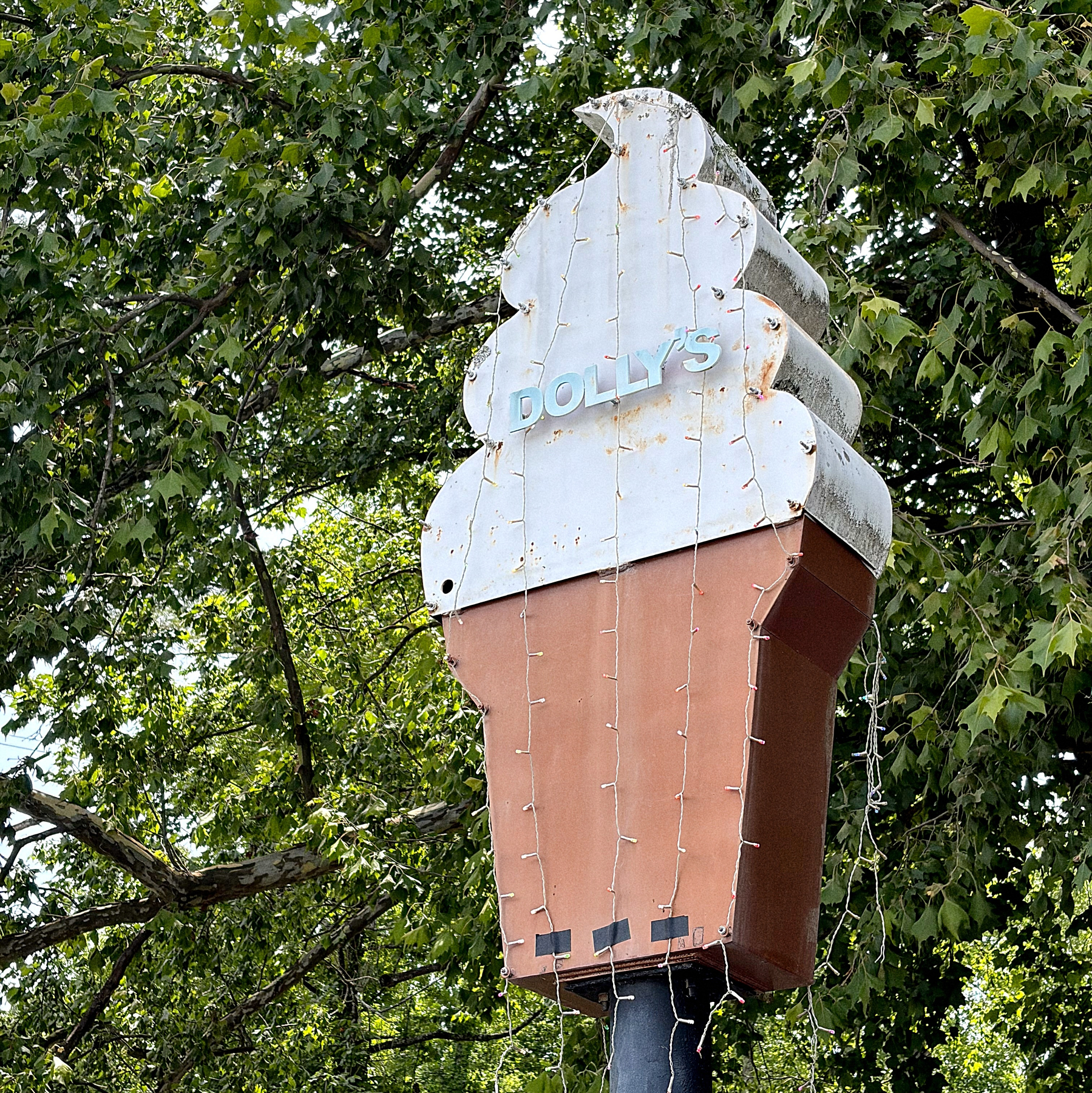
Fun Father’s Day. Drove up to Asheville to see Norah. Headed to Looking Glass Falls. Stopped by Dolly’s on the way out of Pisgah to get some ice cream.



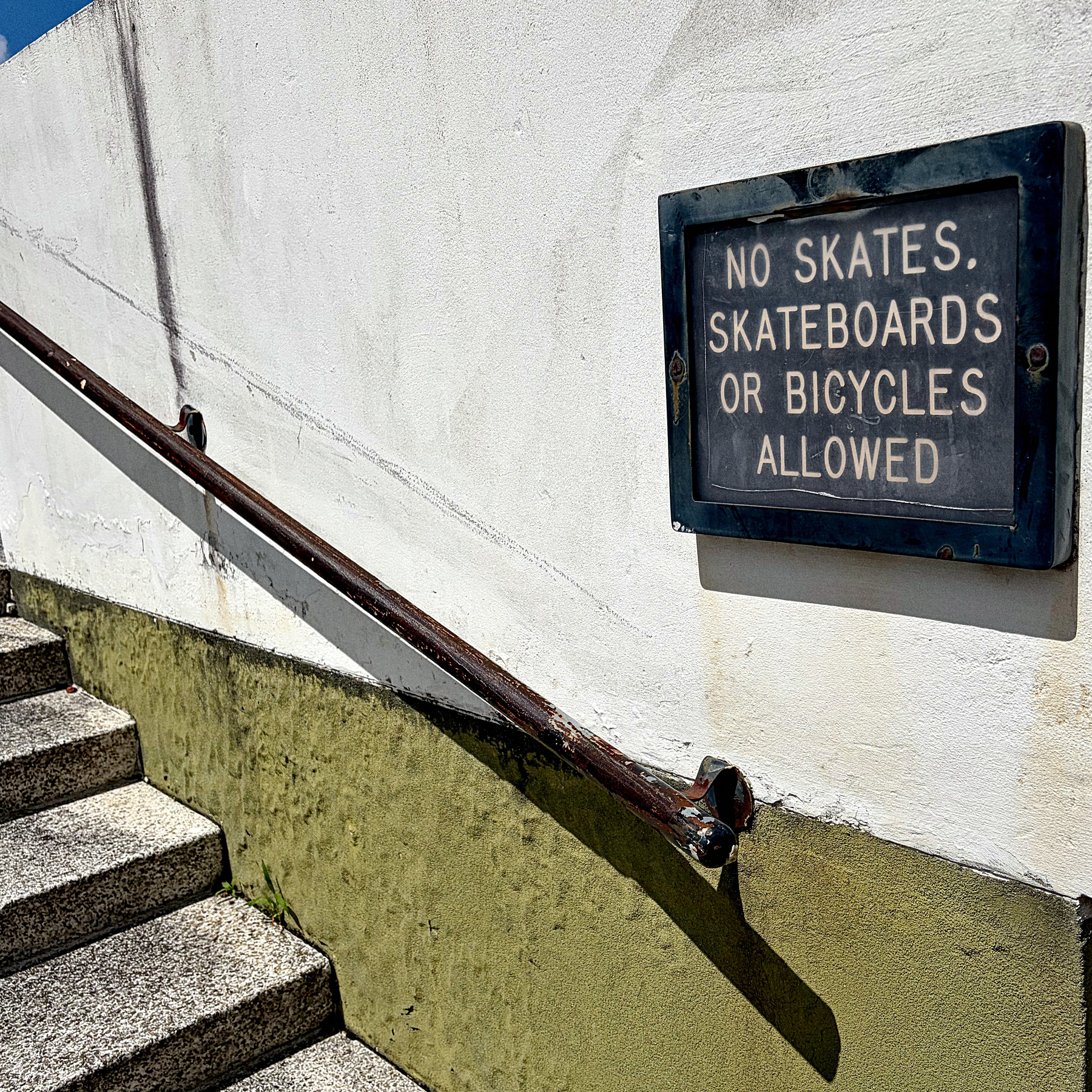
Old sign outside a state government building that isn’t currently occupied. I see skateboarders on these stairs frequently.
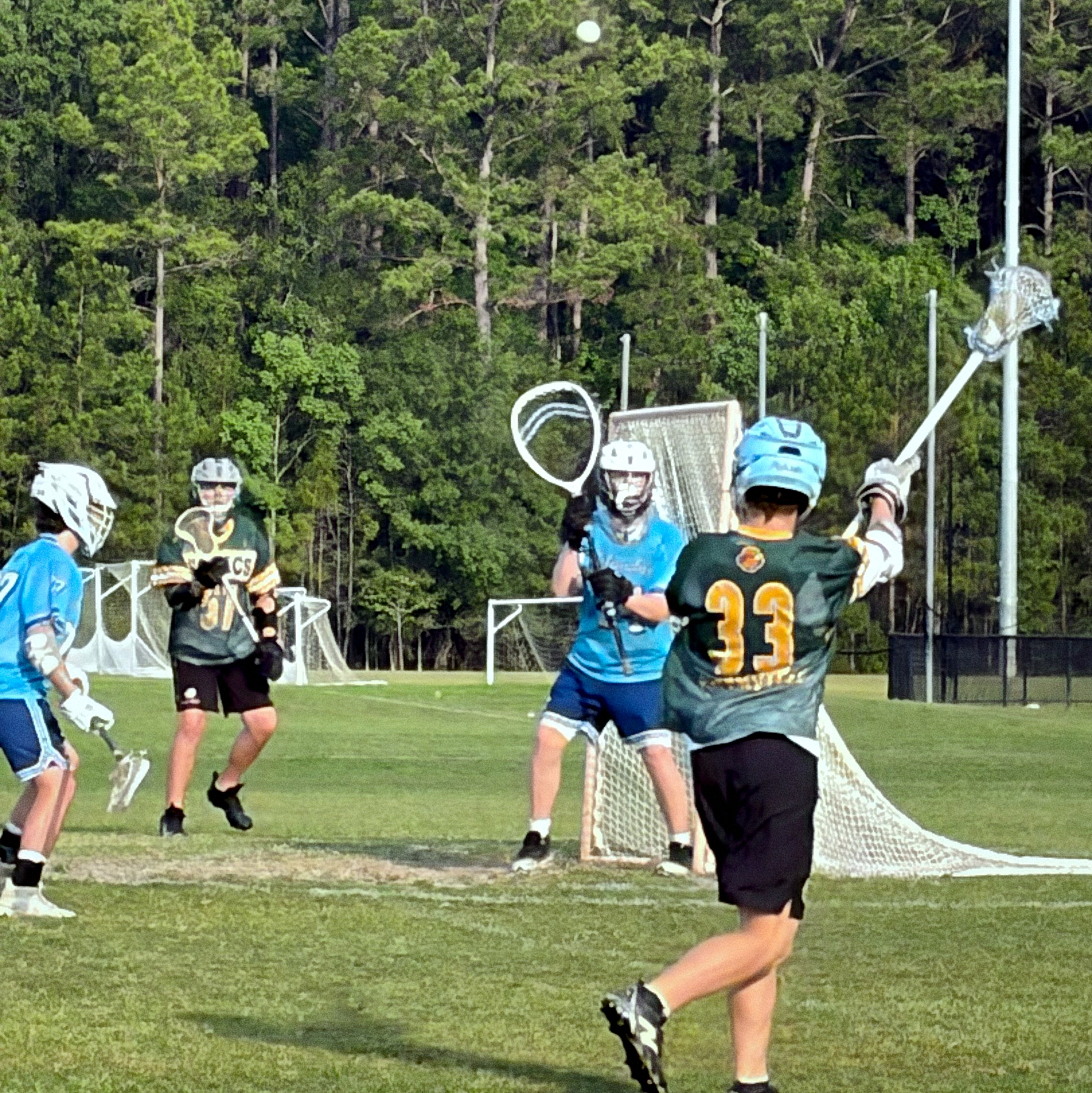
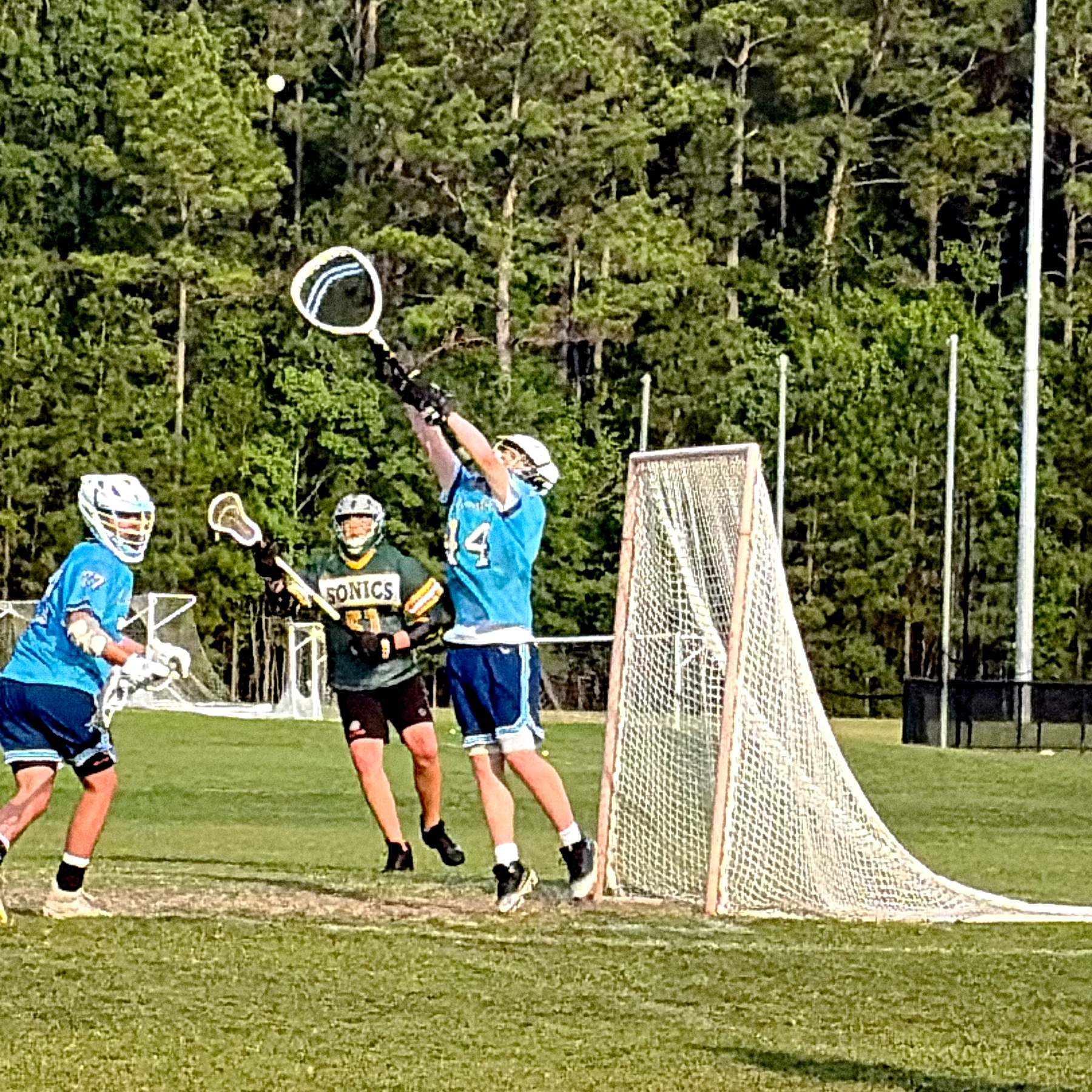
Survived Ryan’s lacrosse tournament in Mt. Pleasant this weekend. The heat was brutal, especially on Saturday. Ryan played well, and the team got a couple of wins. But honestly, I’m glad we are done with travel ball for the rest of the summer. It’s just too hot.
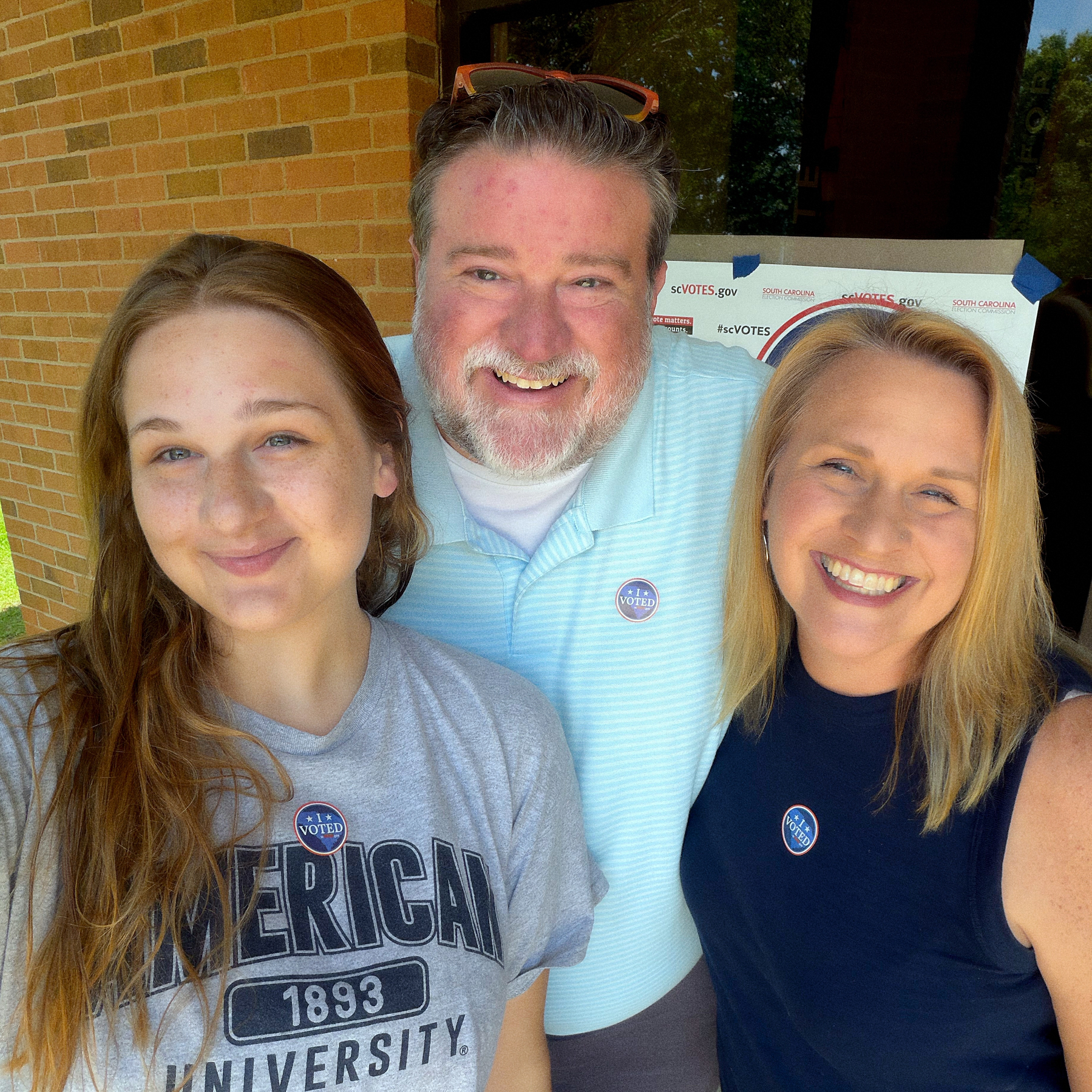
Voted today in South Carolina. And we got to take Jill so she could vote for the first time. 💙🇺🇸
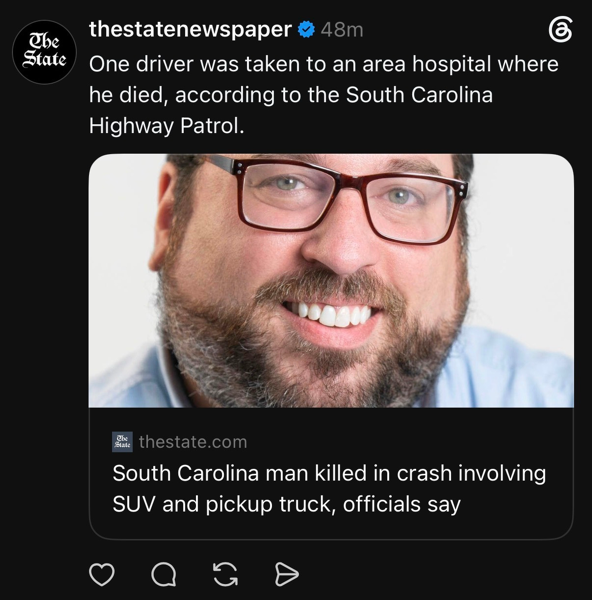
The State Newspaper in Columbia, SC shares a news story on Threads about a fatal car accident. The picture that is included is a photo of the author of the article… who was not in an accident and is very much alive. This is an ongoing problem with automated posting and vague clickbait headlines.
6/4/26 • 1 min read
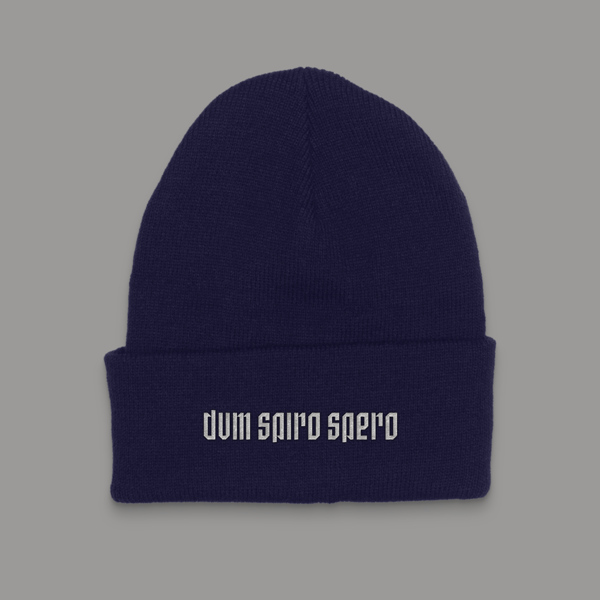
As part of my quest to get comfortable in Canva Affinity, I’ve been experimenting with some on-demand embroidery designs on Cotton Bureau. For embroidery, you are limited to a palette of 15 specific thread colors. When you create the product, Cotton Bureau tries to match the colors in your design to the available thread colors… which provides some unexpected results. Thankfully, Canva provides hex codes to approximate the thread colors.
To speed up my production, I made an Affinity Color Palette and figured I’d share. If you want to import the current Cotton Bureau thread palette into Affinity, here it is: 2026 Cotton Bureau Thread Colors.clr (ZIP archive).
Hopefully, it will save you a couple of minutes.
I’ve got one simple embroidered beanie on Cotton Bureau right now, my Dum Spiro Spero design, but I’ve got more embroidery designs in the works.
Bob Wertz is the Director of Research Training at the University of South Carolina, a Ph.D. student and typeface designer living in Columbia, South Carolina. He’s been blogging since 2008.
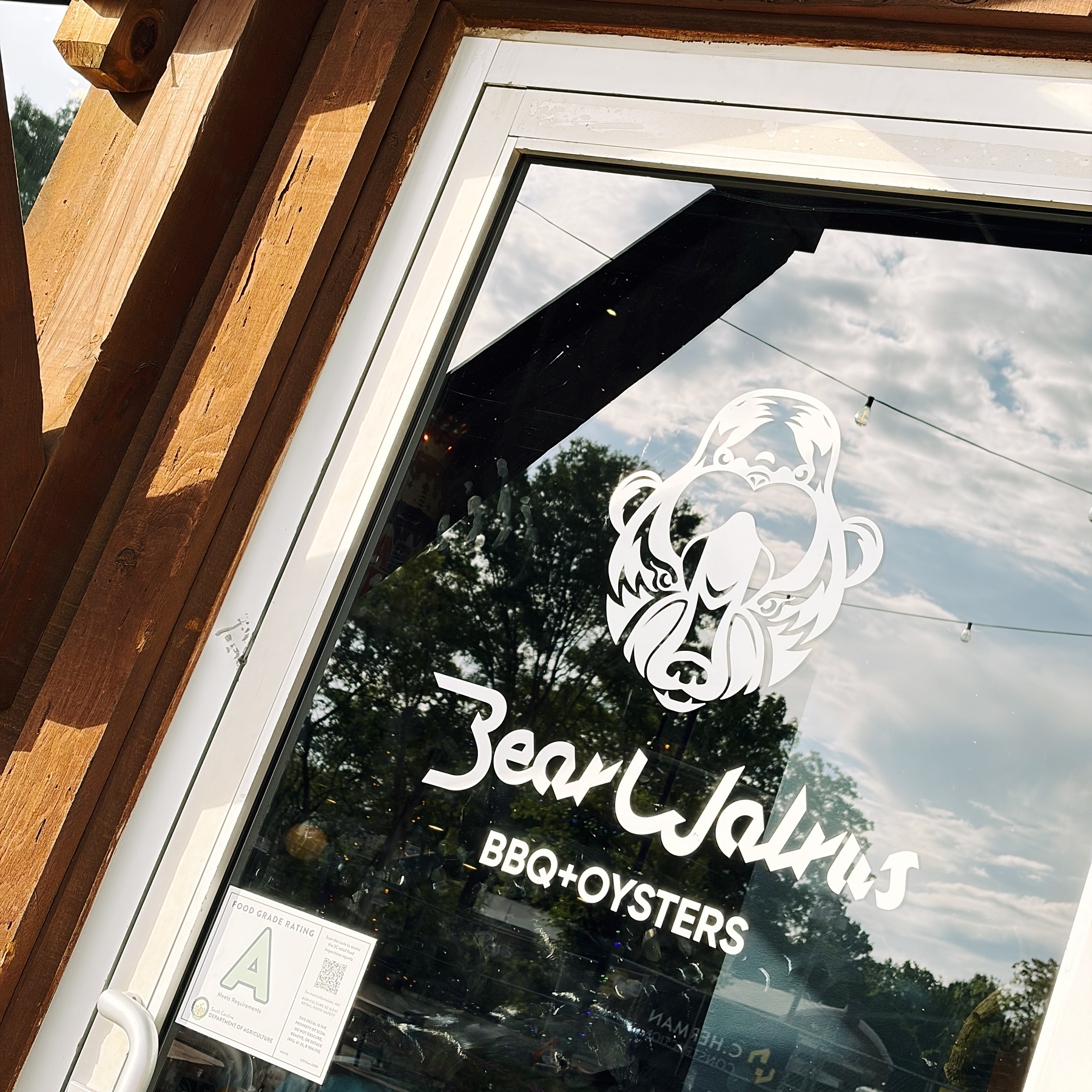
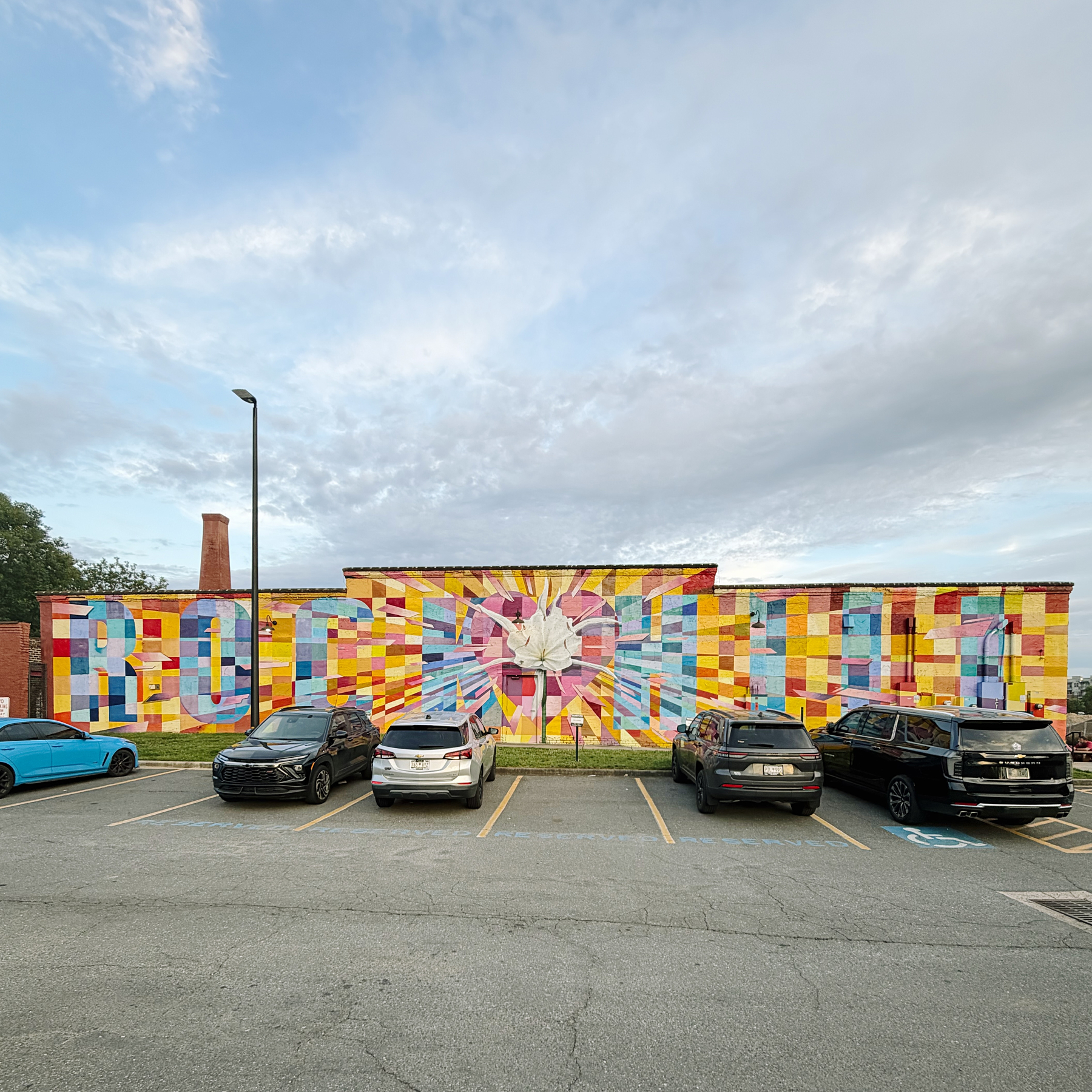
In Rock Hill, South Carolina for a lacrosse tournament and had dinner at BearWalrus. Weird name. Outstanding food. Highly recommend.
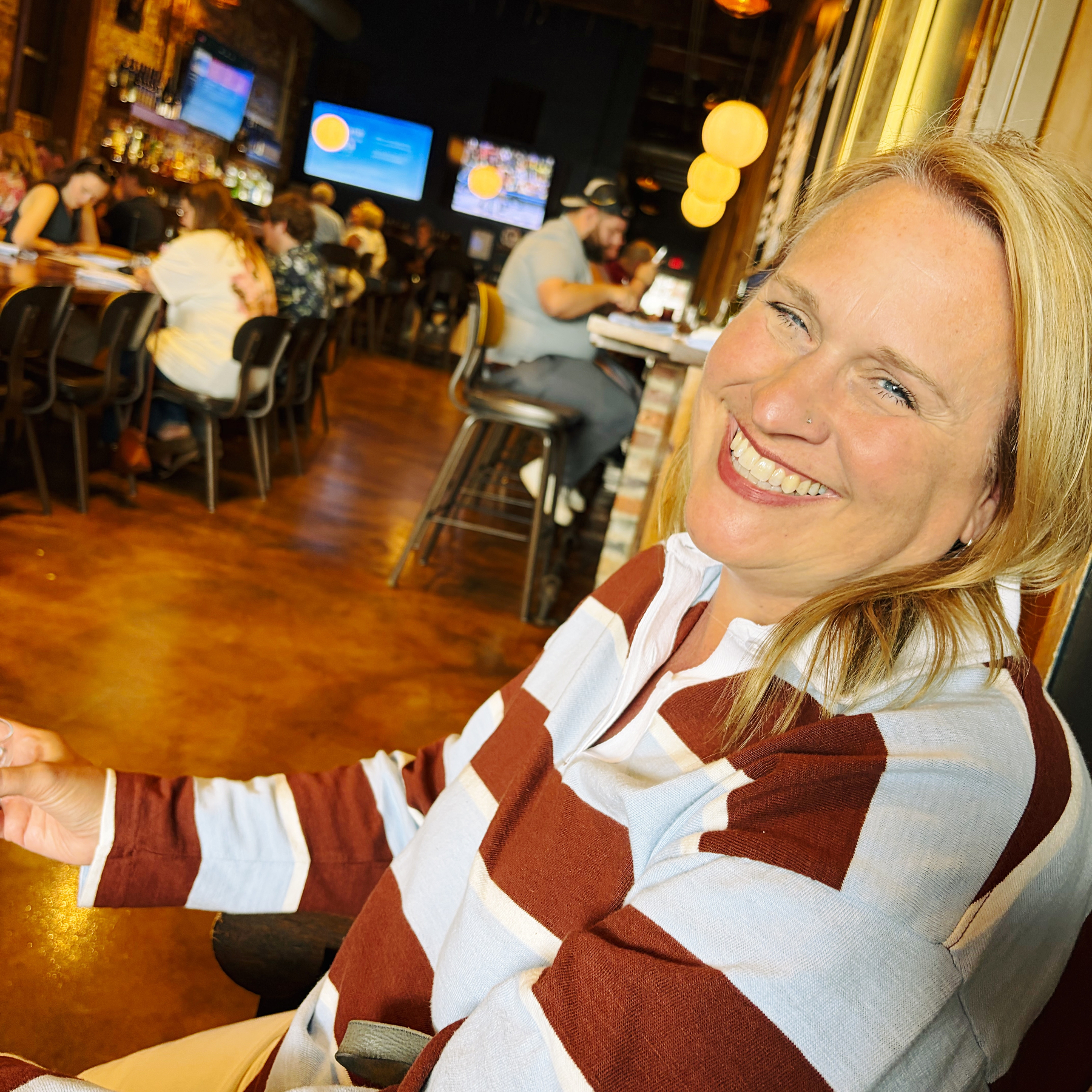
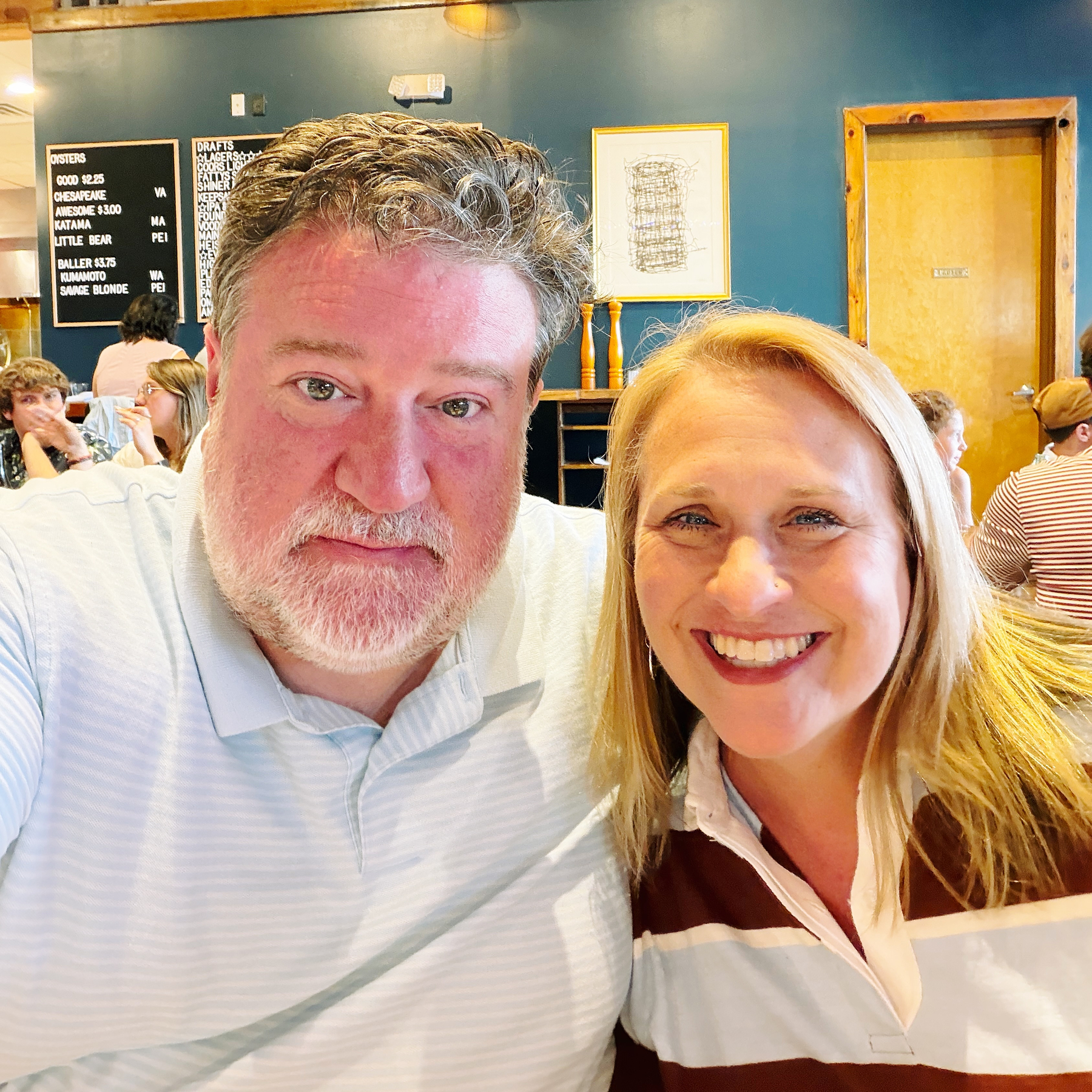
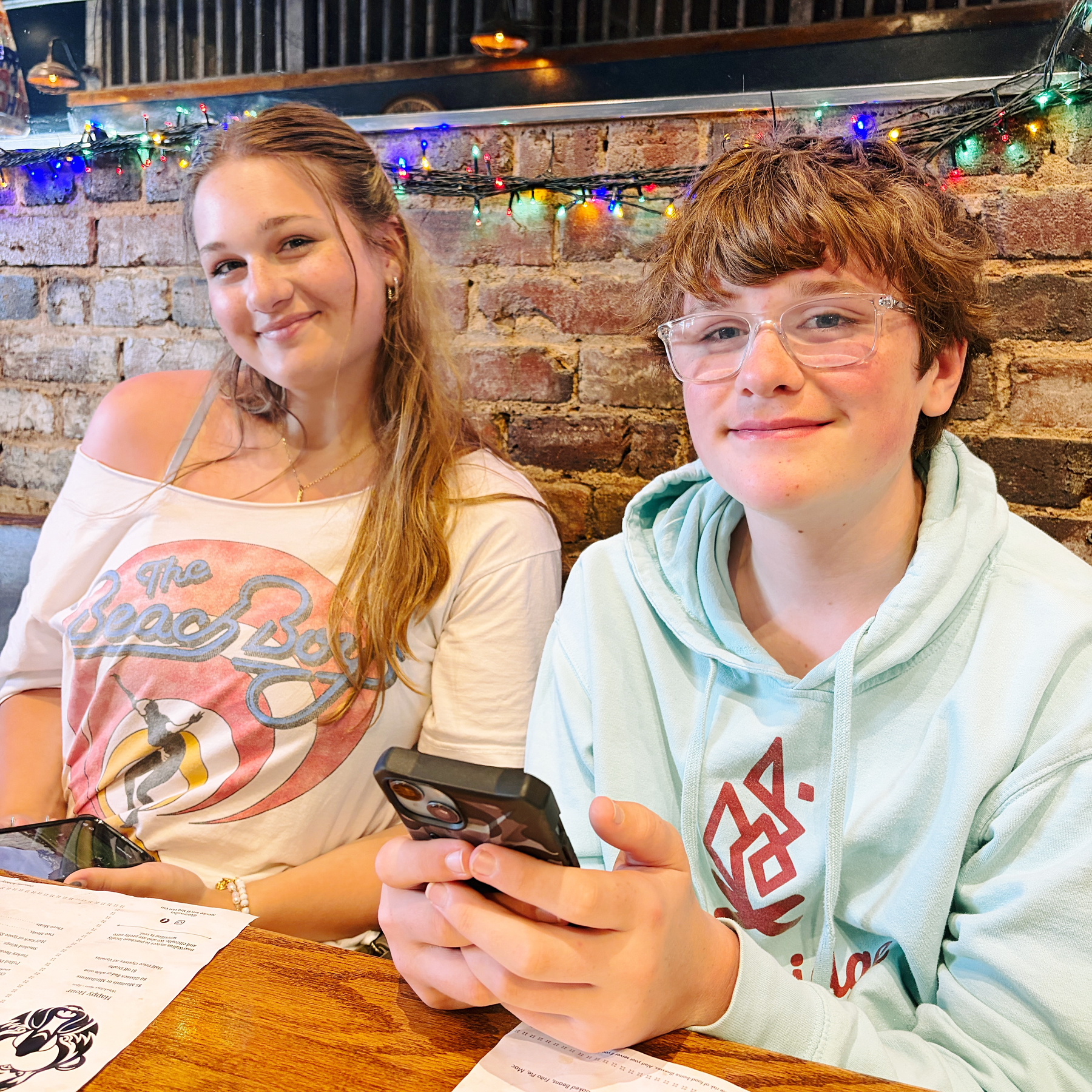
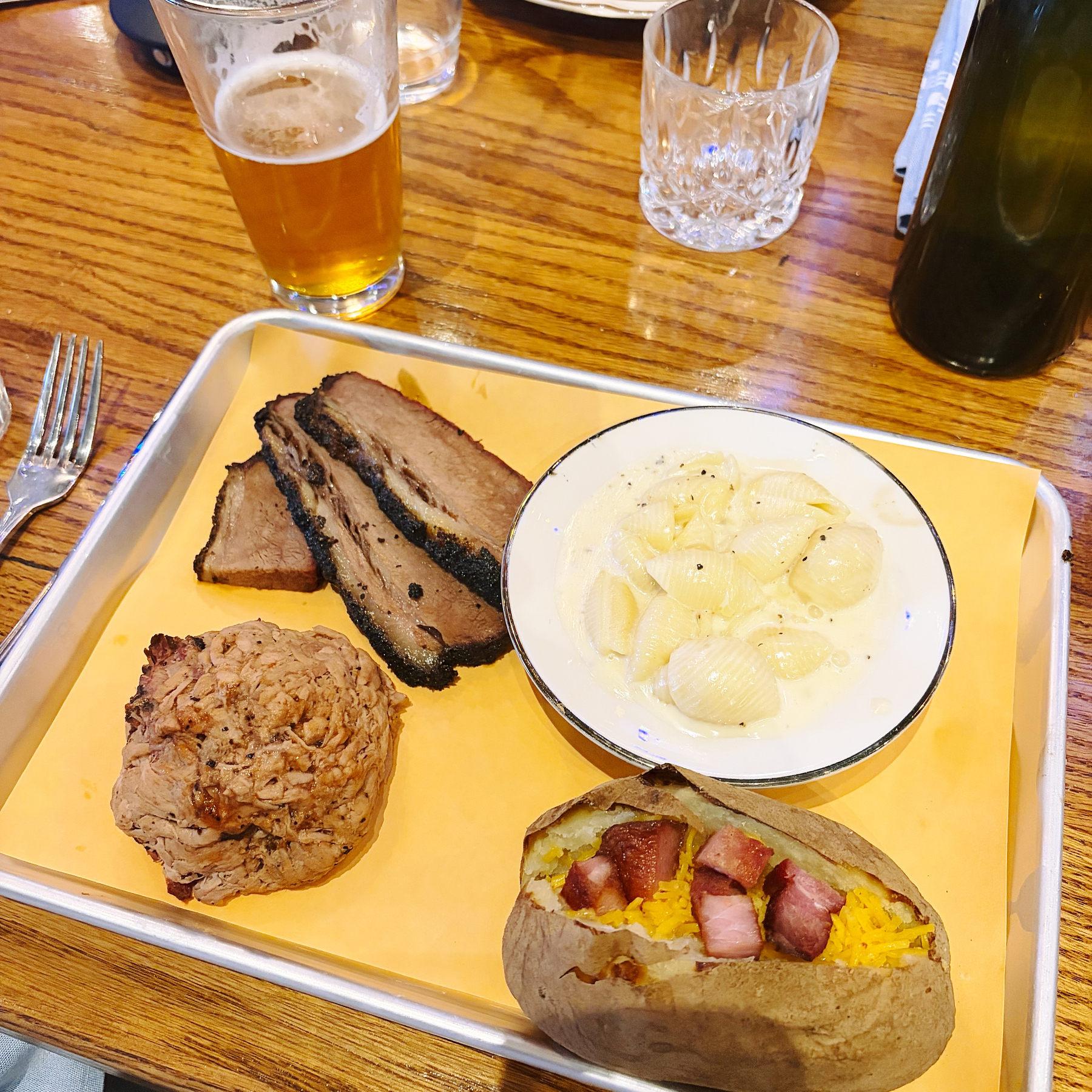
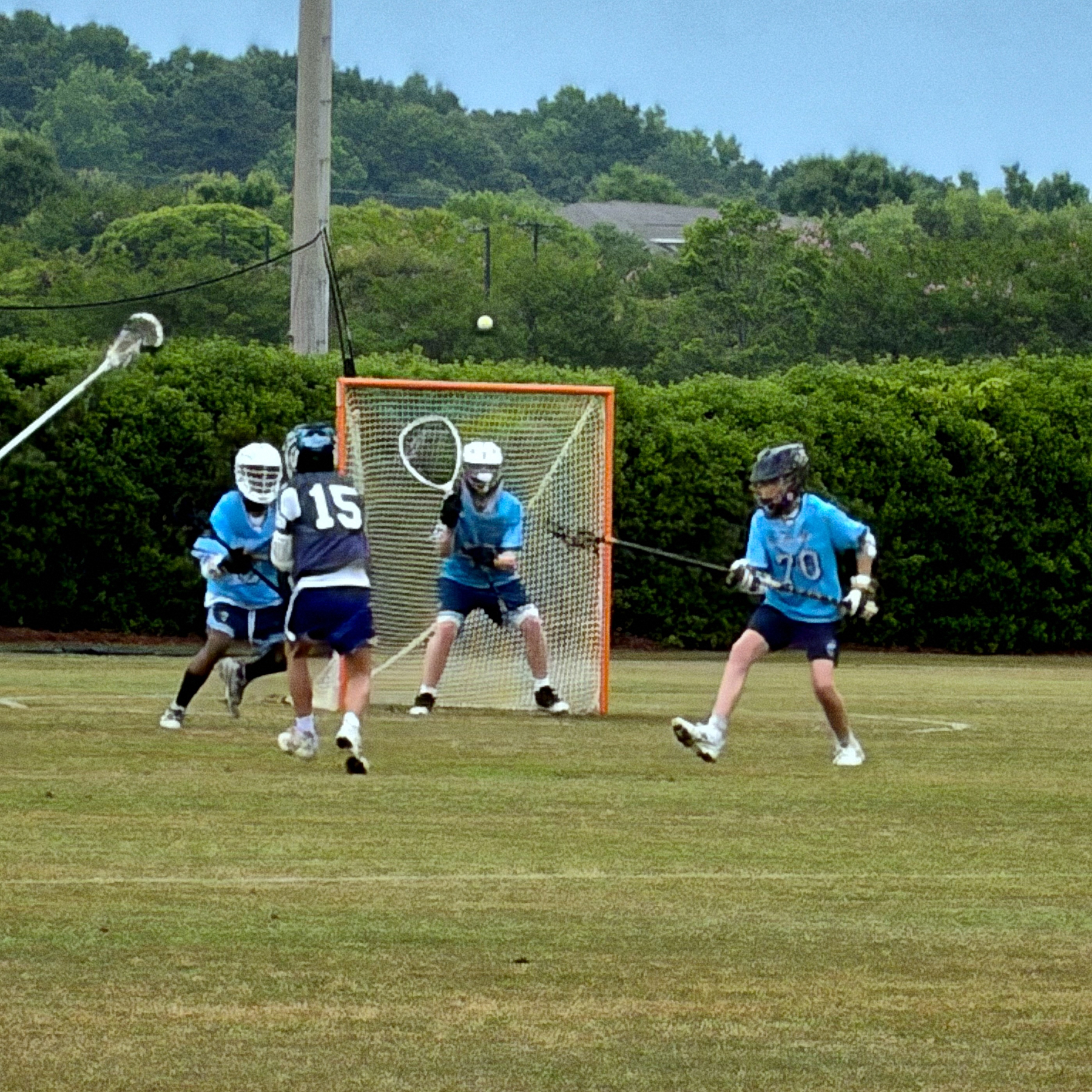
Lacrosse tournament for Ryan in Rock Hill this weekend. Some great saves today.
5/28/26 • 1 min read
I’m proud of my state this week. The South Carolina Senate defeated a reckless redistricting effort, and South Carolina voters have come out in droves for early voting. I wanted to make a shirt on Cotton Bureau to commemorate the hope I’ve felt in the state this week.
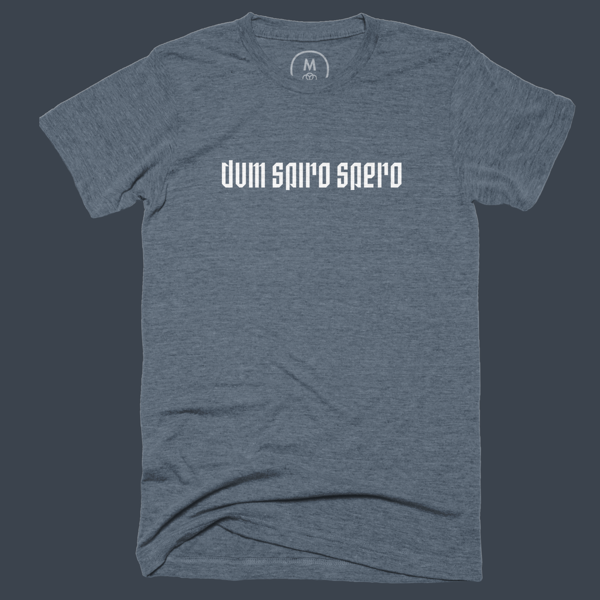
Dum Spiro Spero is the South Carolina state motto — “While I breathe, I hope.”1 It’s a beautiful statement of persistence and determination. Yes, the shirt is in Latin, and yes, that means you’ll have to explain it to people.2 I recommend ordering a nice indigo blue.
If t-shirts aren’t your speed, there will also be an embroidered beanie soon, but the artwork isn’t ready quite yet.
Bob Wertz is a Ph.D. student, typeface designer, and native South Carolinian. He’s been blogging since 2008.
And much better than our unofficial motto. ↩︎
Dum Spiro Spero is typeset in SbB Certiphica Bold, my faux blackletter type design. ↩︎
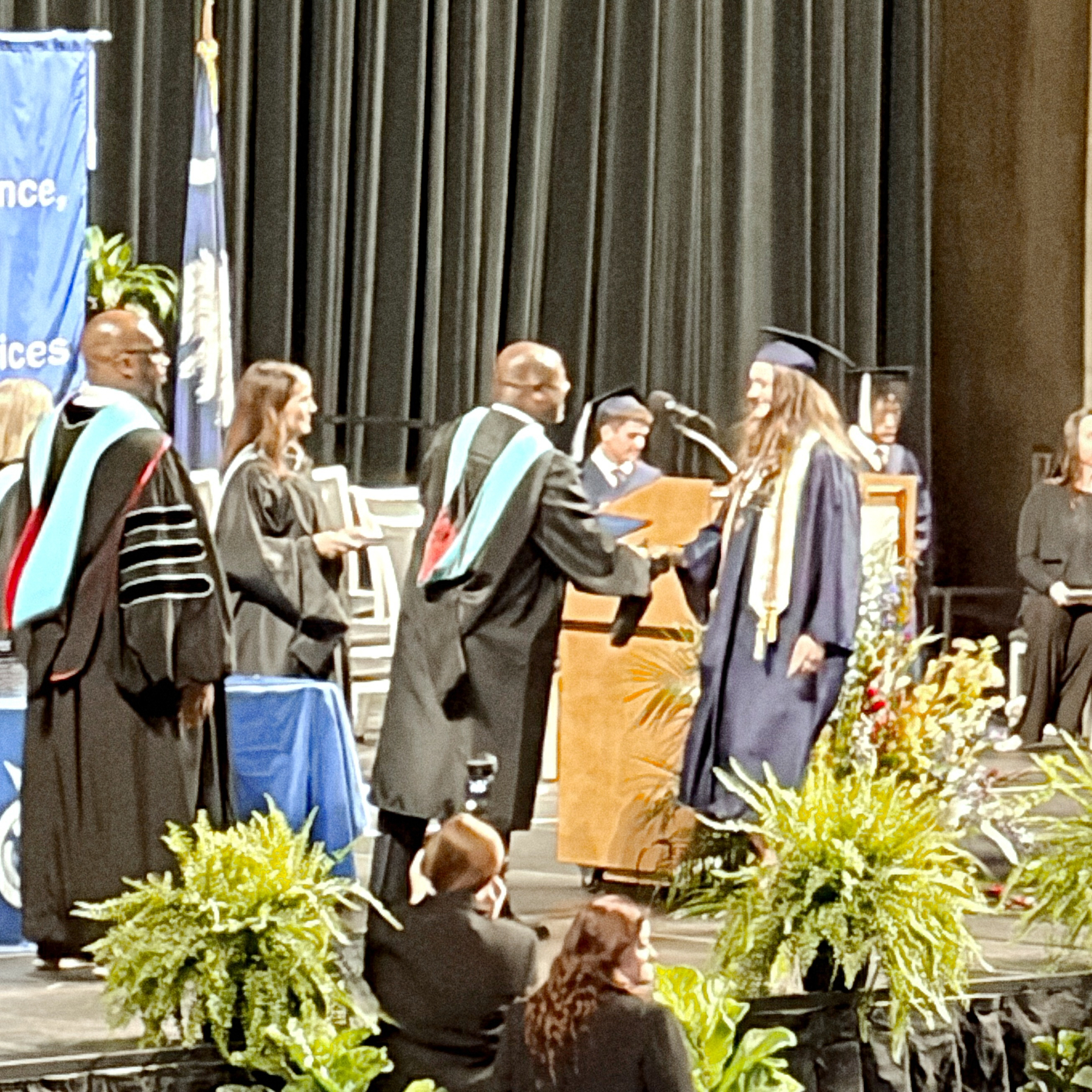
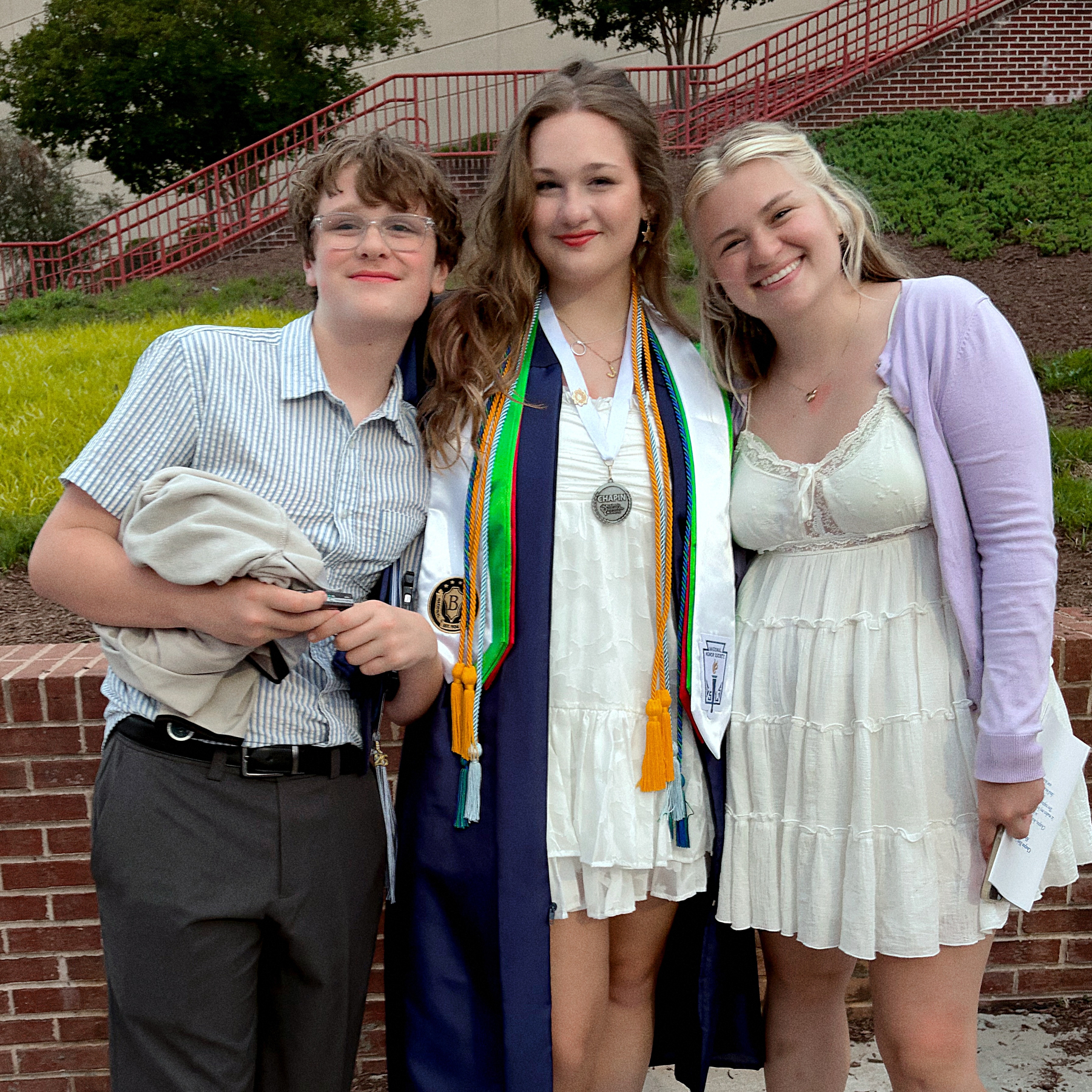
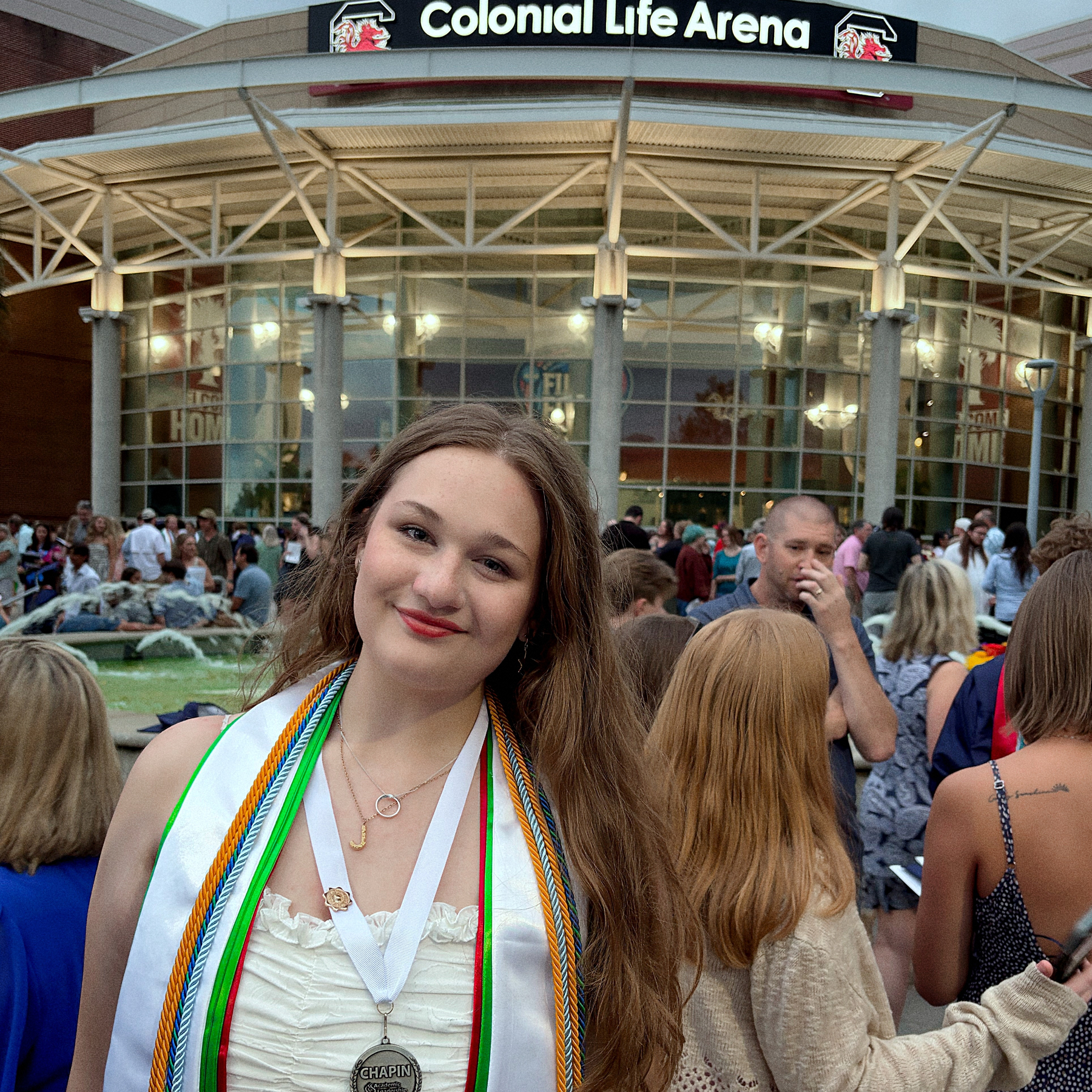
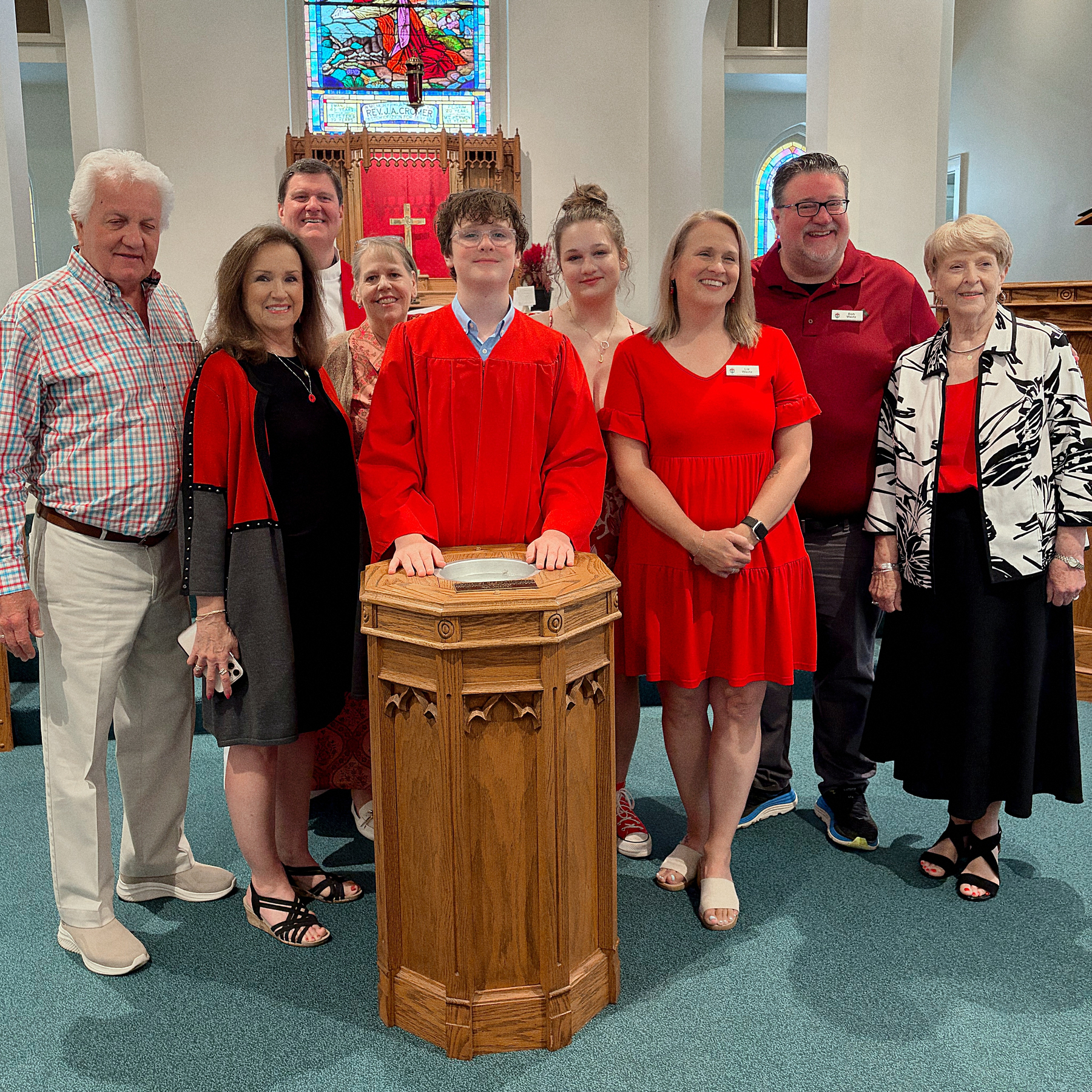
Busy weekend so far for Team Wertz. Jill’s graduation + Ryan’s confirmation.