This blog post about additive and extractive technologies by Cal Newport makes me think about the different tools I use daily. I specifically thought of @manton and some of the choices he’s made with Micro.Blog to be less extractive.
This blog post about additive and extractive technologies by Cal Newport makes me think about the different tools I use daily. I specifically thought of @manton and some of the choices he’s made with Micro.Blog to be less extractive.
Really enjoyed the Fantastic Four. Fun story with great art direction. I adore anything retro futuristic.
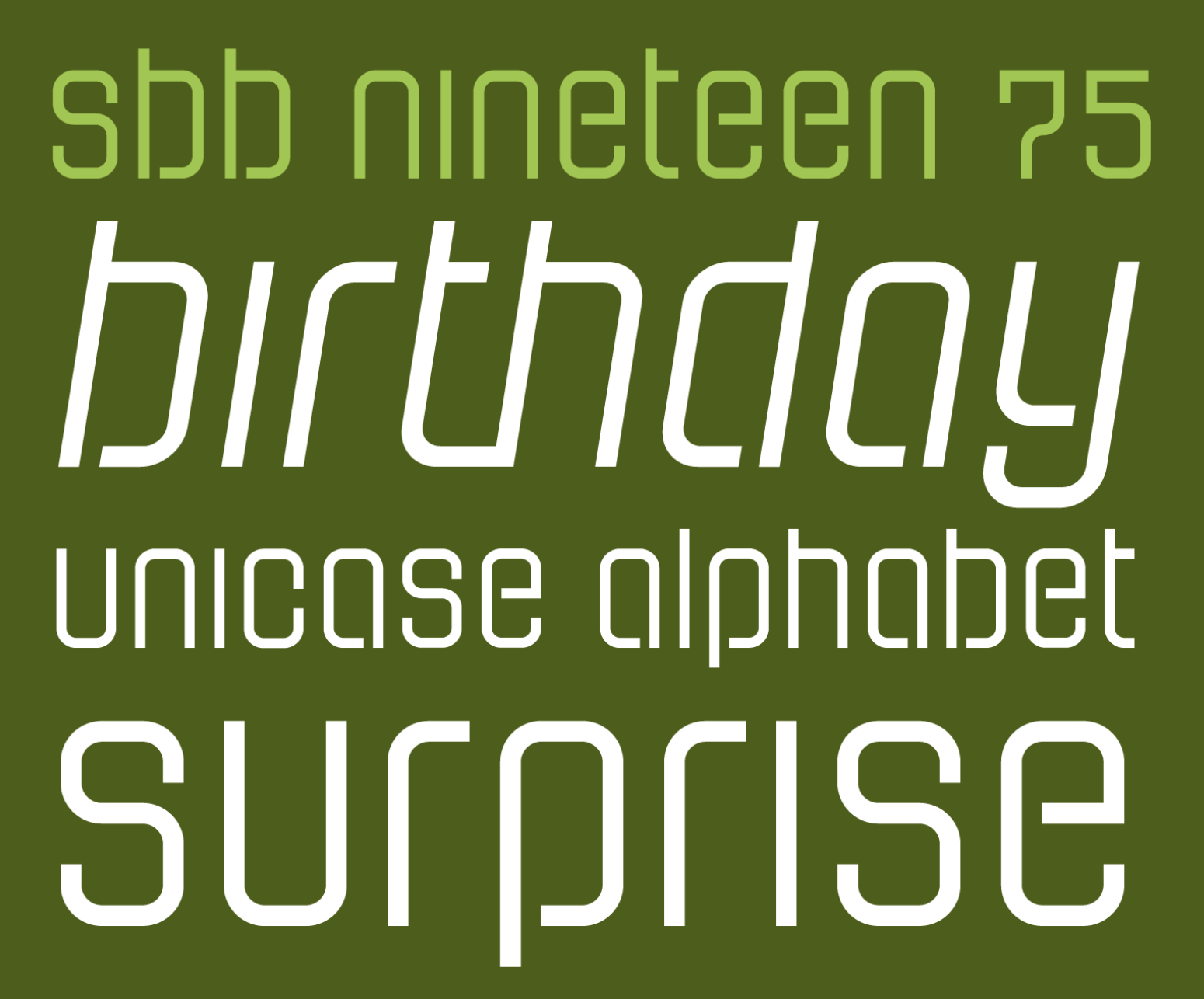
Yesterday I turned fifty. And to celebrate, I released a typeface for free. SbB Nineteen 75 is a fun little faux-stencil display font that is available for free. I had also planned to release a commercial font, but the scheduled release on MyFonts hasn’t happened yet. SbB Certiphica is my blackletter-inspired font that you will soon be able to purchase at MyFonts.
UPDATE: SbB Certiphica is finally available on MyFonts.
Many people won’t pay for fonts — even professional designers. There are so many typeface designs all over the web that you can find with a quick Google search. Many of them aren’t fully featured. Some are pirated. Software like Canva offers many excellent default options. Google Fonts and Adobe Fonts provide high quality options. So I understand why people hesitate to pay for quality type. There is, however, a vast marketplace of unique designs out there and I encourage you to explore beyond what’s already in your font menu.
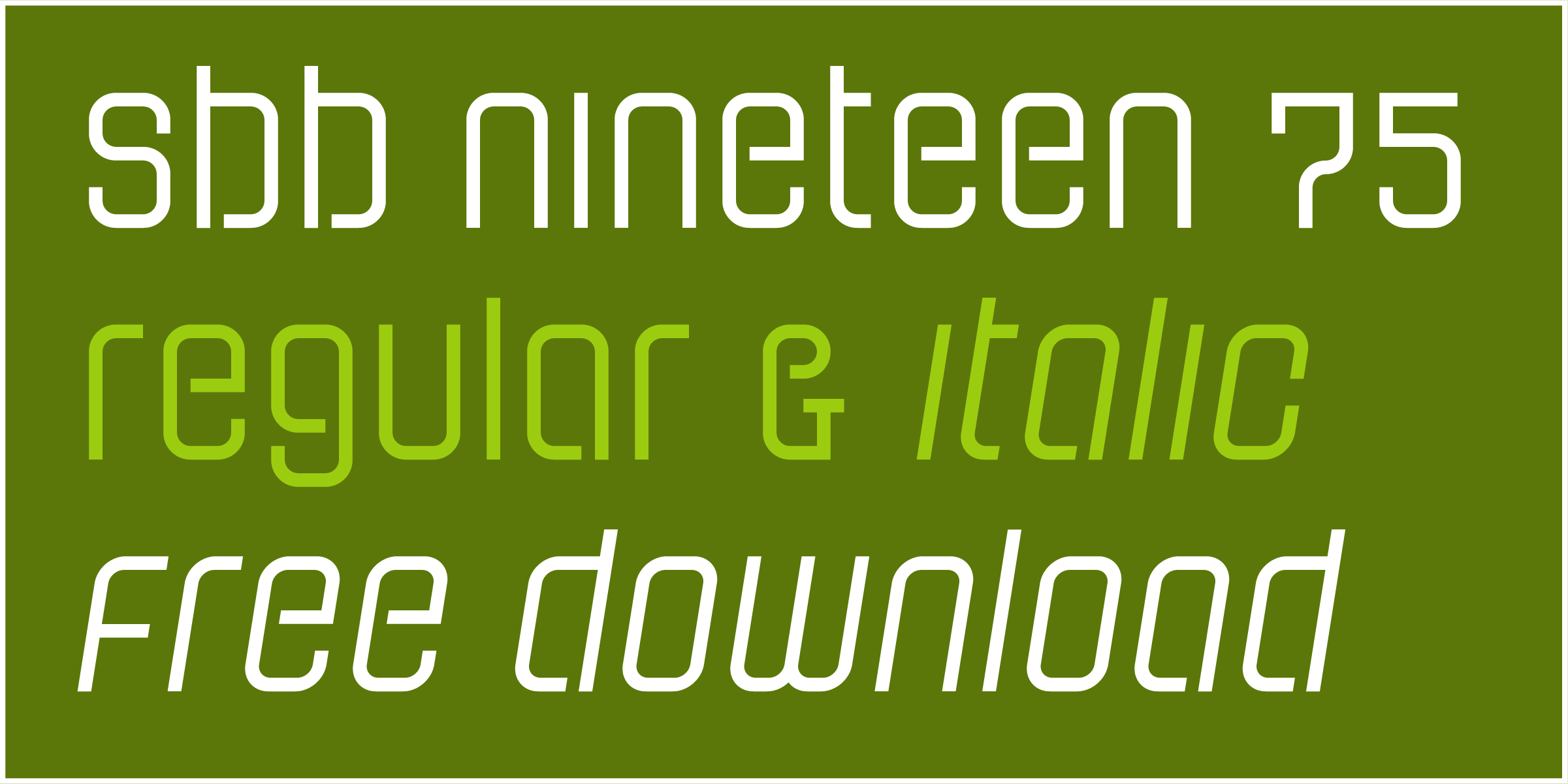
I decided that I wanted to offer a typeface for free in honor of my 50th birthday that had some fun OpenType features. That free font is SbB Nineteen 75. It started life as a random Fontstruct prototype that I felt like would benefit from some additional development in Glyphs. I rebuilt it from the ground up and added an italic version, as well as some fun Opentype features — stylistic alternatives, discretionary ligatures, and a set of random icons.
The end result is a curvy faux-stencil with a vaguely 1970s feel – completely appropriate since I’m celebrating my 50th birthday and I was born in 1975. Why faux-stencil? I channeled some stencil design elements, but it wouldn’t work practically as a real stencil font. (Plus I skipped the stencil cuts on a couple of letters like O and Q because they were more readable without.)
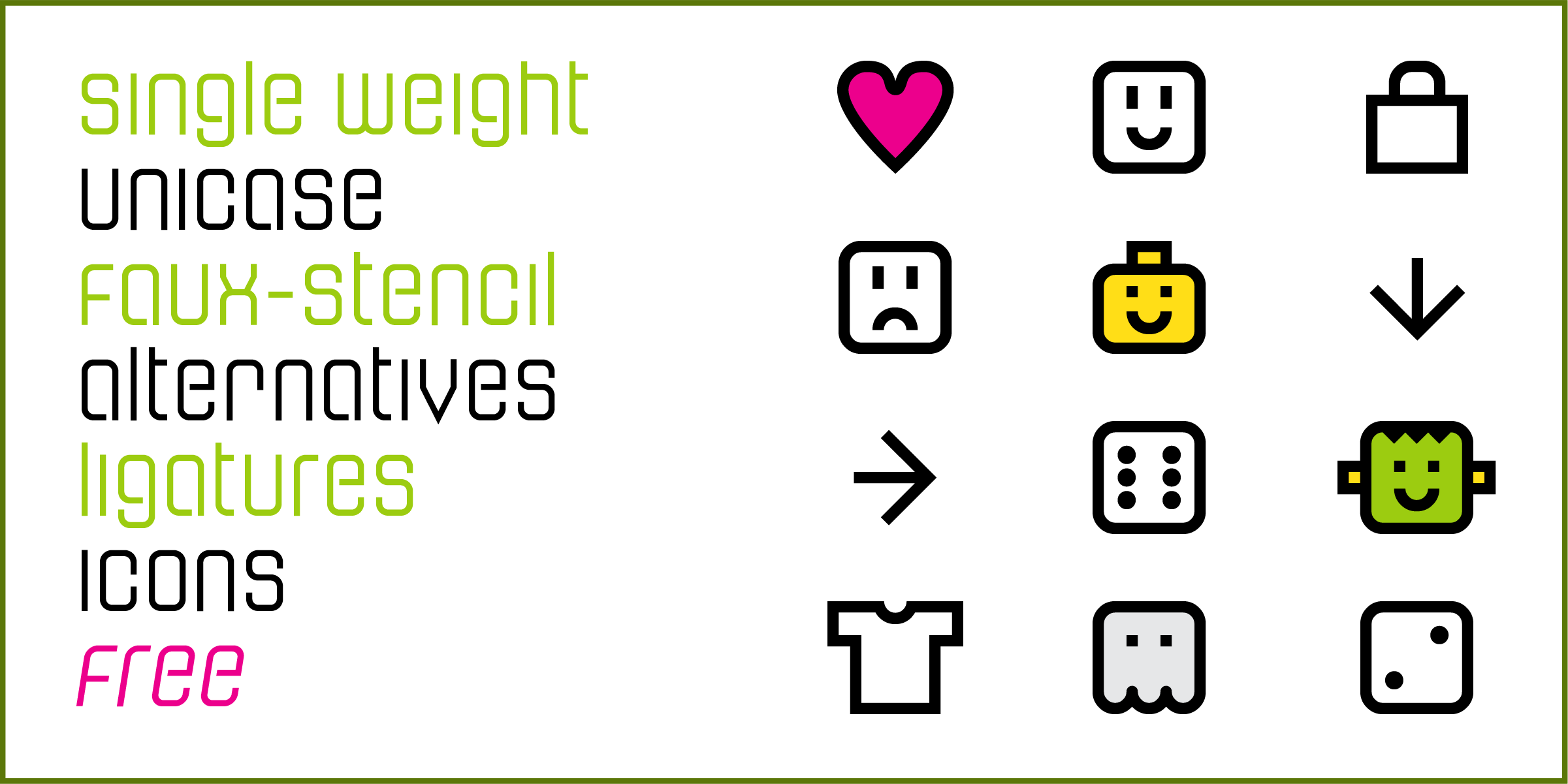
The font is also a unicase design with the same upper and lower case. I’ve become slightly obsessed lately with unicase designs, especially ones that draw more from the lower case. I’ll probably need to write a blog post about that, but I’ll save it for another day.
The stylistic alternatives give some options for a handful of letters. The design of the letter t led to some interesting ligature designs. And I threw in a few fun icons of limited use. I have no idea who will use “Happy Frankenstein,” but I think he’s hilarious and it’s my birthday.
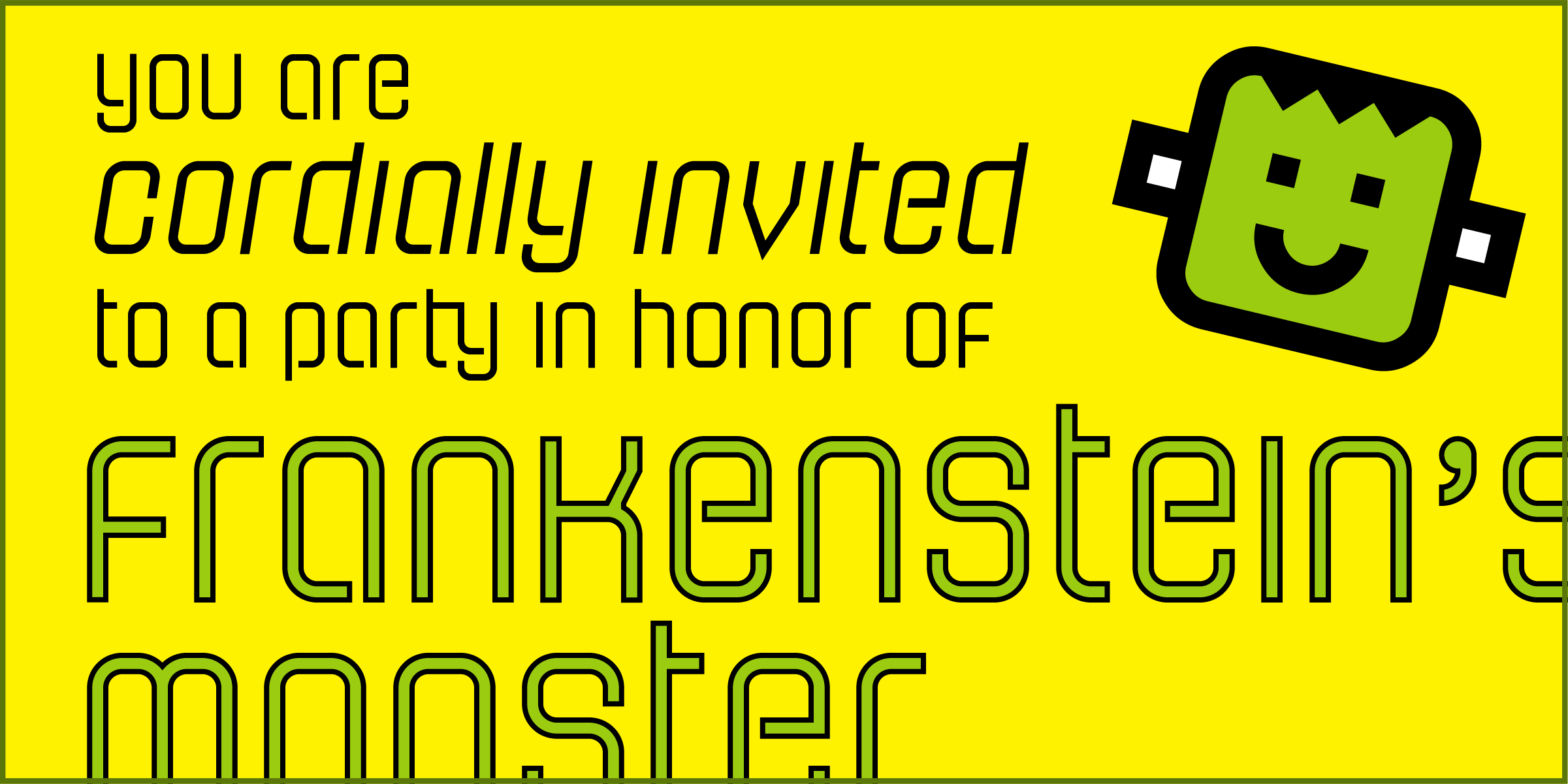
I wanted this font to actually be free so I chose to license this design under SIL Open Font License, version 1.1. Basically it allows you to use it in any project, personal or commercial. You can modify it and redistribute it as long as you offer it on the same terms. I’ve reserved the name SbB Nineteen 75, but other than that, it’s free to use. You can download your free copy at SbB Fonts.
I’m always baffled at the range of uses for blackletter typefaces — from heavy metal bands and newspapers to tattoo parlors and college diplomas. A true blackletter is defined by a calligraphic stroke, and SbB Certiphica isn’t really that. Instead, it takes inspiration from the boldness and compression of blackletter designs to create something modern. It’s a great option for a certificate or diploma where you want the feeling of a blackletter, but without the hundreds of years of baggage.
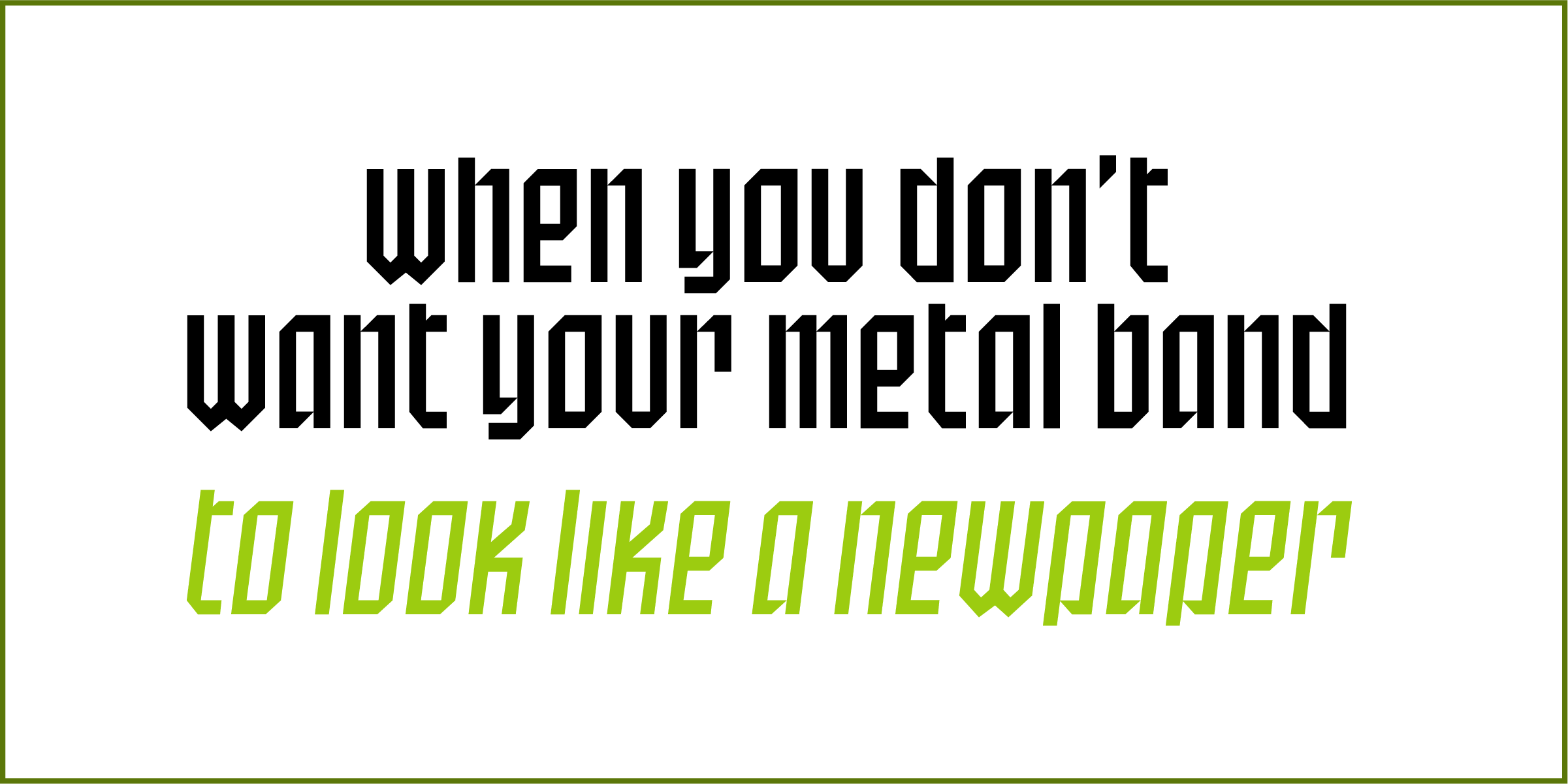
SbB Certiphica comes in three widths and three weights, with an italic version of each. 18 fonts in all. The design is unicase, meaning the upper and lower case are the same.
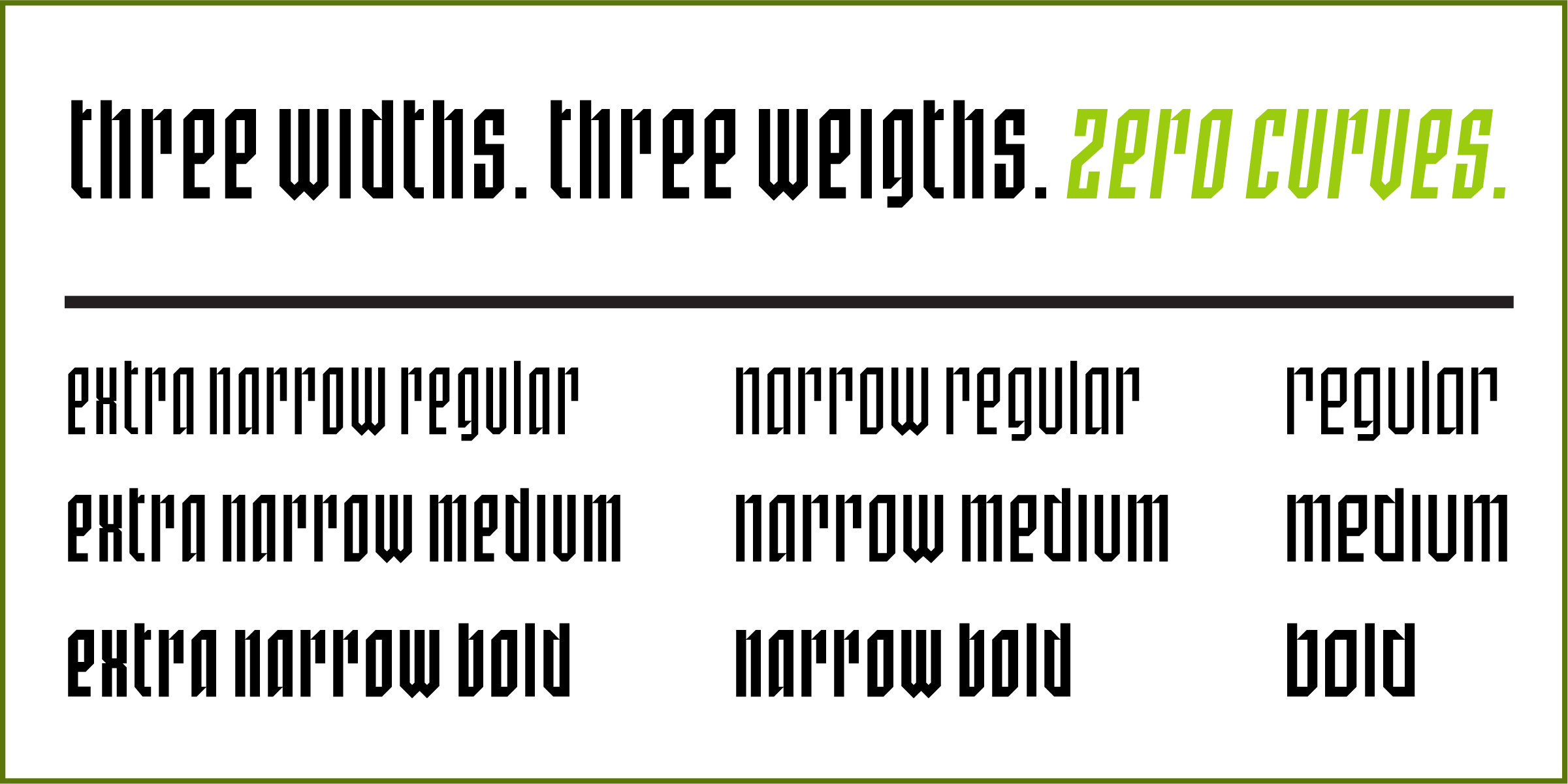
The ascenders and descenders are very short, meaning that you can use extremely tight line spacing to get a dense block of text. When you purchase the family, you also get the variable font that allows you to dial in the exact width, weight and slant that’s perfect for your project.
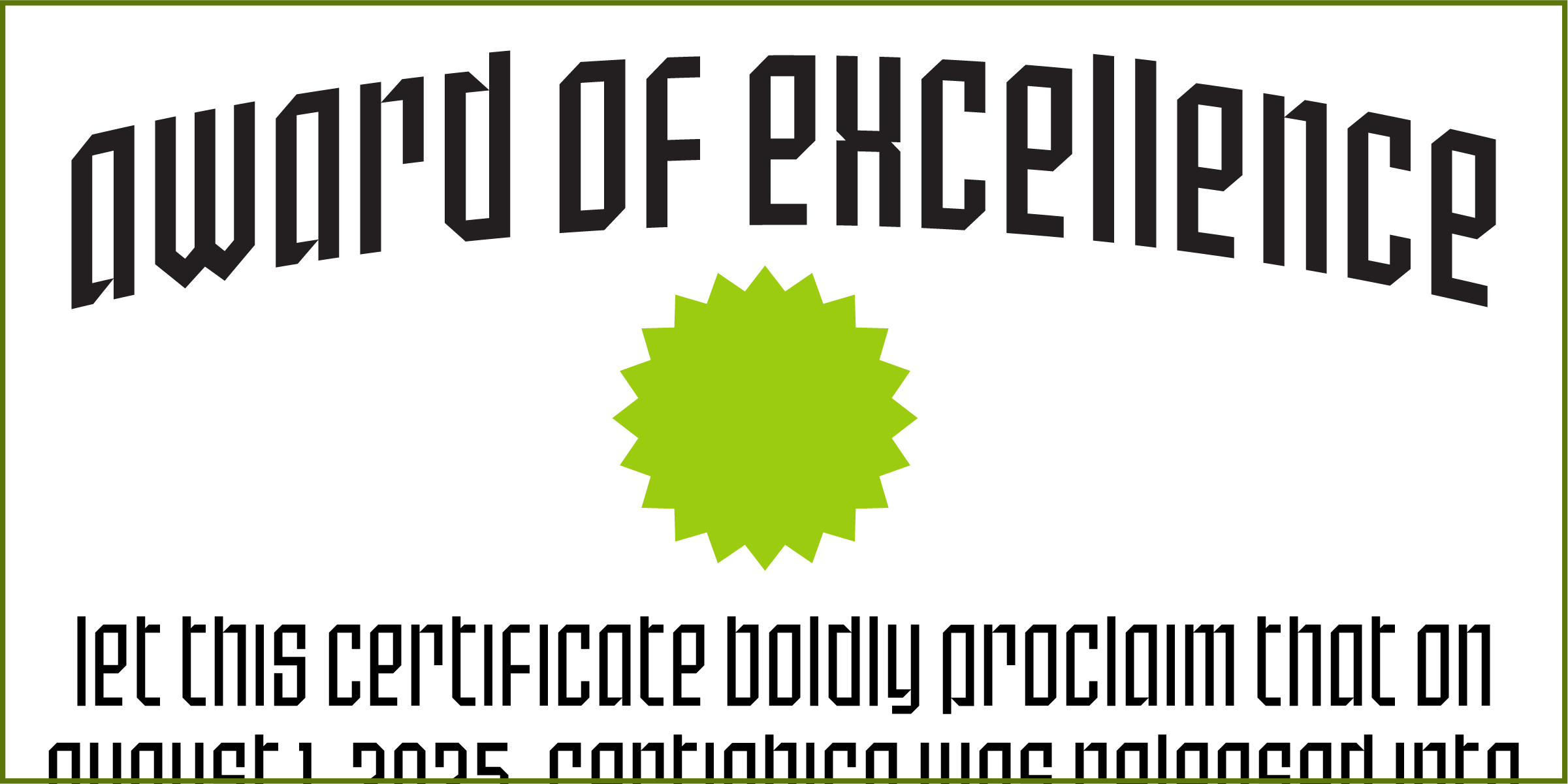
I’m really happy with how Certiphica turned out and hope you all like it, too. I scheduled it to release on Friday on MyFonts, but that didn’t happen for some reason. I’ll update this post when it is available.1 The best deal is to get the entire set plus the variable font for $49.
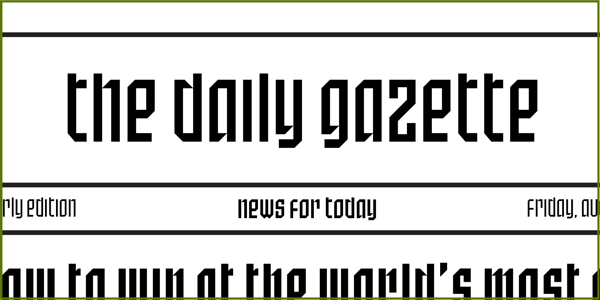
Hope you enjoy SbB Nineteen 75, and if you are in the market for a blackletter-inspired display typeface, check out SbB Certiphica.
Bob Wertz is a type designer, Ph.D. student and researcher living in Columbia, South Carolina. He’s been blogging since 2008.
It was scheduled to be released on August 1. In retrospect, I should have just had MyFonts release it when it was ready a week ago… ↩︎
In honor of my 50th birthday today, I decided to release a free font: SbB Nineteen 75.
Fell asleep after working on a paper for grad school. Just woke up to a nightmare that I’d actually turned it in… And it is NOT ready to be turned in yet. So rough. Anyway, been a while since I had a grad school nightmare. 🤣 I’m going back to sleep.
This paper for my independent study is a mess. I’ve read a lot, and I like where it’s going, but combining everything isn’t going well.
When Liz asked me what I wanted to do to celebrate my 50th birthday, I told her that I wanted to go to a Cubs game in Wrigley. I hadn’t been to Wrigley since 1988 when we moved back to South Carolina. Liz and I decided to make it happen, albeit a week before my birthday. Instead of dropping one image at a time, I figured I’d take more of a photo essay approach.
We dropped our kids off at Lutheridge in Arden, North Carolina. Our oldest is a counselor there and the kids have always been Christmas week campers. Once they were settled, Liz and I hit the road.
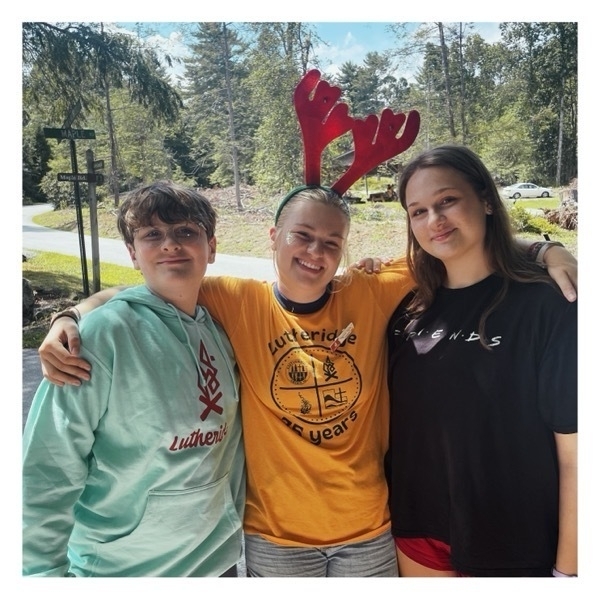
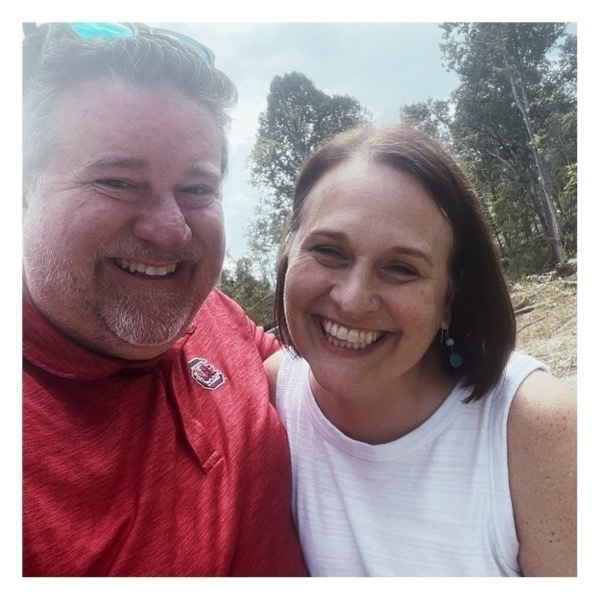
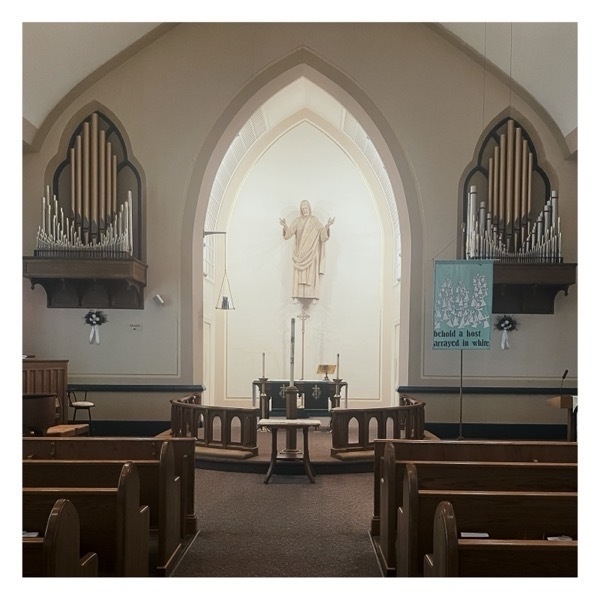
On the way up, we visited Buc-ee’s for the first time and eventually stopped for the night in Indiana. Liz had never seen Batavia, Illinois where I grew up, so that was our first stop. The next day, we got to Batavia around lunchtime and ate in a pub where the grocery store used to be. Spent some time driving around town and got to see our old house and the church that my dad was pastor. Crazy to see how much has changed and how much is still the same.
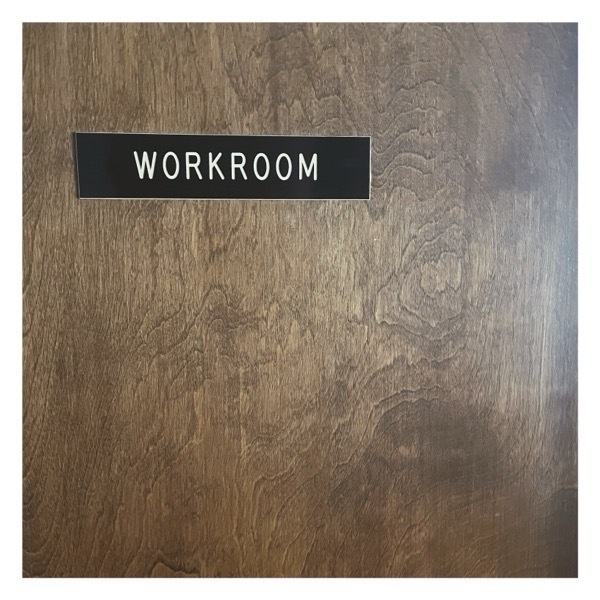
In retrospect, this workroom in the church was a great influence for me, filled with copiers, paper, folding machines. Everything a someday graphic designer might love. The door was exactly the same as I remember it.
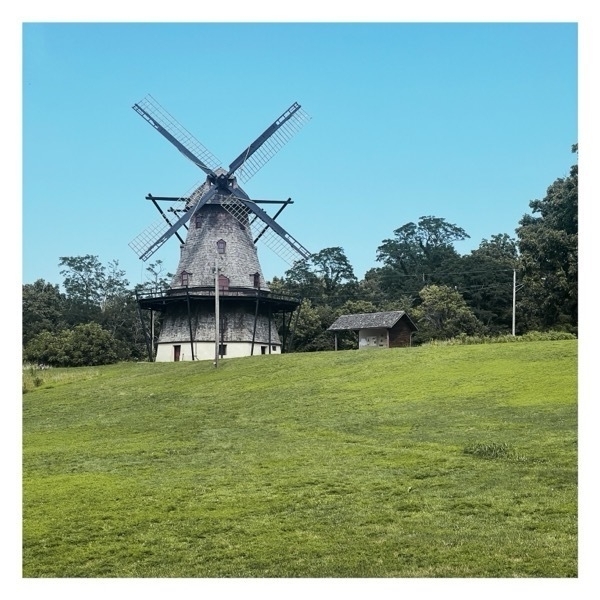
We found the old windmill by the Fox River where we used to go sledding…
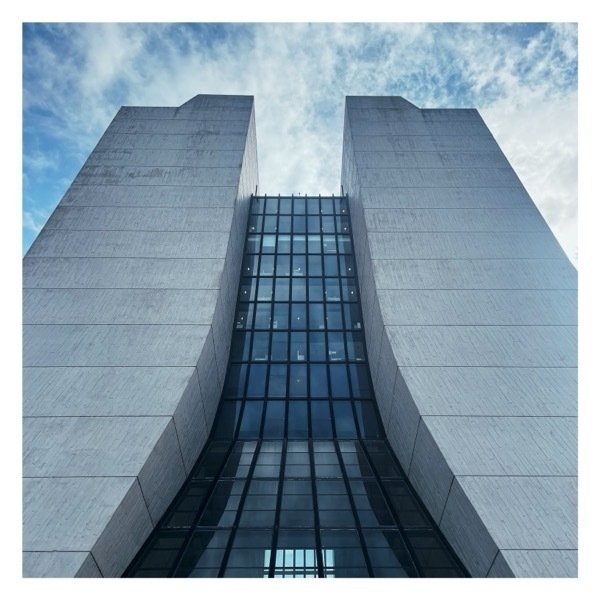
…and even paid a visit to the coolest school field trip location in the world, Fermilab.
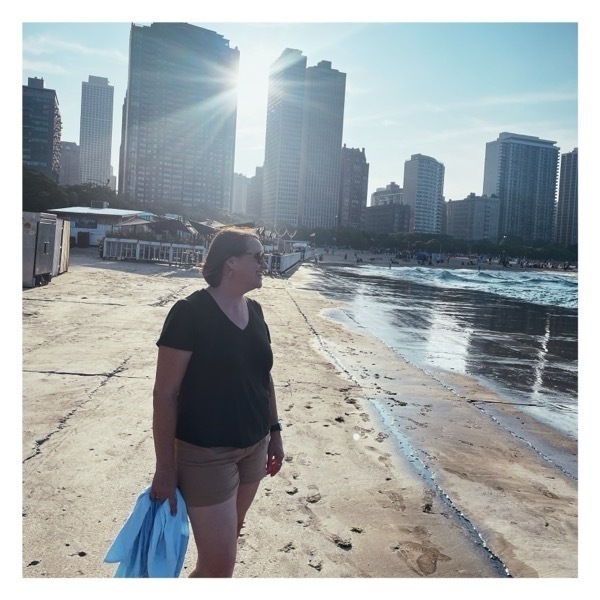
Once we got to Chicago, we walked over to Lake Michigan and Navy Pier.
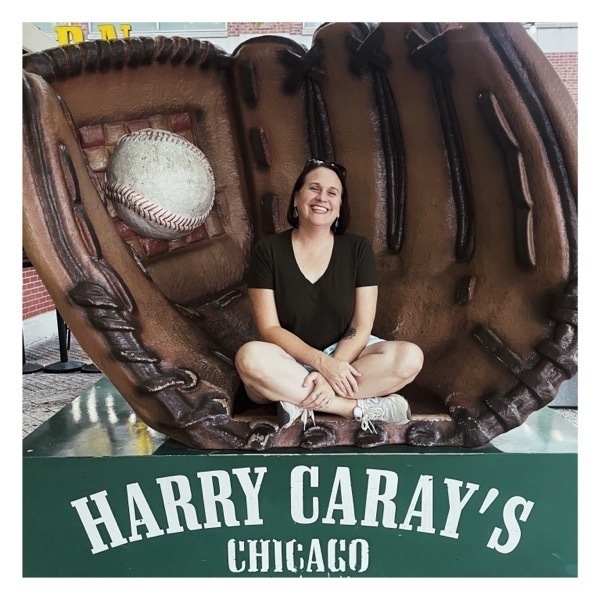
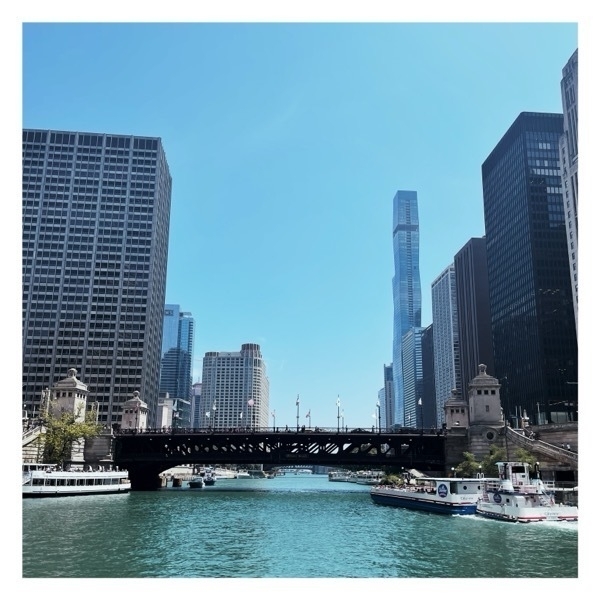
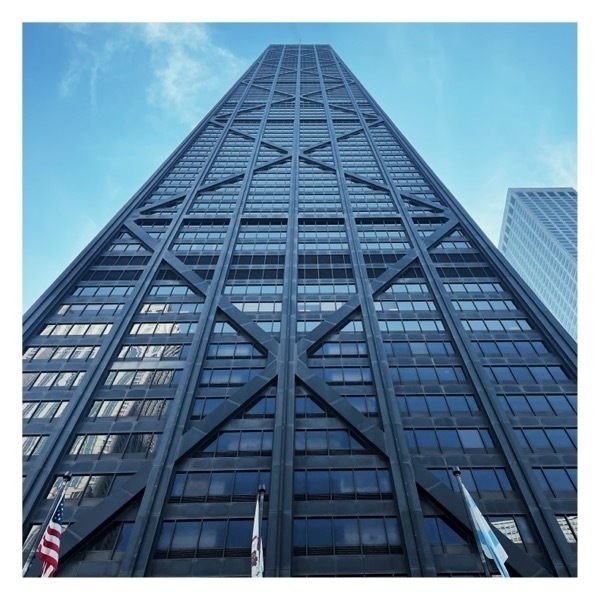
We walked along the Chicago River. And the John Hancock building was a couple of blocks from our hotel. We tried to walk as much as possible, but the heat was pretty bad the last day we were there.
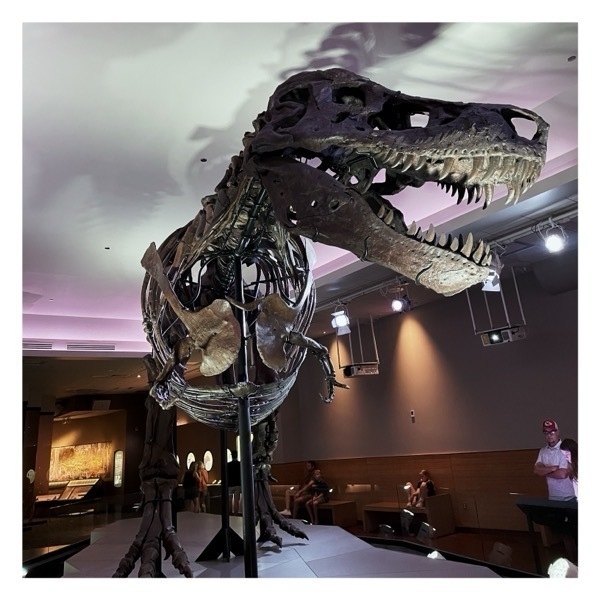
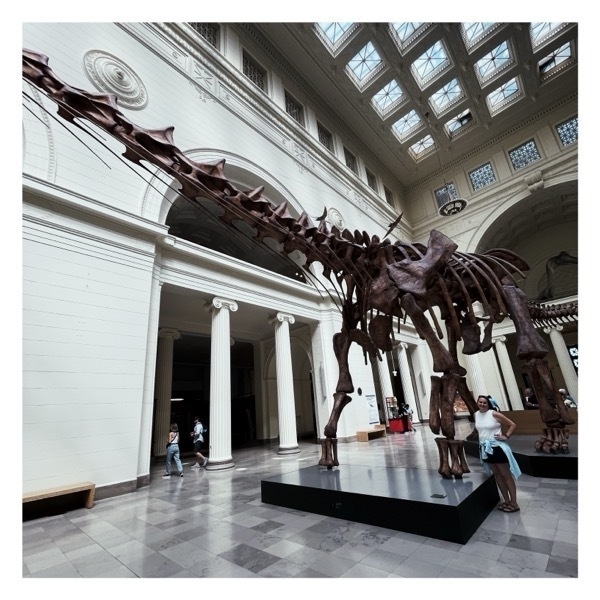
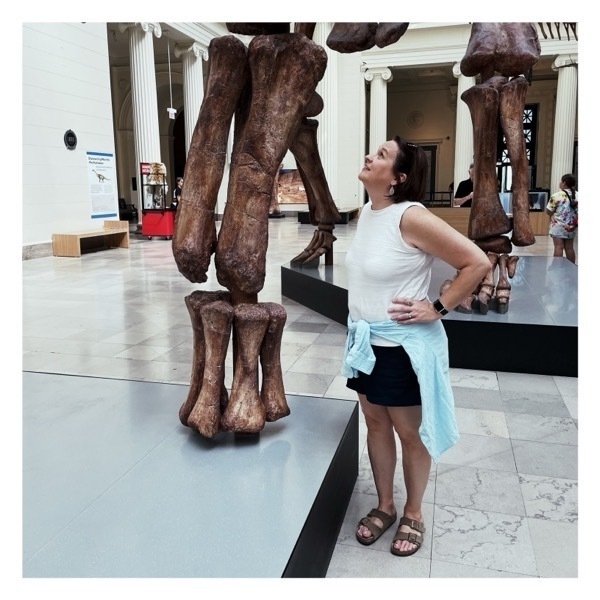
We met a few dinosaurs at the Field Museum. I wanted to visit Sue, the T-Rex. But Liz loved Maximo, the Titanosaurus.
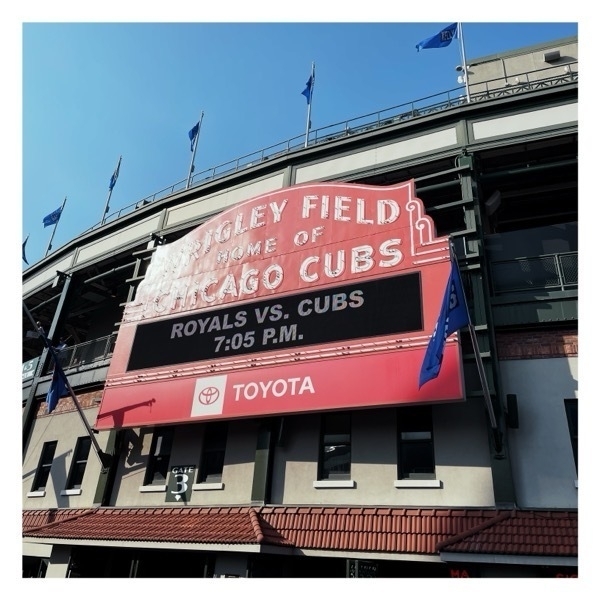
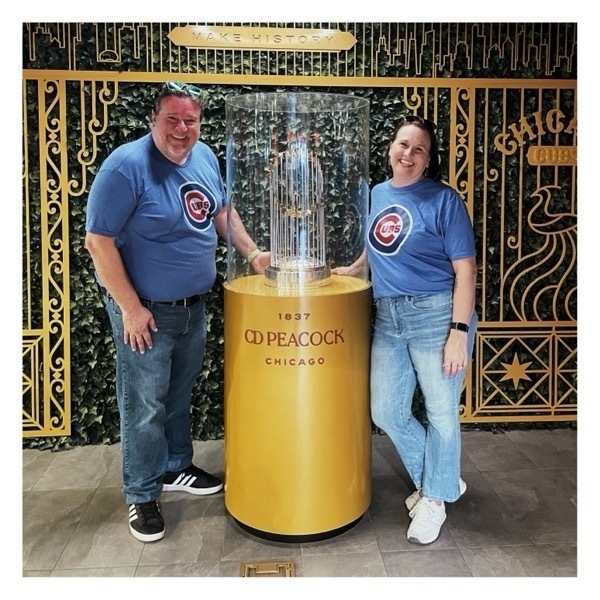
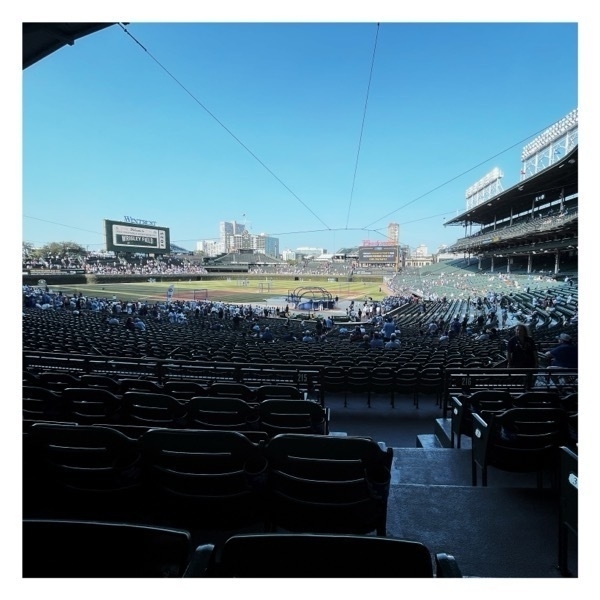
We made it to Wrigley for the Cubs game. I got to see the Cubs beat the Royals 6-0 in a game that included a little bit of everything including Suzuki stealing home.
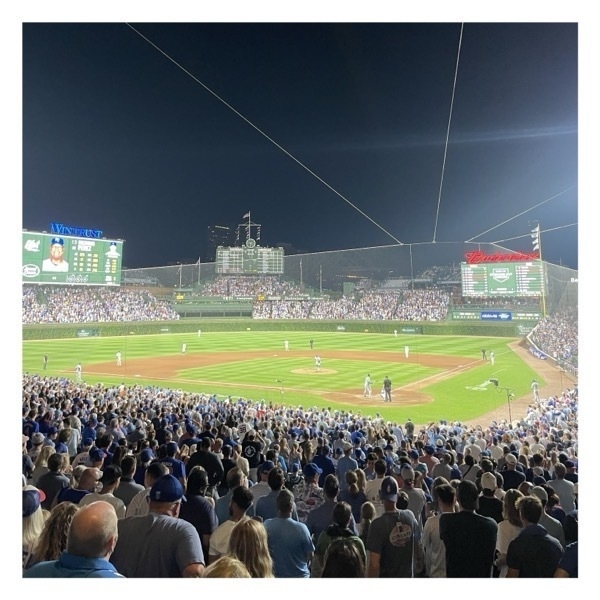
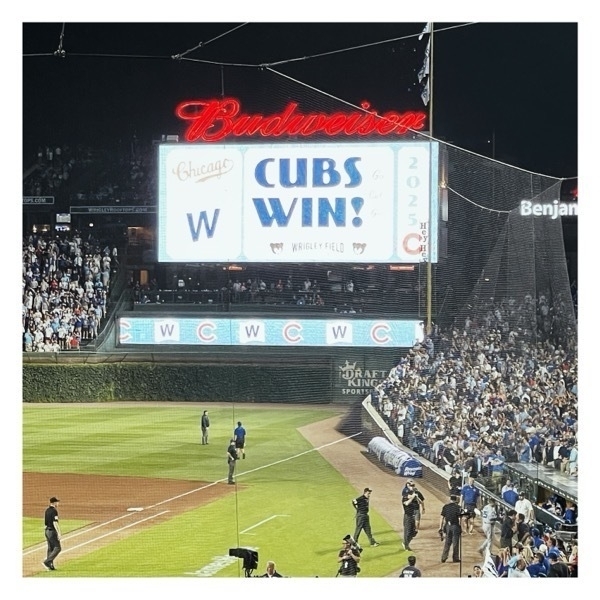
To break up the trip on the way back, we stopped in Lexington, Kentucky and had an amazing dinner at Dudley’s on Short. I’ve never been to Lexington before and it was great.
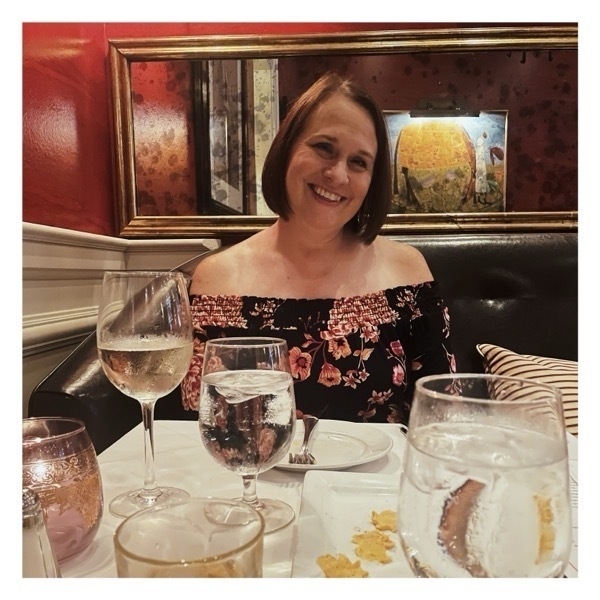
We had a wonderful time, even if road construction threw us a couple of curveballs. Really thankful for Apple Maps, which made some time-saving route recommendations. The kids had a great time at camp. And we’re finally back home.
Next week, we celebrate my 50th birthday for real, but this experience was exactly what I wanted.
Bob Wertz is a type designer, Ph.D. student and researcher living in Columbia, South Carolina. He’s been blogging since 2008.
I really do think there is something to this: How TV Trained Us to Be Conspiracy Theorists.
Years ago when I started selling my typefaces, my goal was to keep prices low. At the time, the prevailing wisdom on MyFonts was to set prices insanely high, then run massive promotions to lower the price to something reasonable. That seemed wrong to me. I just wanted to set the prices low to keep my typefaces affordable. Over the last decade or so, the situation has changed. MyFonts recommends that a single font start at $20. Apparently, if I set my prices too low, MyFonts won’t promote them. Subscription services are further complicating the pricing structure.
Setting prices for any artist is challenging, but I’ve noticed over time that most artists initially set their prices too low. I think I’ve fallen into that trap. I’m working on a new release right now1 and I’ve decided that I need to finally shift my pricing strategy. On August 1, 2025, the prices for all Sketchbook B fonts will increase. Single fonts will be $20. Small families will be $39. Large families will be $79. This increases them significantly from their current prices, but brings pricing more in line with the industry standards.
To provide a transition — and because August 1 is my 50th birthday — I’m going to run a 30% off promotion for the month of August.
Bob Wertz is a type designer, Ph.D. student and researcher living in Columbia, South Carolina. He’s been blogging since 2008.
I’ll also have a couple of birthday-related font announcements coming soon. ↩︎
We got some breakfast Hot Pockets and they no longer ship with a paper “crisper” sleeve, instead recommending an air fryer for a crispier crust.
Excited that Cotton Bureau has finally added custom stickers. I added a few sticker designs, including my old film camera stickers.
Me: I really need to wrap up this paper on deprofessionization in the design industry so I can move on to working on my dissertation.
Also me: Digging FOUR papers out from past classes that I never did anything with and revisiting them.
Waking up to big F1 news. Christian Horner out at Red Bull. I guess losing to Nico Hulkenberg at Silverstone was the last straw. Is Max now more likely to leave for Mercedes? Less likely?
I mentioned a couple of days ago that I was playing around with some new-to-me features and bricks in Fontstruct. After I finished SbB Roundabout1, I decided those techniques would work really well on a symbol font. So I started playing around with building a couple of little faux emoji. Then decided that I needed to add some color. And before long, I’ve built an adorable set of icons in Fontstruct… SbB Emote.
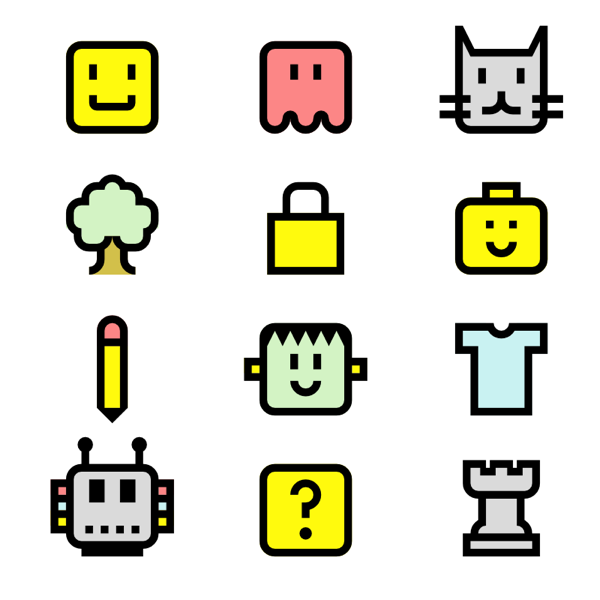
I don’t know which my favorite is – either the robot or the minifig-inspired smiley. “Happy Frankenstein” is a classic, too. In total, the set has 63 glyphs. The build used over 140 different blocks and 6 colors. It’s probably the most complex Fontstruction I’ve made, since I normally like to keep it really simple.
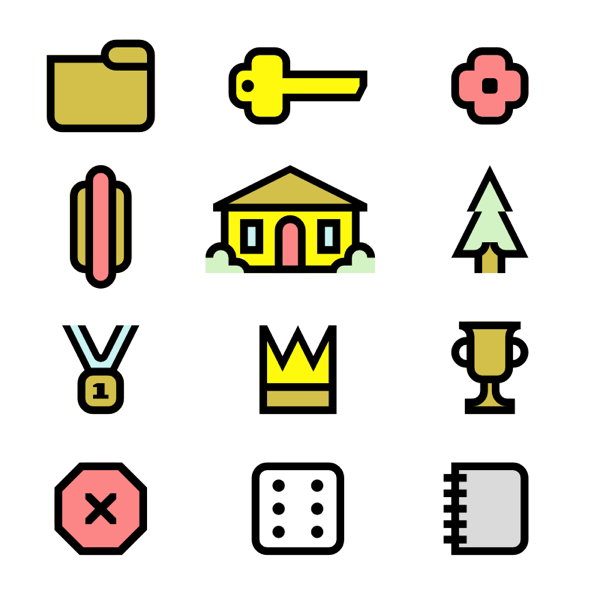
One cool side effect of using the techniques and blocks from SbB Roundabout is that the two designs work really well together.
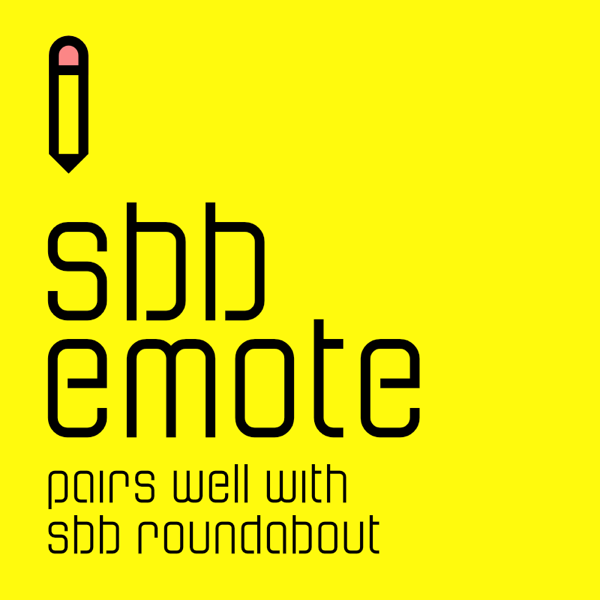
I think I’m at a stopping point for the time being. I’ll be honest, I really need to be working on my dissertation and independent study. But I’ve got some ideas for characters I could have drawn… so you never know when I’ll revisit the font. I’m still not sure what to make of color fonts, but I could see how a custom icon font could be useful.
I think you have to be a patron on Fontstruct to download color fonts, so most of you won’t be able to download SbB Emote, but SbB Roundabout is free to download with an account.
Bob Wertz is a type designer, Ph.D. student and researcher living in Columbia, South Carolina. He’s been blogging since 2008.
Now a “Top Pick” on Fontstruct. And by the way, I’m going to need a new name for Roundabout. It’s taken. ↩︎
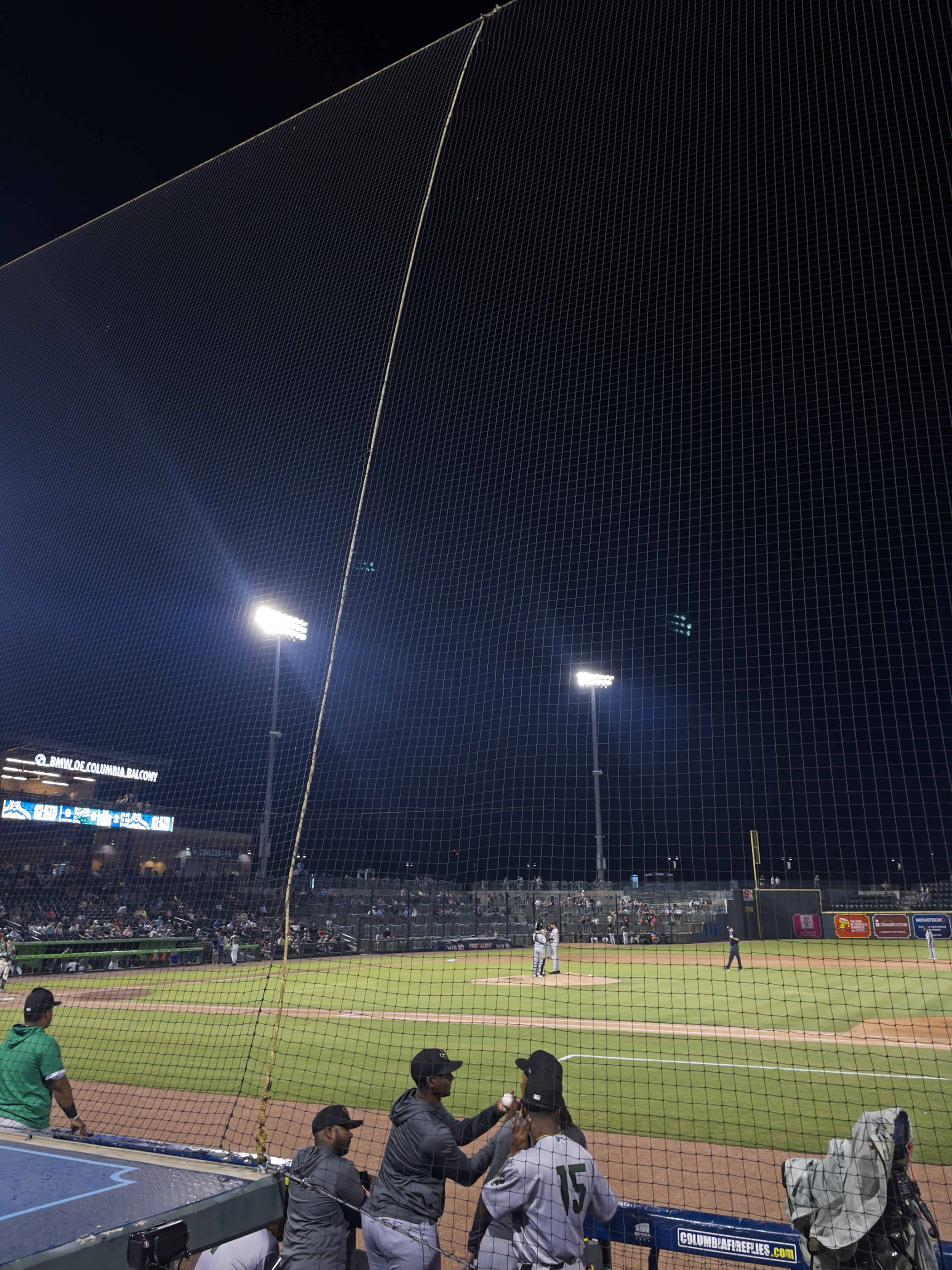
I’ve been playing around with Adobe’s Project Indigo computational camera app recently. I’ve got an old, but completely functional iPhone 12 Pro. Tonight at a minor league baseball game, while we were waiting for the game to end and the post-game fireworks to begin, I decided to try Project Indigo out in some challenging light. First, from our seats on the first base line, I took a shot with the iPhone’s stock camera app:
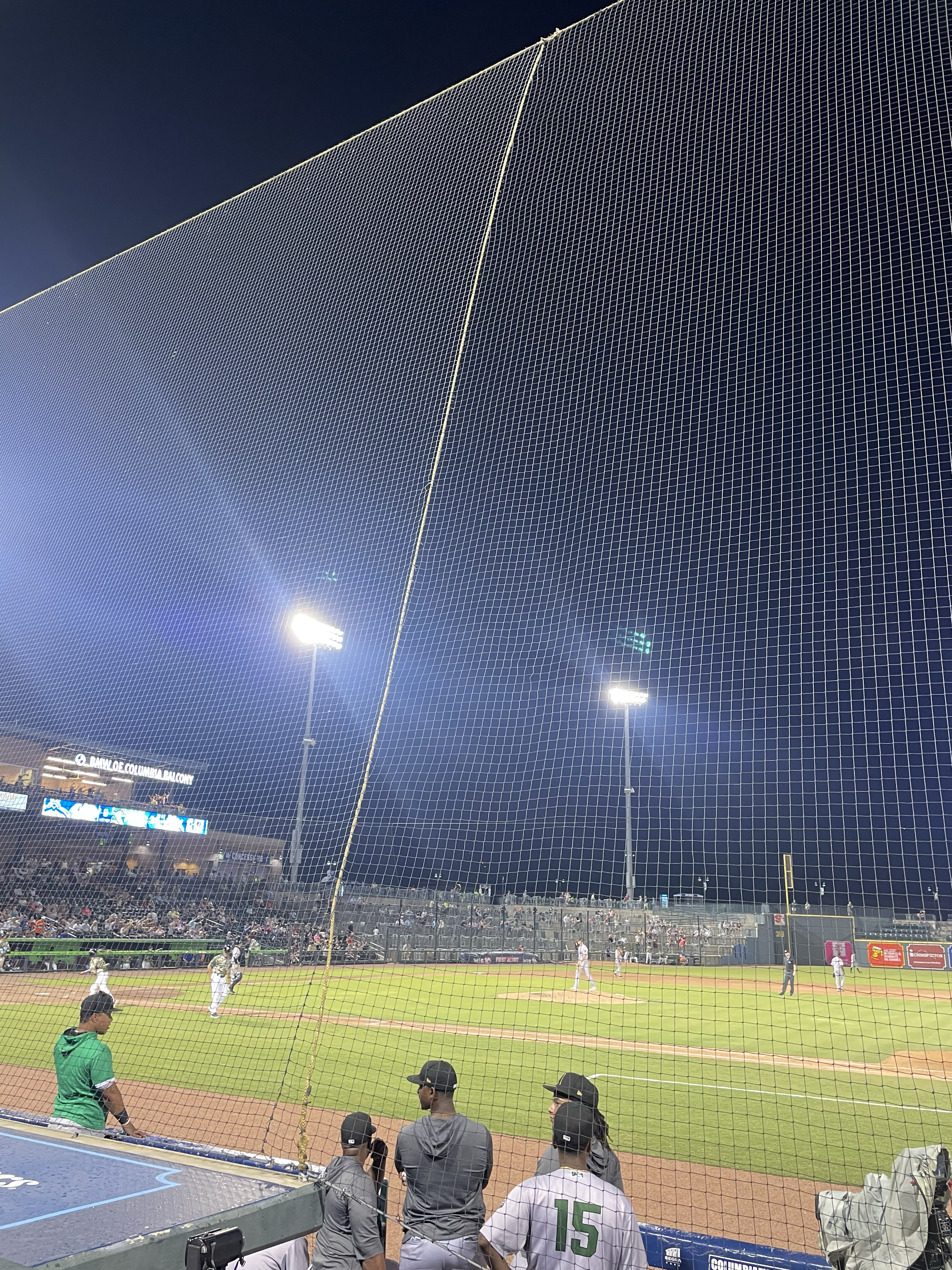
The shot’s fine, but it’s clear the net was an issue. The iPhone processing made it seem far more prominent than it really was. I then tried to take the exact same composition with Project Indigo:
This looks a lot closer to reality. It handles the sky and the net better. You can’t really tell from this upload, but detail is much cleaner with fewer artifacts. Project Indigo is still slow to process and occasionally overheats your phone, but in the right situation, it’s a great option.
Your mileage may vary, especially if you have a newer, more capable iPhone. But if you are trying to capture an image in some challenging light, give Project Indigo a shot.
Bob Wertz is a type designer, Ph.D. student and researcher living in Columbia, South Carolina. He’s been blogging since 2008.
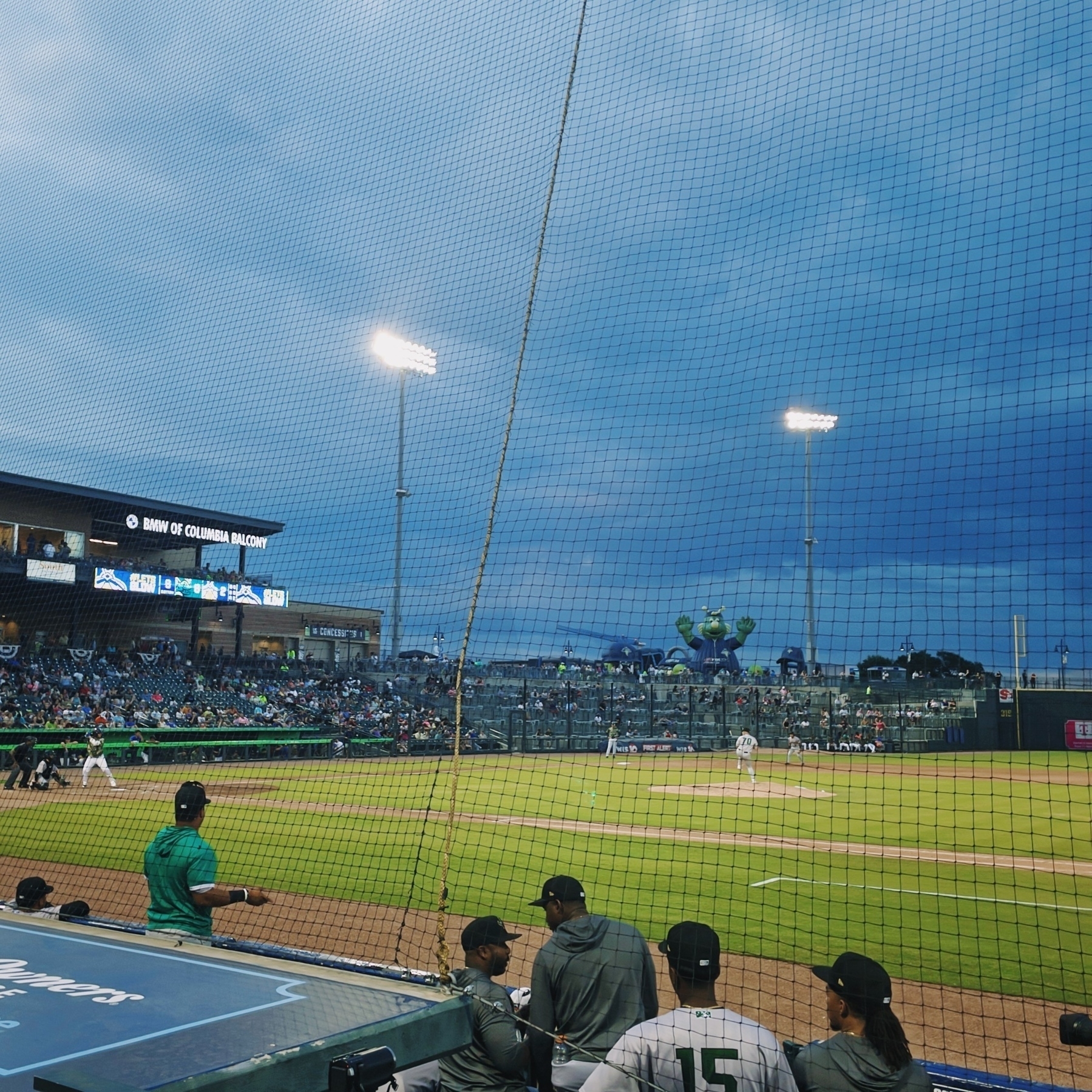
Fireflies baseball. A beautiful night to catch a minor league game.
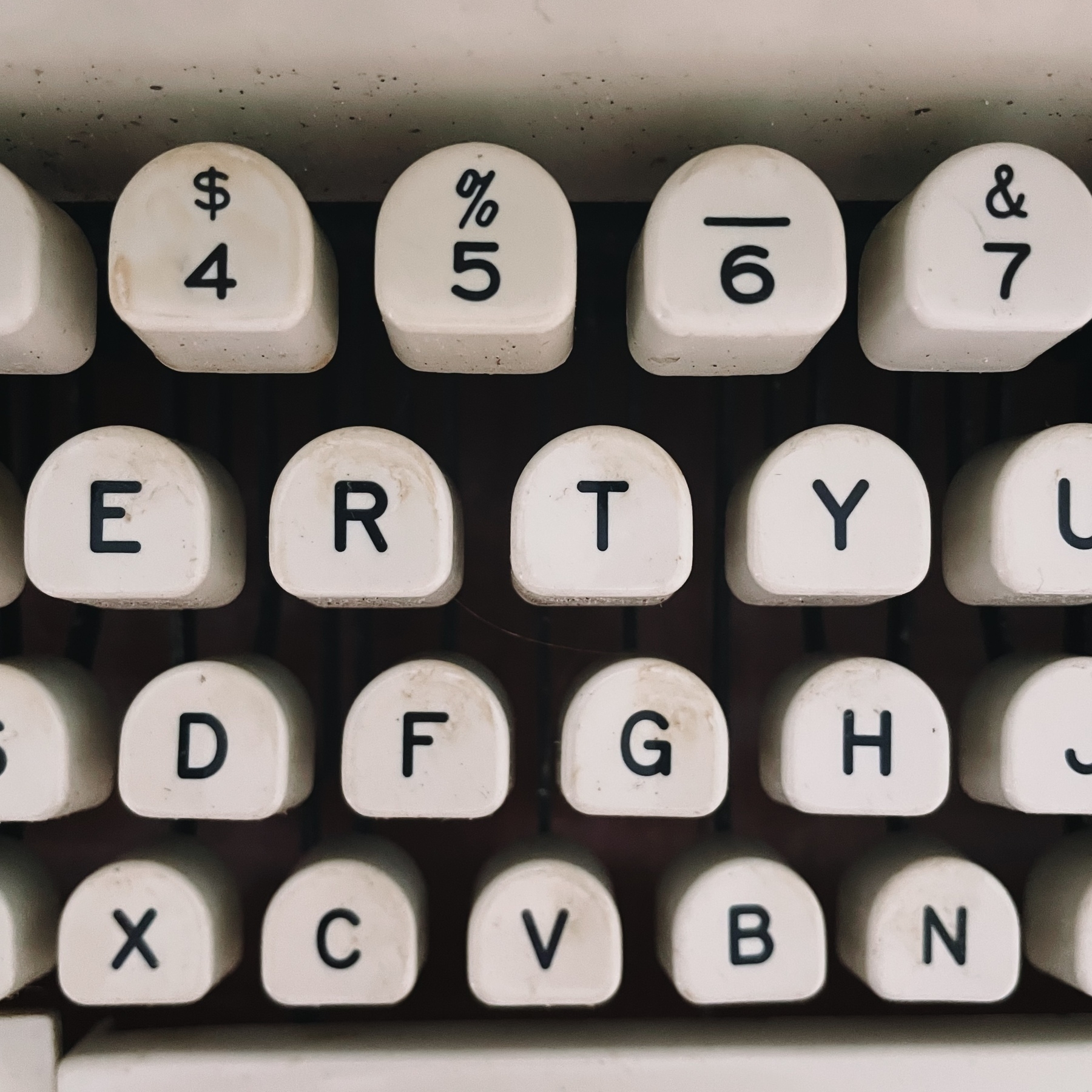
My dad randomly asked me if I wanted the typewriter my grandparents bought him when he graduated college. He used it in seminary and his first call. Uh, YES! So I now have a Royal Safari manual typewriter. Seems to work well. Just need a new ribbon.
Watched the entire Cubs game today… 8 home runs. This team is fun to watch. Can’t wait to see them in person later this month.
Watching Cubs v. Cardinals on Apple’s Friday Night Baseball, which is actually on Friday afternoon for July 4. PCA with a great diving catch in the first inning. ⚾️
We’ve reached the part of summer break where one of my kids has decided they want to learn how to make bread.