I know we are a women’s basketball school, but the South Carolina men’s team just beat Notre Dame to remain undefeated on the season. These guys are really good. We’ll see how they do in the SEC once conference play starts.
I know we are a women’s basketball school, but the South Carolina men’s team just beat Notre Dame to remain undefeated on the season. These guys are really good. We’ll see how they do in the SEC once conference play starts.
This NY Times articles on the changing nature of the American workplace took an unexpected turn:
In an ironic twist, other workers are now also finding themselves nostalgic for the age of the cubicle.
Not sure about that. As someone who recently moved from a cubicle to an actual office with walls, a door and windows, I can honestly say that I don’t miss my old desk. That said, the article is an interesting read on the changing nature of the office after the pandemic.
SC defeats Mississippi Valley State 101-19. I knew this year’s South Carolina Women’s Basketball team could score, but holding any team to 19 points in an entire game is an impressive defensive performance.
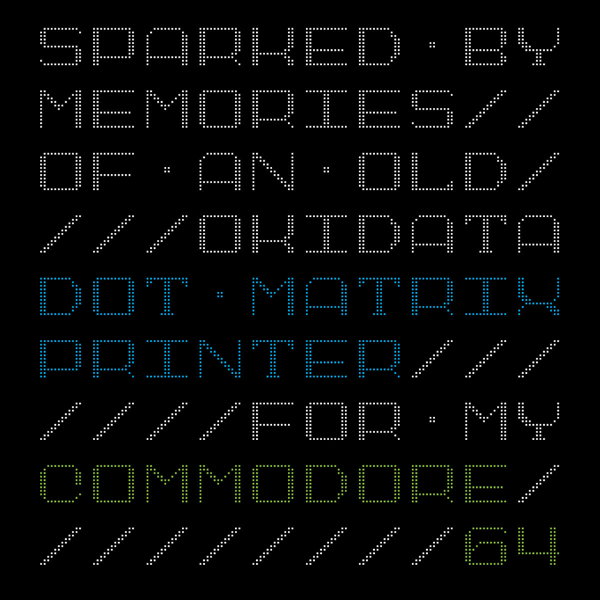
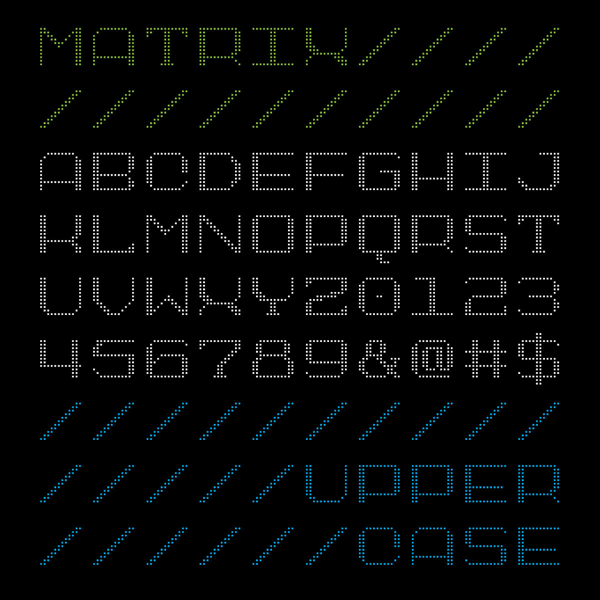
Had some downtime today and built a quick monospace “pixel” font over at Fontstruct. It’s still a work in progress, but you can download it.


This year, I’m thankful for all of the alternatives to Twitter.
Leaving the office for Thanksgiving break. And I will be thankful on Monday that I left myself a detailed to-do list of everything I need to knock out next week so I can hit the ground running.
Years ago, I had a professor who discouraged the use of “non-profit” and preferred “not-for-profit.” Her logic was that the goal of a not-for-profit organization was the mission, not the profits. But that didn’t mean there weren’t profits. Most large non-profits are, indeed, profitable.
I’ve been involved in many non-profits over the years. And many of the boards I’ve been a part of try to run the non-profit like a for-profit businesses. The tension between fulfilling the mission and keeping the lights on is real, and the only background most of us have is rooted in business.
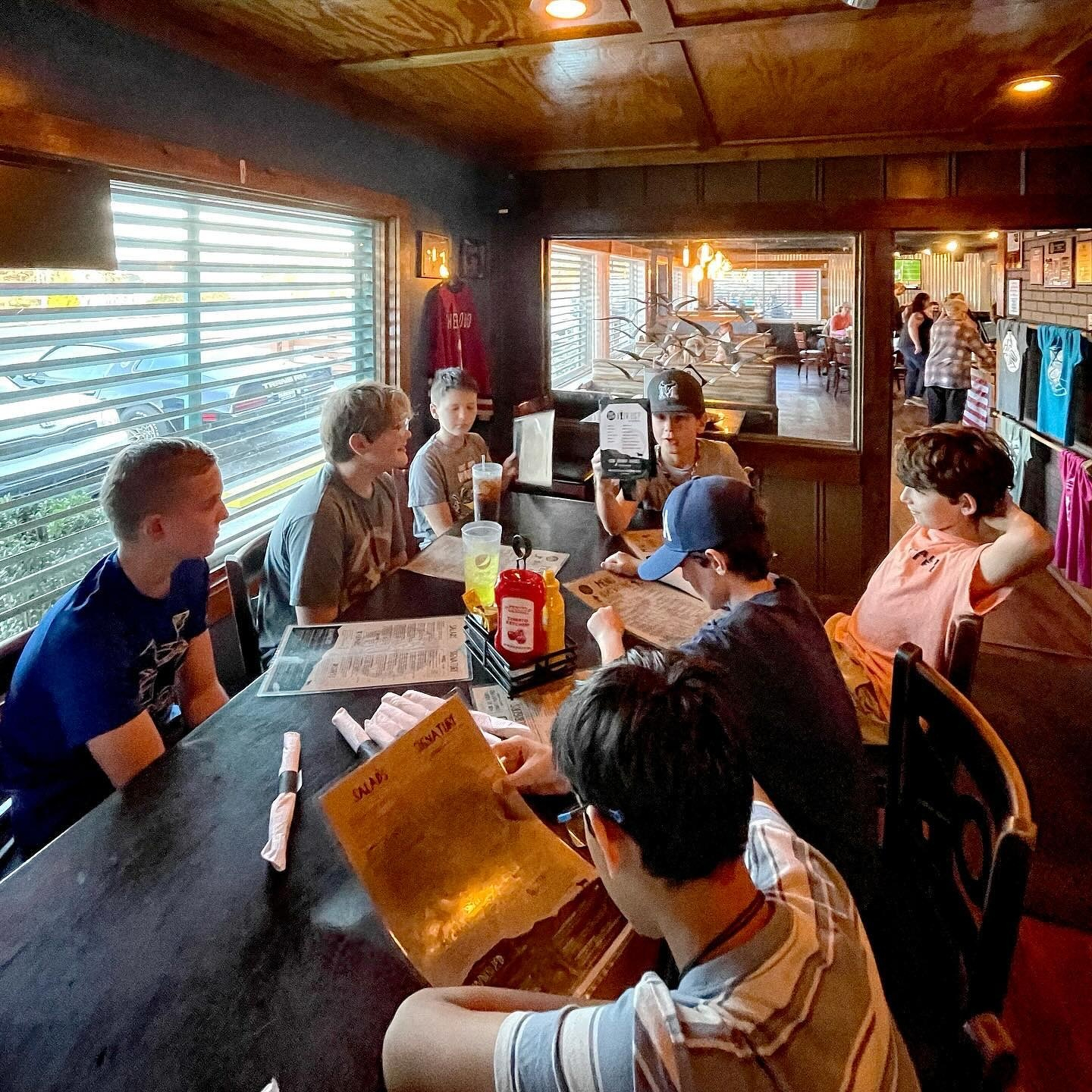
We took Ryan and six of his friends to dinner to celebrate his birthday a little early.
I watched the most insane high school football playoff game last night. The final score was 68-53. The running back on the losing team was essentially unstoppable and had eight touchdowns and 306 yards rushing. My nephew’s team just kept scoring, though. On to the next round of the playoffs.

Completed: All Souls Lost by Dan Moren 📚 Fun paranormal detective story with side of tech. Great work, @dmoren@zeppelin.flights. I hope to see more of these characters.
We’ve reached the point in the fall in South Carolina when it’s cold in the morning and warm in the afternoon… which also means that my son leaves his jacket at school in the afternoon, and doesn’t have it when he needs it the next morning. 🤦♂️
South Carolina Women’s Basketball starts the season by dropping 100 and 114 on Top 25 competition. They lost their entire starting lineup to graduation last year including the WNBA Rookie of the Year… and somehow got better offensively?
Over a decade ago, some Petsmart employee typed my name into their system as “Bub.” So every time I go to check out, the well-trained cashier enthusiastically greets me by name: “Welcome back, Bub!” And I start laughing.
(They’ve offered to change it, but I won’t let them.)
I think one of the reasons I’m skeptical about generative AI is that every other thing the VC-obsessed tech world has been hyped about for the last decade or so has been underwhelming.
South Carolina’s new look women’s basketball team looks ready to pick up where the last team left off.
Social media was misnamed. We should have called it “comment media.” People are more interested in sharing their take than building relationships.
Took today off to work on some classwork and recover from the chaos over the past couple of weeks.
I watched tonight’s Apple event and followed commentary on Threads and Micro.Blog (where I follow some Mastodon users). No Twitter, and you know what… I didn’t miss it. Live events were the last place that I felt like I needed to log into Twitter for extra info. Guess I’m over that.
I’m reading some PR readings for class and the acronyms keep tripping me up. To me, CSR is “customer service representative,” not “corporate social responsibility.” Likewise, I read CSA as “community-supported agriculture” and not “corporate social advocacy.”