📷 March Photo Challenge #14. Horizon. View from my office on the 7th floor, overcast. Columbia, SC.
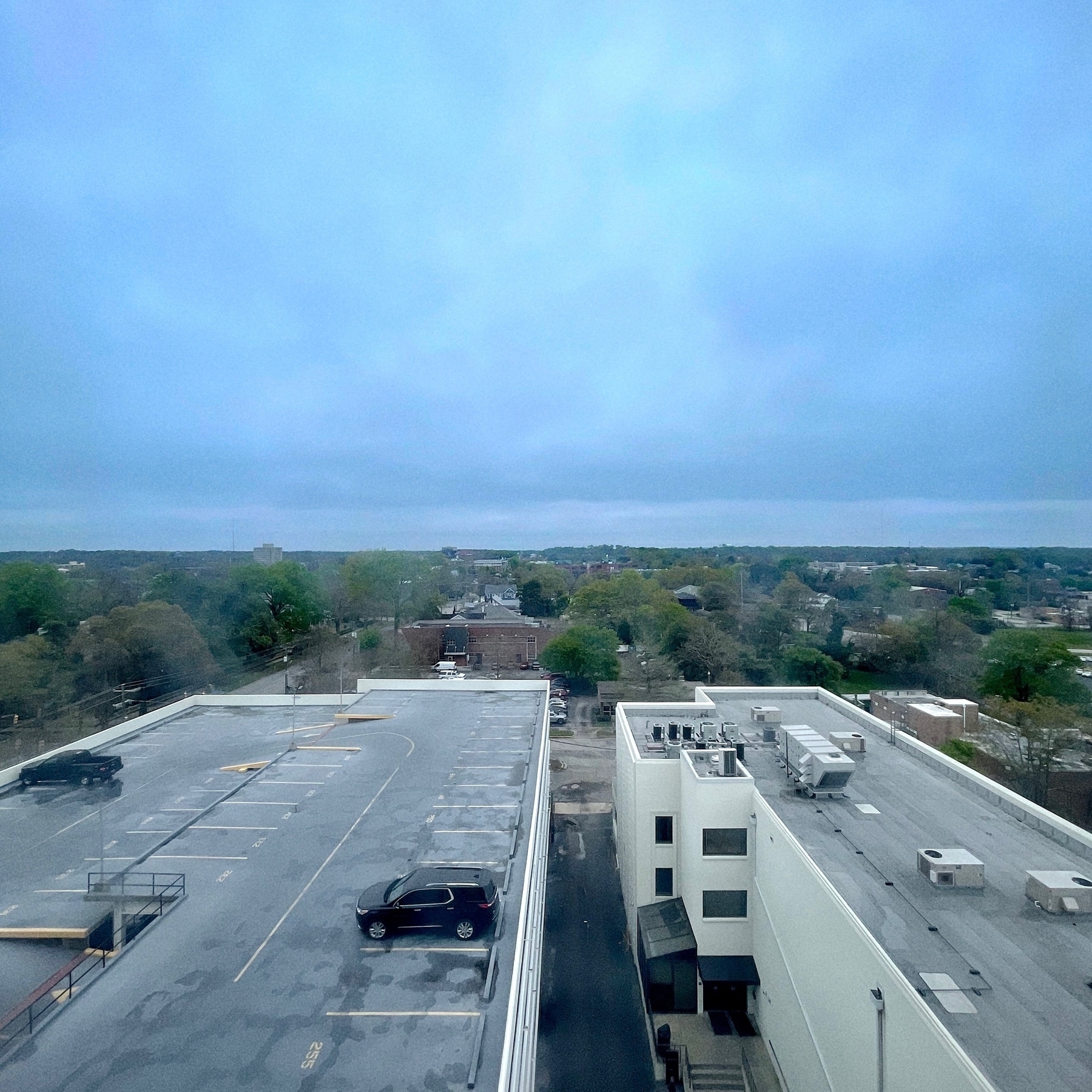
📷 March Photo Challenge #14. Horizon. View from my office on the 7th floor, overcast. Columbia, SC.
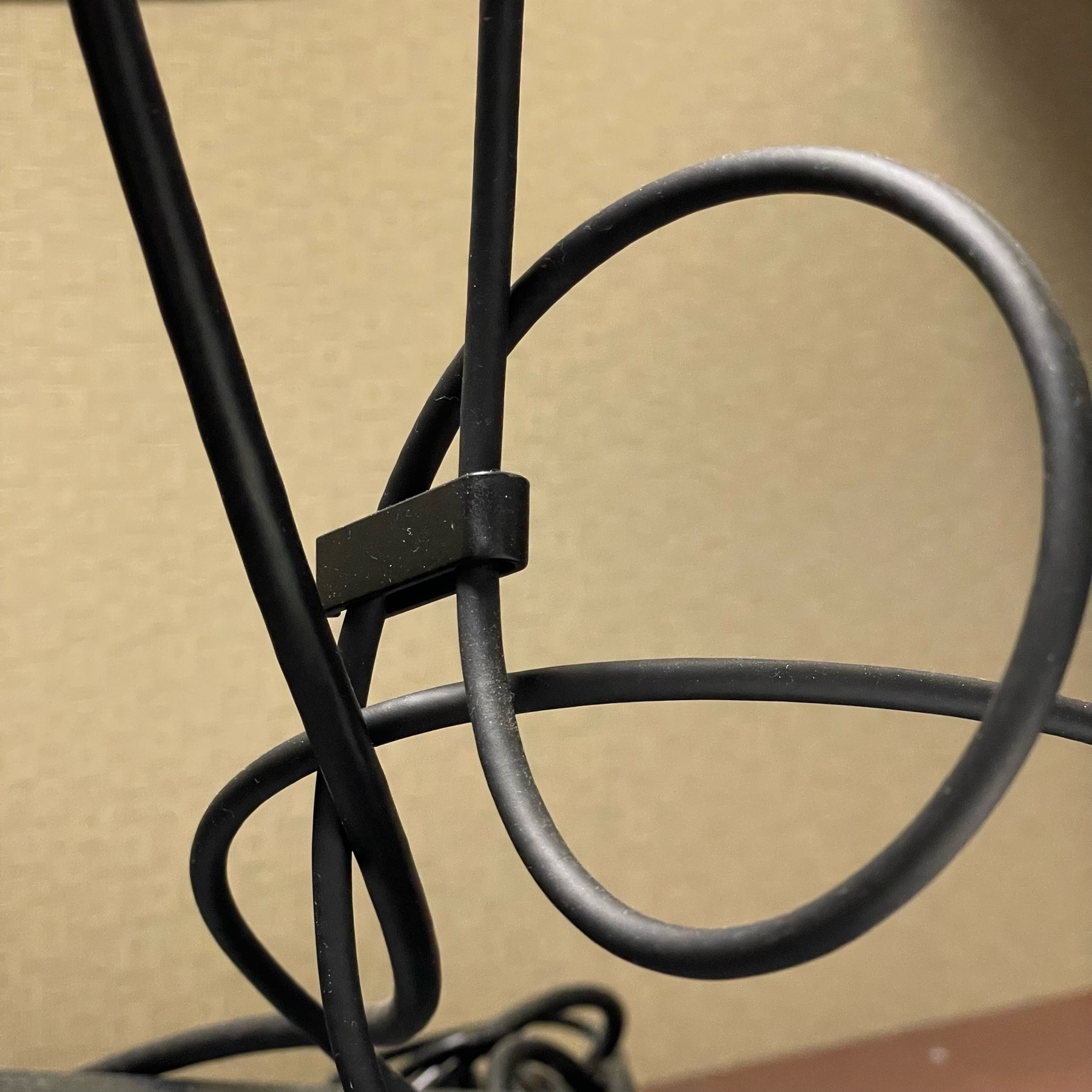
📷 March Photo Challenge #13. Connection. Monitor Cables. Columbia, SC.
My iPhone case is starting to fall apart, so I’m going to go case-less for a little while and see if I can get used to it. (Or more precisely, see if I can get over the feeling that I’m going to shatter the glass.)
One nice side effect of the Micro.Blog March Photoblogging Challenge… I’m taking more pictures… not just for the challenge. I’d gotten out of the rhythm of shooting for fun and posting a photo every day has sparked that habit again.
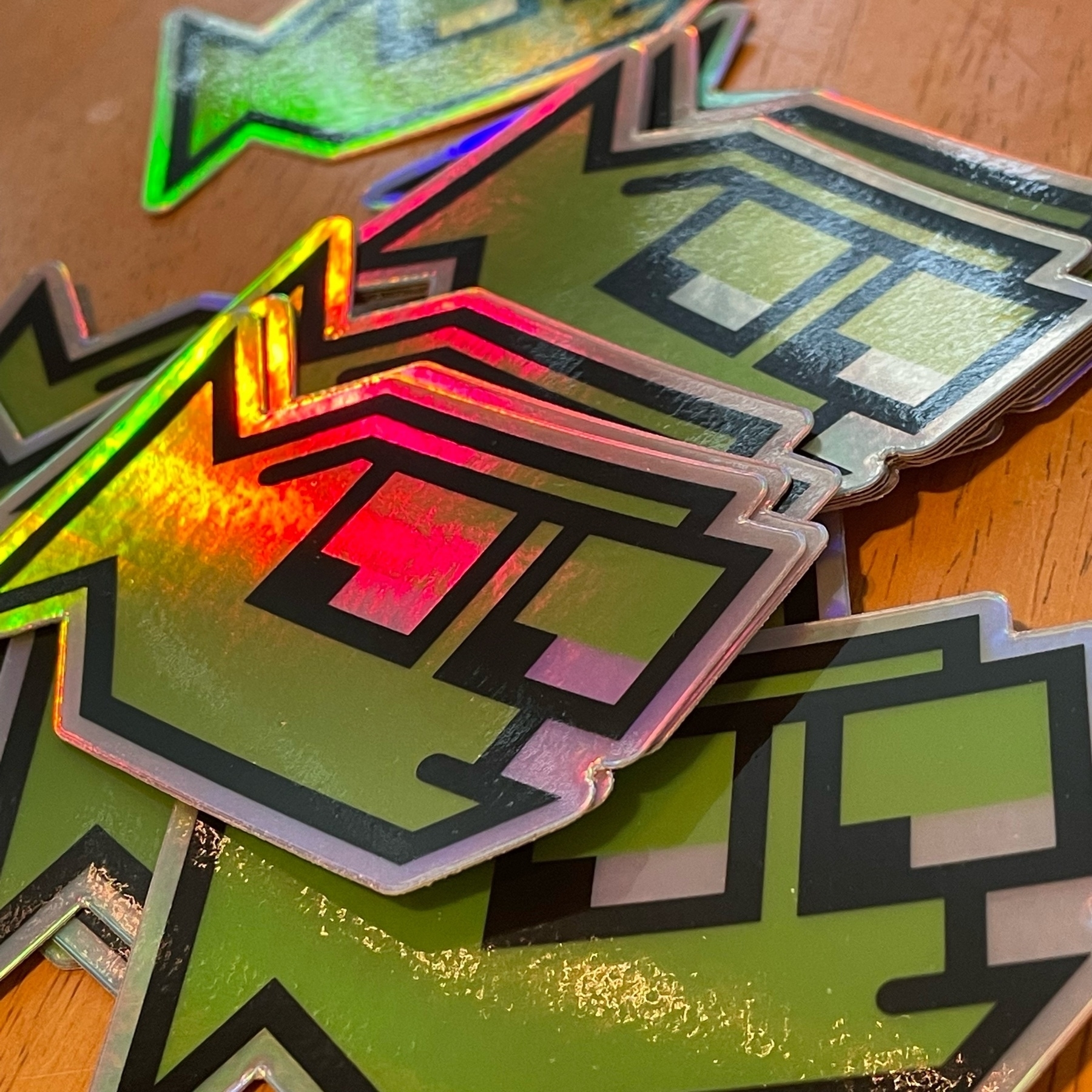
📷 March Photo Challenge #12. Shiny. “Holographic” fish stickers from Sticker Mule. Columbia, SC.
When I first moved my blogging over to Micro.Blog, I struggled with the perceived rigidity of the navigation. It took me a little time to refine it, but I eventually figured it out. I’ve had a couple of people ask about my solution, so I figured I’d share a quick summary of how I set it up my navigation.
It shouldn’t matter what theme you are using, but for my site, I use the Pure plug in, which is a good foundation to build from. By default, the template presents a home page that includes all of your posts. Instead, I wanted to have different links in my navigation for my longer “blog” posts and my shorter “tweet-like” status posts.
It’s actually pretty easy to do, but it takes a few steps.
Create the categories you want. I created two categories: Quick Updates and Long Posts. You can create as many categories or group them differently, but this worked for me.
Set up filters. Filters will automatically apply categories based on different parameters. Click the “Edit Filters” button beneath the list of categories. I set up two filters. One that sorted untitled posts into my “Quick Thoughts” category and a second that grouped together all of my long posts with titles. This way, my posts are automatically grouped into one of the two categories. In the screenshot below, I used the “Post Length” setting.
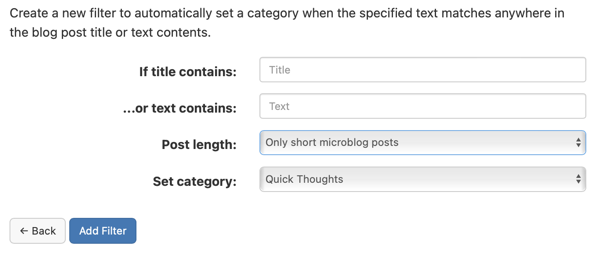
Determine the URL for each category. Each category in Micro.Blog has a URL, typically formatted as http://DOMAIN-NAME/categories/CATEGORY-NAME. Find the URLs for each of the categories you want in the navigation.
Create a new page. Name the page and then paste the category URL into the content box. Make sure “Include this page in your blog navigation” is checked. Repeat for all of your categories. You’ll then have a navigation item for each of your categories.
This technique works really well when paired with the Custom Home Page plug in. You can see the result in the navigation on my site. I know that I could do this by building a custom template. At some point, maybe I will. But right now, I’d like to keep it as simple as I can, and this works really well for me.
Bob Wertz is a creative director, type designer, Ph.D. student and researcher living in Columbia, South Carolina.
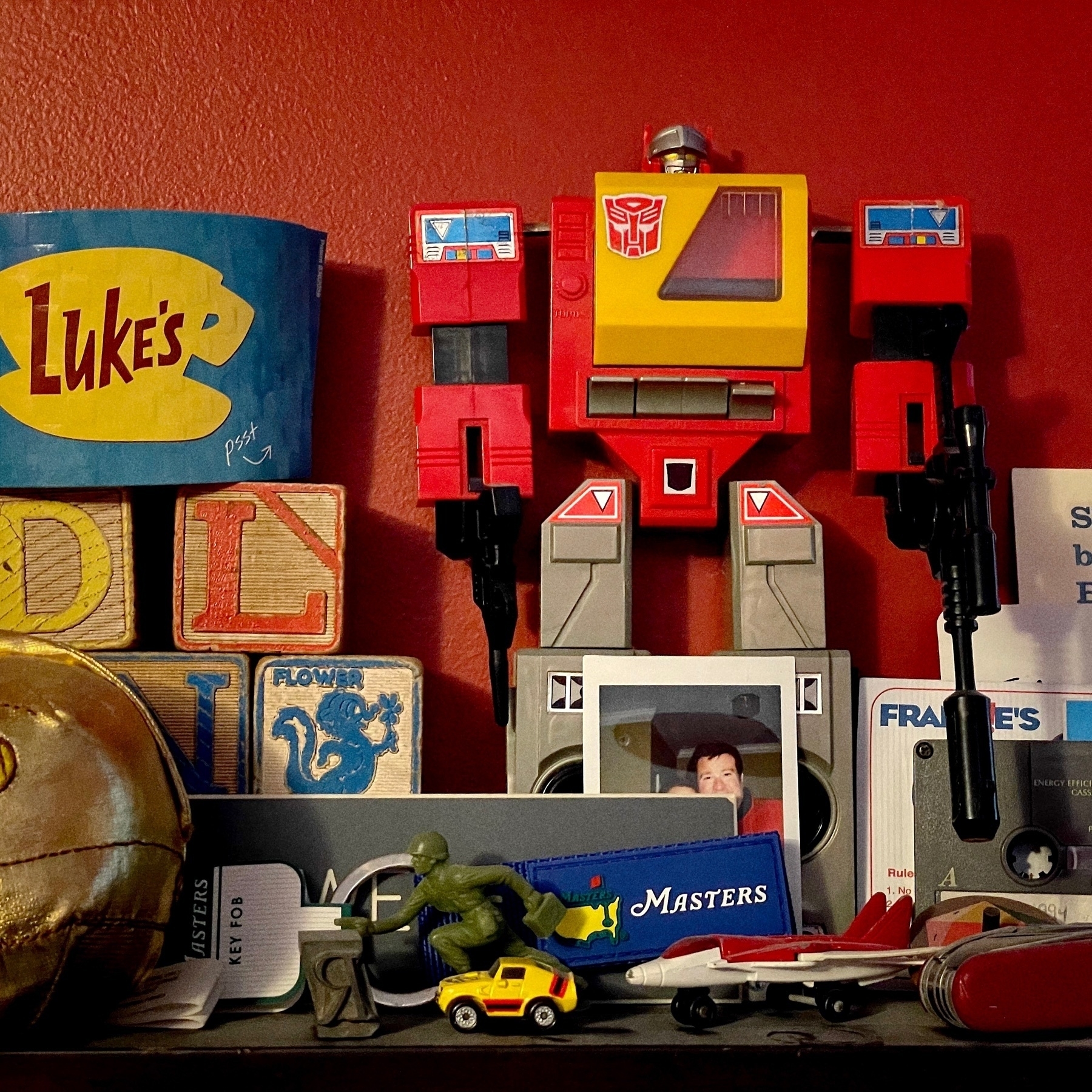
📷 March Photo Challenge #11. Gimcrack. My home office knick knack shelf needs dusting. (I had to look up “Gimcrack,” so hopefully I got it right.) Columbia, SC.
Adventures in algorithms: My daughter shared a link to a prom dress she liked. I clicked on it. Now, Instagram is serving me prom dress content.
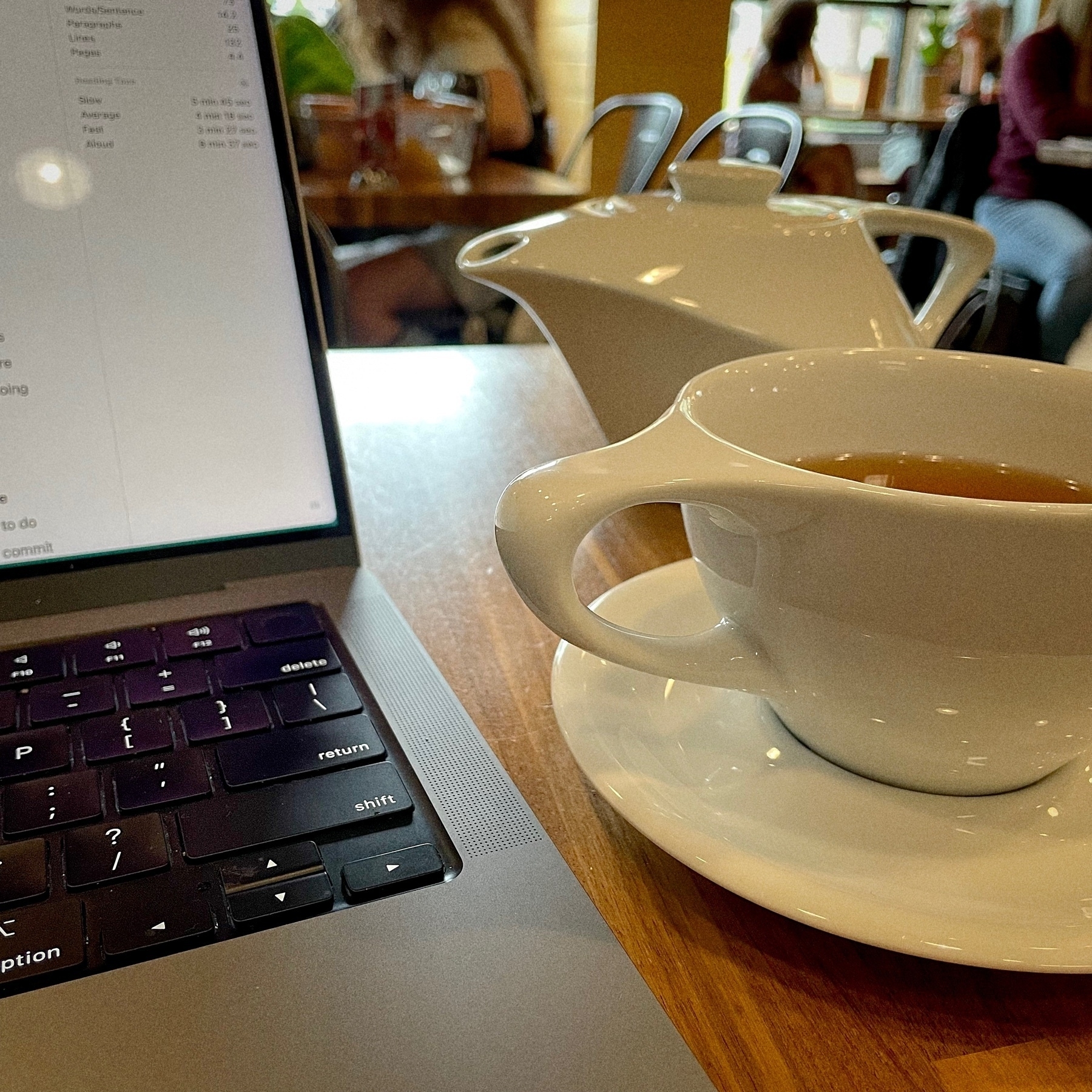
📷 March Photo Challenge #10. Ritual. I love that my favorite local coffee shop gives me a teapot and mug when I order hot tea. Gets me in the right frame of mind for writing. Loveland Coffee. Irmo, SC.
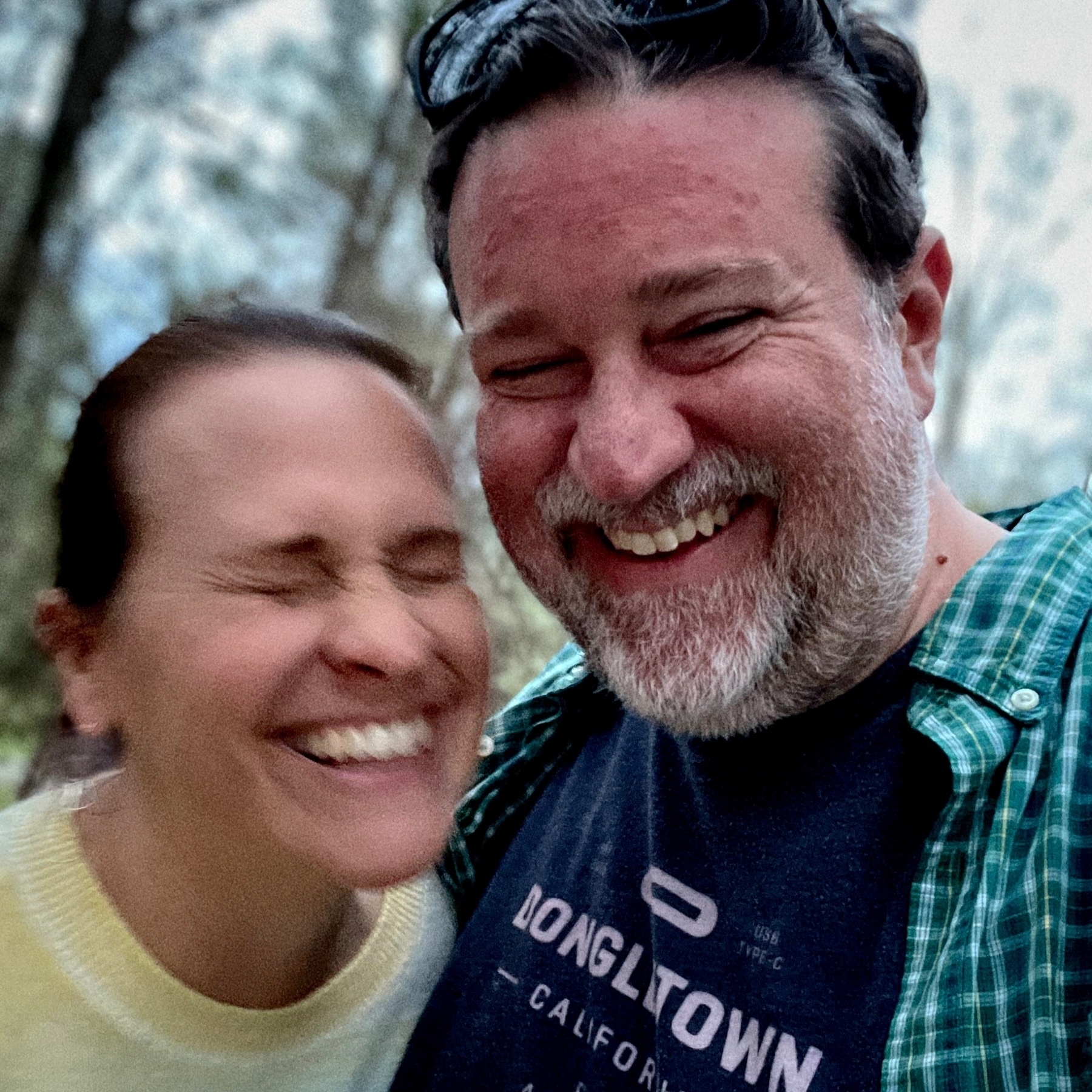
📷 March Photo Challenge #9: Together. Our son’s lacrosse practice means we get to walk together. Crooked Creek Park. Chapin, SC.
Library.

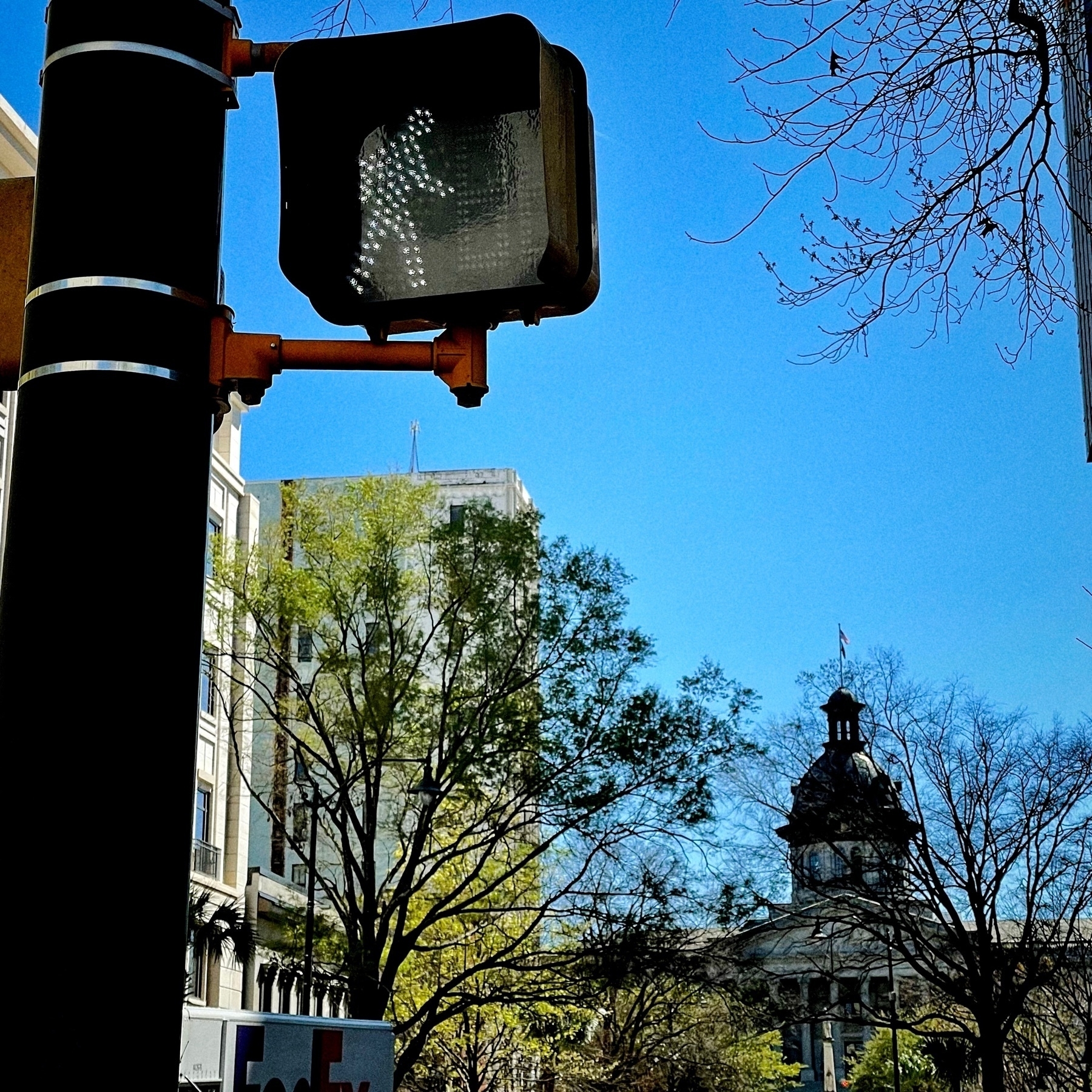
📷 March Photo Challenge #8. Walk. Lunchtime stroll at the SC Statehouse. Columbia, SC.
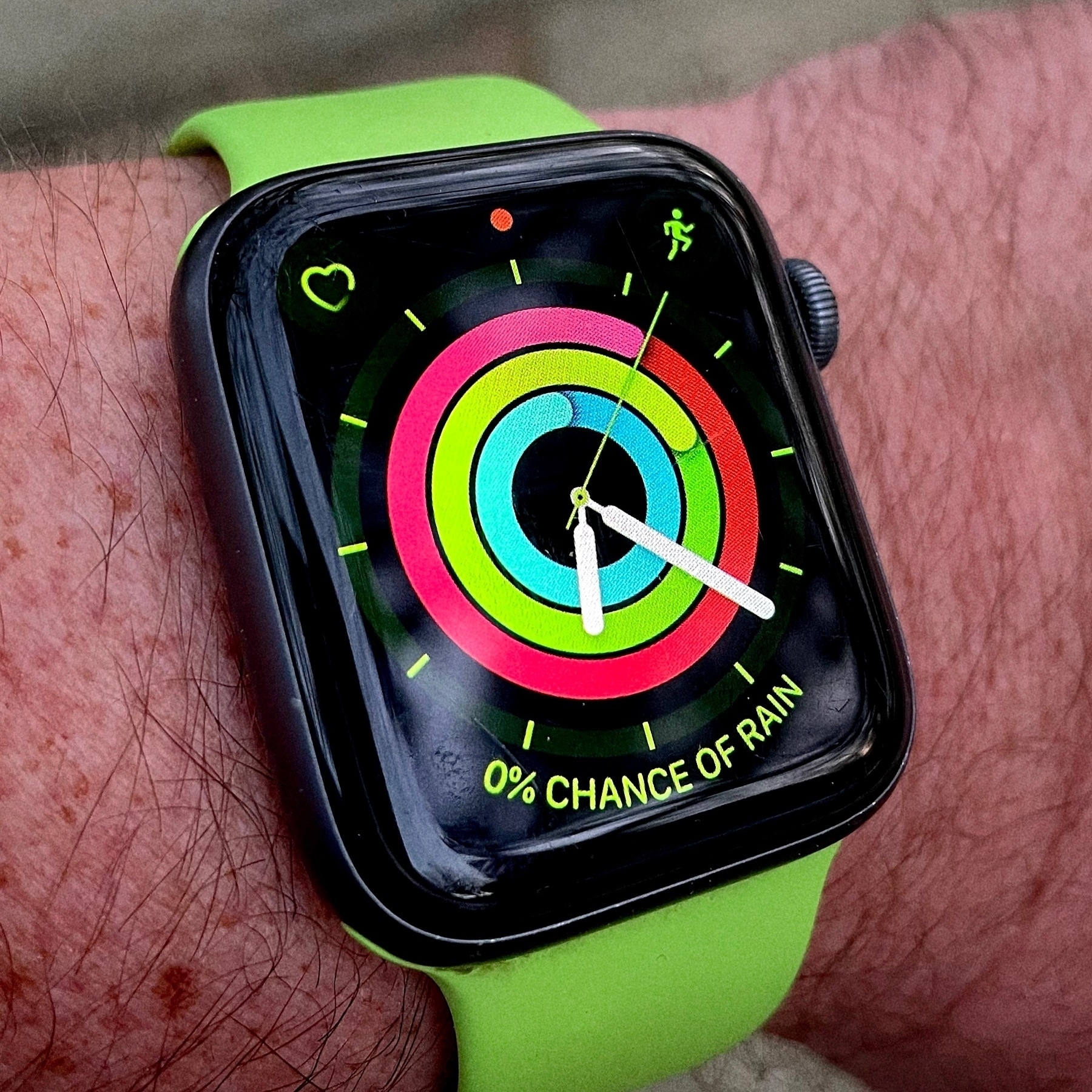
📷 March Photo Challenge #7: Whole. Rings closed. Crooked Creek Park. Chapin, SC.
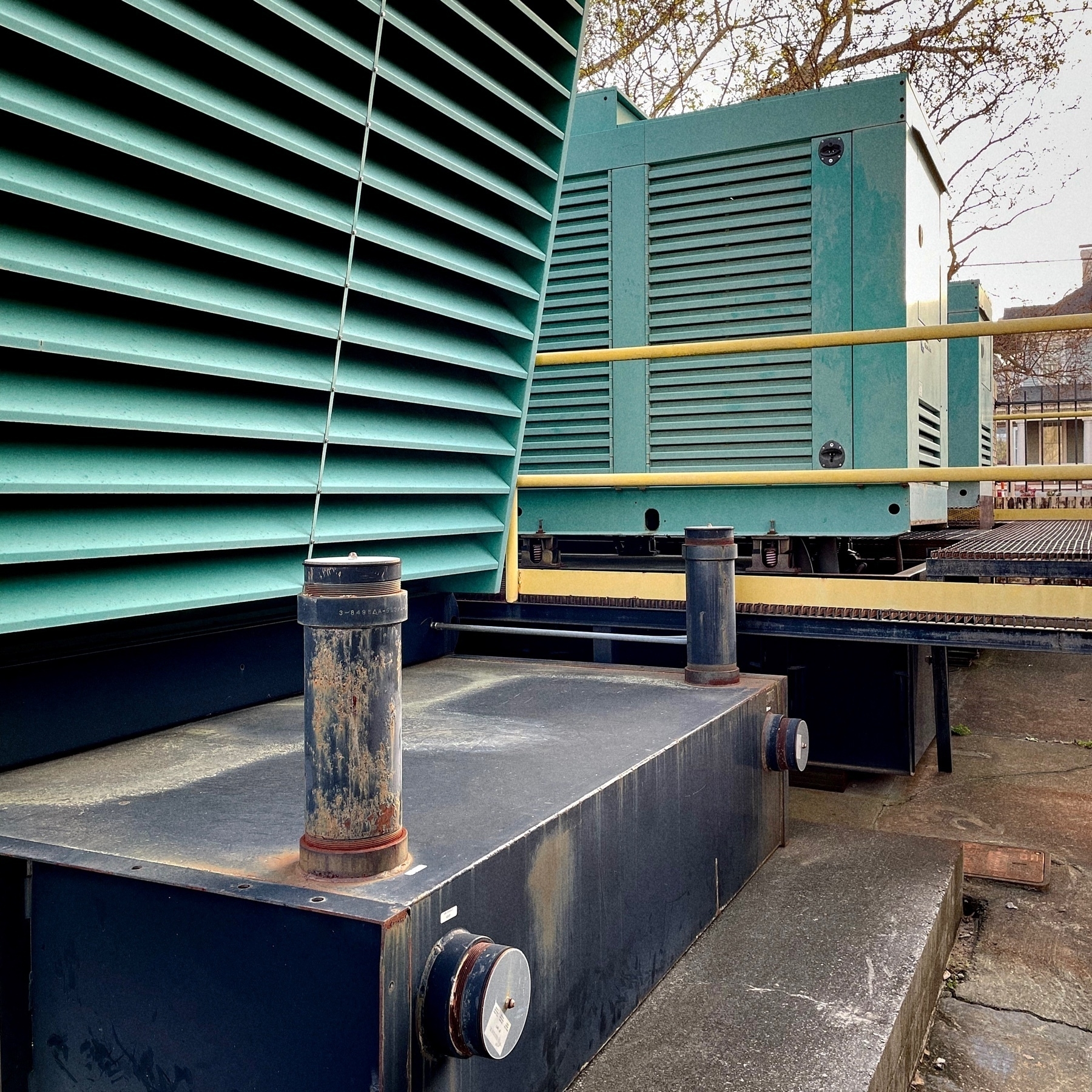
📷 March Photo Challenge #6: Engineering. Backup generators. Columbia, SC.
It’s rare to see a thoughtful discussion of the U.S. National Debt. This interactive story from the New York Times dives into what it would take to balance the budget, and why it’s easier said than done.
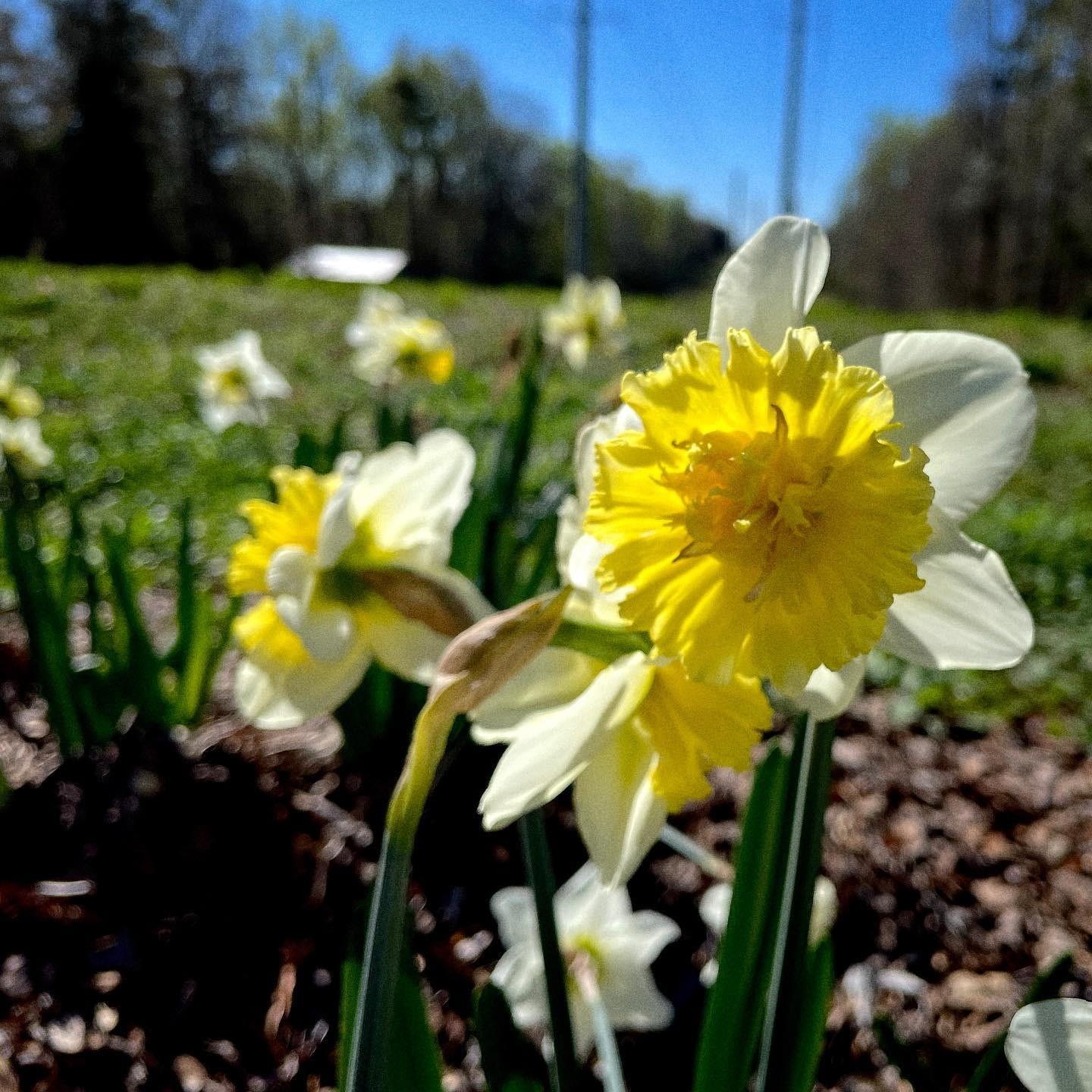
Daffodils on our walk this morning.
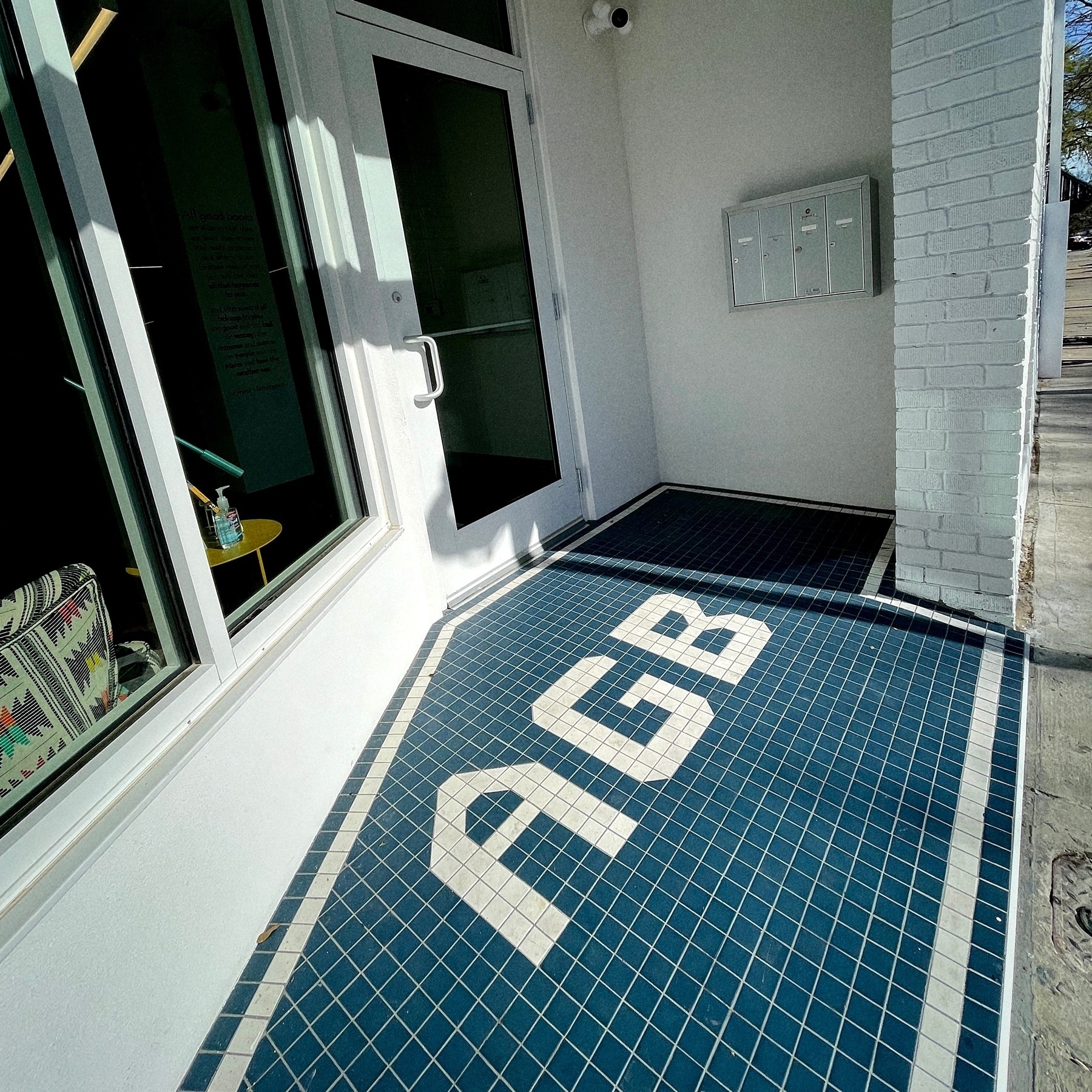
📷 March Photo Challenge #5: Tile. The entrance to the new independent bookstore, All Good Books, in Five Points. Columbia, SC.
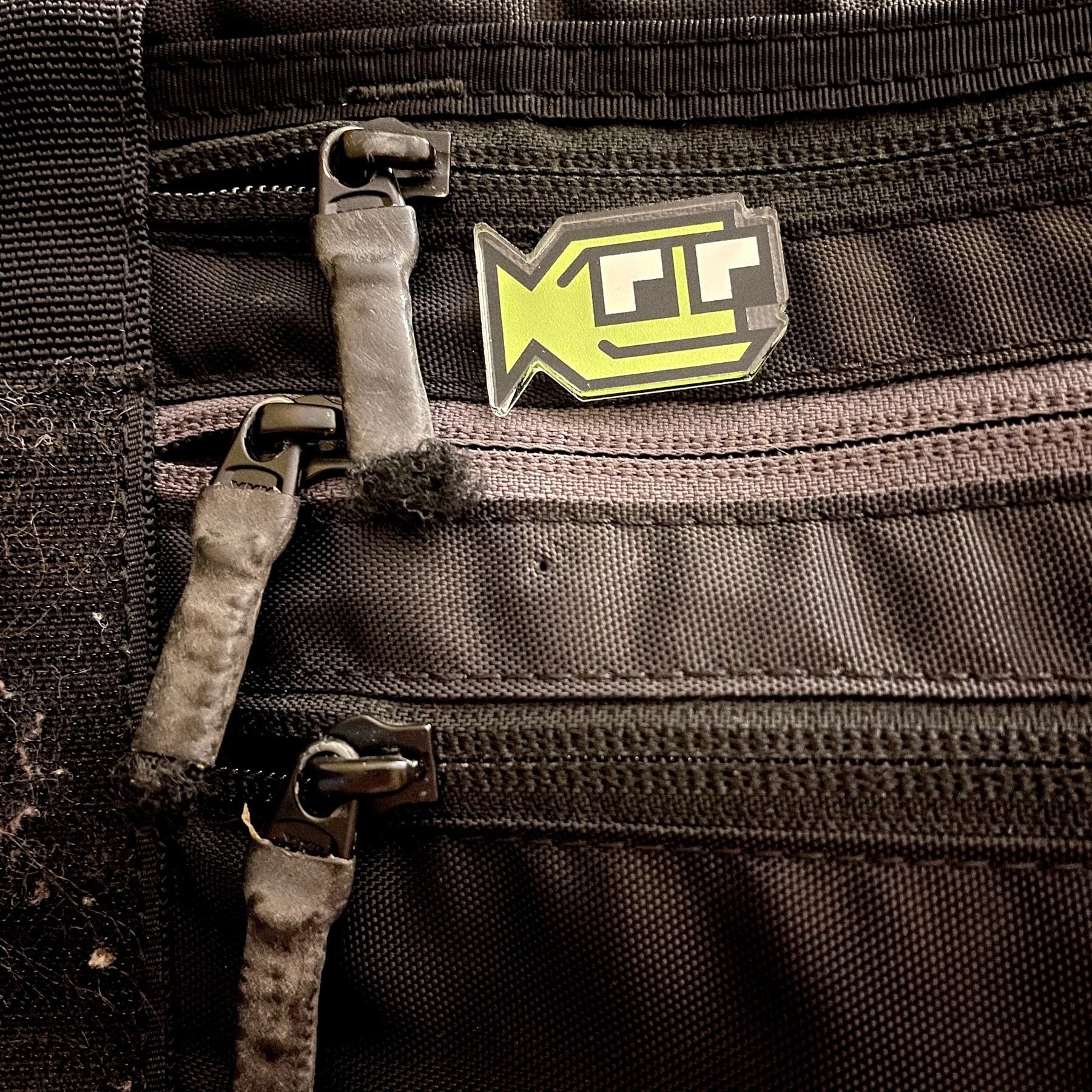
📷 March Photo Challenge #4: Zip. The accessory pockets on my 10-year-old custom Timbuk2 messenger bag. Columbia, SC.
Another shot from All Good Books.
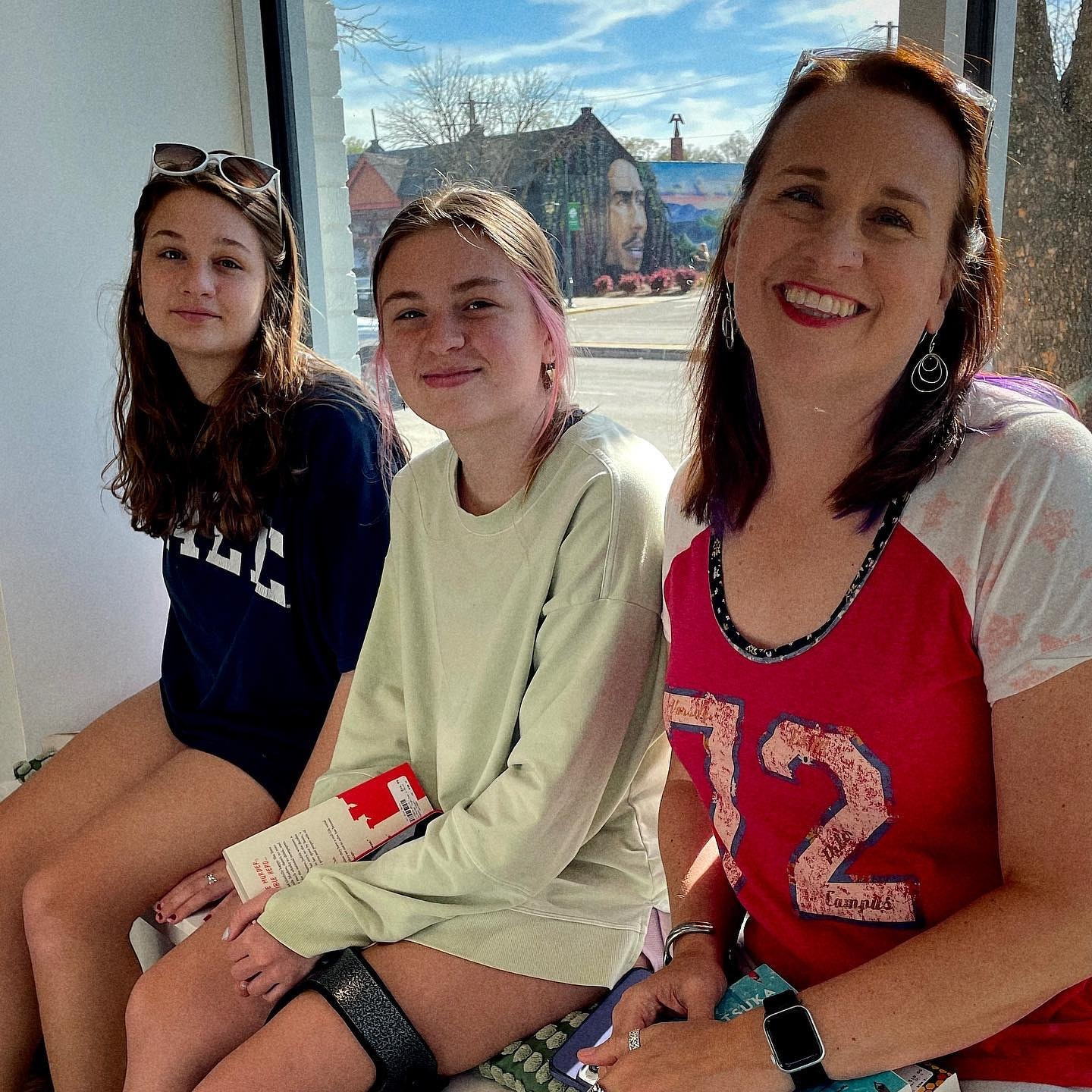
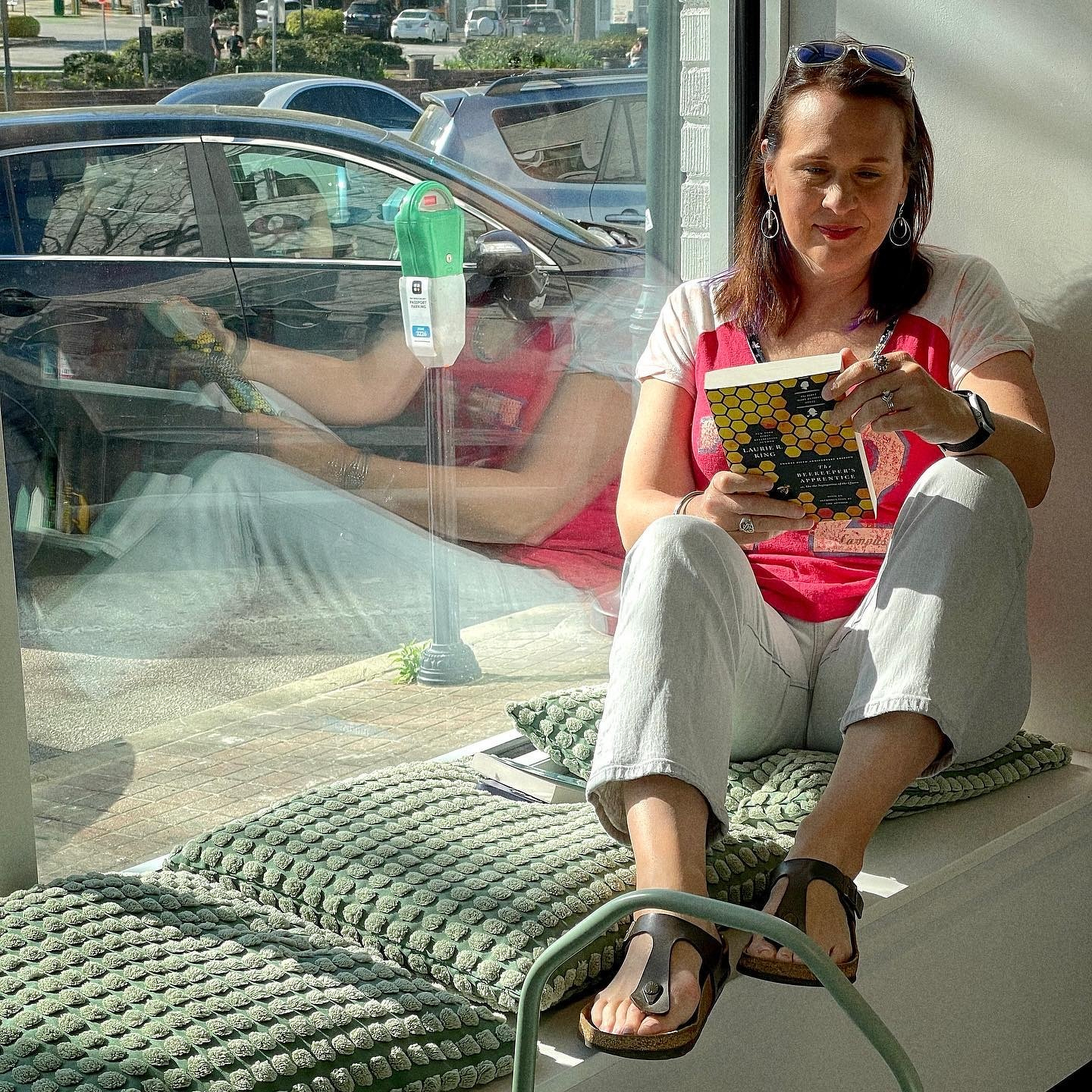
Liz found a spot in the new All Good Books in Five Points.