Litho Stones

This post was originally posted on January 13, 2013 on Sketchbook B. It’s reposted here as part of a project to move some of my favorite writing to my new site.


After my dad retired, he got into antiques. Knowing my love for type, design and printing, he’s always on the look out for something unique. Over the years, he’s found a bunch of great wood and metal type, type drawers and other printing materials.

A 100-year-old litho stone. The logo for Carlisle and Co., a San Francisco printer. Note the name of the company in the feathers.

A 100-year-old litho stone. The logo for Carlisle and Co., a San Francisco printer. Note the name of the company in the feathers.

Before Christmas, he sent me an email that he had purchased my Christmas present, but wasn’t sure exactly what it was. The auction listed the lot as “printing stones” and no one really knew anything about them. He had one for me, but to get it, he had to buy the entire lot. 11 stones in all.

I knew immediately that he had litho stones. But I wasn’t prepared for how remarkable they were. (If you don’t know about stone lithography, here’s some background.)

Each block is limestone and about 10 x 12 inches and about 2.5 inches deep. They weigh around 30 lbs. each. They are marked on the side with a red identification number.

My Christmas present had a large Native American illustration on one side and stock certificates on the other side.

A side view of one of the stones with a reference number. Two litho stones, side one. Two litho stones, side two.

I didn’t see it at first, but the feathers of the head dress spell the name “Carlisle and Co.” A quick Google search and I was able to find A. Carlisle and Co., a printer still in operation and currently located in Reno. Thanks to a corporate history published on their 100th anniversary in 1953, I was able to find out a lot about the company, the Indian and the stones.

The corporate history, A. Carlisle and Company: The First Hundred Years is an amazing look at the history of printing, detailing the process with lots of photos of old equipment. It’s been scanned and made available through the University of California. If you are interested in printing or design, check it out.

I’m going to try to research the other stones. I’ve actually only seen 2 of the 11 stones. They are an interesting snapshot of the growth of industry in California at the turn of the century. I’ll post pictures and background on them here as soon as I can catalog them all.

Interested spelling.

Carpet

More doctor’s office decor.

Wall decorations at the doctor’s office.

Lamp overhead.

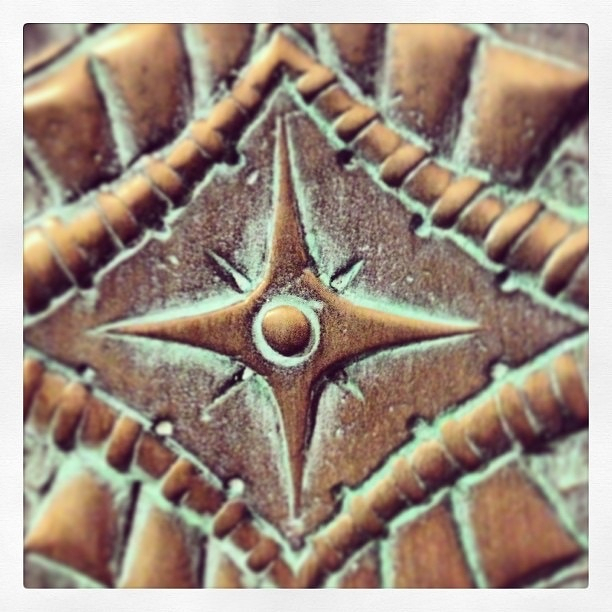
Bricks

Floor.

Wood paneling.

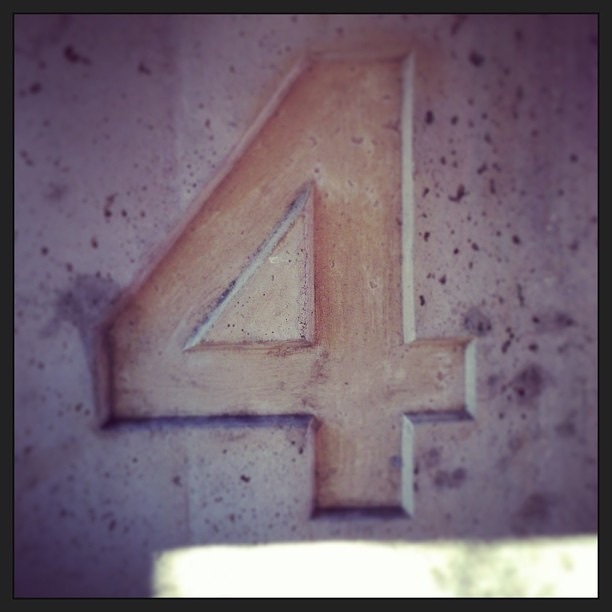
Marking on the side of the stone. Well worn, but clearly an E.

Opposite side of the litho stone.

Lithography stone. Circa 1920.

READY FOR TURKEY!!!!!

People already camped out at Best Buy. Crazy…

Found a small bag of these Zoo Valdes/AIGA SC “Vote” from 4 years ago. Go vote today!

A whole lot of InShow cubes.

Building Blocks

This post was originally posted on November 5, 2012 on Sketchbook B. It’s reposted here as part of a project to move some of my favorite writing to my new site.


Laser cut InShow logo

AIGA South Carolina’s InShow design awards were held last weekend. The award is always a cube — constructed from a different material every year.

I’ve been involved in the design and assembly of cubes in the past, designing the junction box cube in 2008 and helping with the pillow cubes last year. So I was really excited to design this year’s InShow cubes.

Maria Fabrizo was creating the supporting materials and was taking a rustic approach. Over the years, I’ve created a small collection of rejected cube prototypes. One prototype that I had experimented with previously was a wood block, made from a 6x6 timber cut into cubes. It seemed like a perfect fit for the theme.

I looked at a couple of different ways to add the logo and winner’s information to the blocks and settled on a plan to fabricate face plates and bolt them onto the solid blocks of wood.

The face plate — laser cut and engraved.

I used Ponoko to laser cut and engrave the face plates, cutting the InShow logo into a sheet of bamboo plywood. And the cutting and engraving were done at one time so personalization was really easy.

Ponoko is a really interesting service — just upload an EPS file and they cut your design into a material of your choice. And they provided great service and support. (I’ve used Ponoko before. See my 2009 blog post about building a book shelf with their service.)

Once we got the face plates, we just had to screw them onto the cubes. Brynley Farr from ByFarr Design was able to get some awesome remnant wood from Southland Log Homes and had it cut into cubes. In all, we assembled almost 70 cubes.

The face plates were screwed onto a solid block of wood. Check out the awesome wood grain on the side.

On the best of show and the special judges awards, the background of the InShow logos were painted — red for best of show and gold for the special judges award. (Check out this blog post from Fuzzco who won 10 cubes including best of show.)

Fence

Carpet.

Long Meeting.